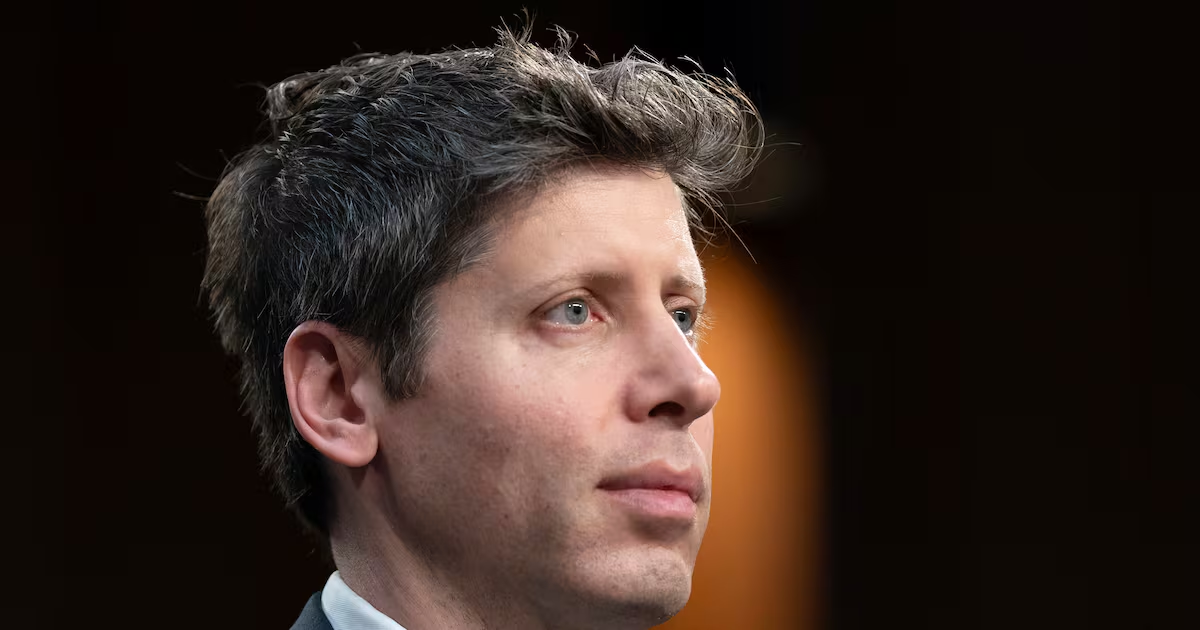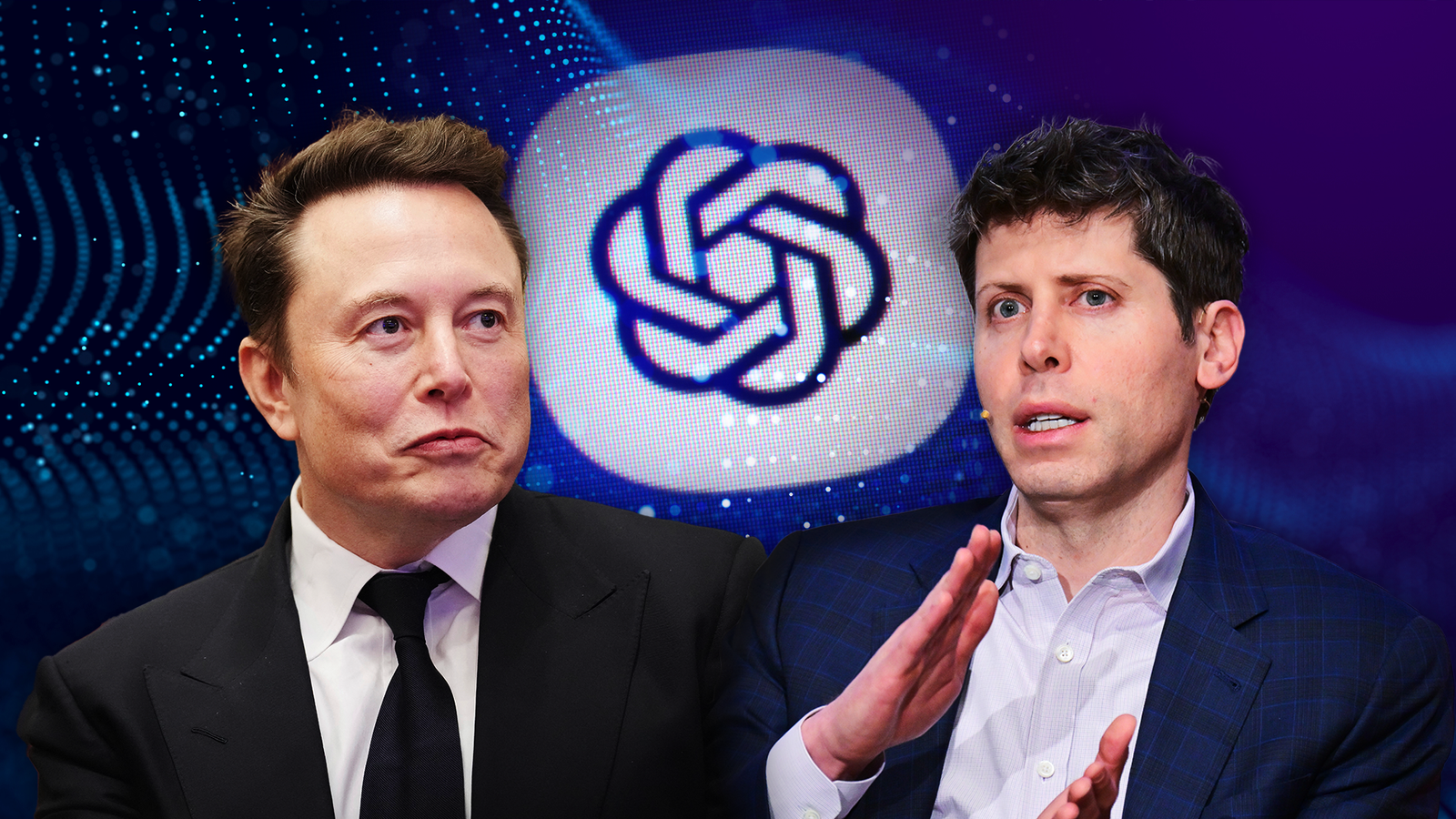
OAKLAND, CA — A federal jury has ruled decisively in favor of OpenAI and its CEO, Sam Altman, bringing a swift end to a bitter, high-stakes legal feud with billionaire Elon Musk.
Following a grueling three-week trial that laid bare the internal fractures of the artificial intelligence boom, the nine-member jury deliberated for less than two hours before finding Altman, OpenAI, and company president Greg Brockman not liable on all counts. Musk had sought a staggering $134 billion to $150 billion in damages, accusing his former partners of breaching a founding contract and “stealing a charity” to enrich themselves.
The Verdict: A Technical and Substantive Defeat
The culmination of the OpenAI Elon Musk lawsuit hinged primarily on a procedural, yet fatal, flaw in the plaintiff’s timing. The jury unanimously found that Musk failed to bring his legal claims within the three-year statute of limitations.
OpenAI’s legal team successfully demonstrated that Musk was fully aware of the startup’s transition toward a commercial, for-profit model as early as 2017—long before he filed suit in 2024. While the jury’s verdict acted in an advisory capacity, U.S. District Judge Yvonne Gonzalez Rogers immediately concurred with the panel’s findings, dismissing Musk’s claims on the spot.
“There is a substantial amount of evidence to support the jury’s finding, which is why I was prepared to dismiss on the spot,” Judge Gonzalez Rogers stated to Musk’s counsel following the announcement.
Inside the Trial: Altruism vs. Market Competition
The trial exposed years of private communications, emails, and text messages between Silicon Valley’s most powerful elites. Musk’s legal team framed the case as a classic battle of altruism versus corporate greed, arguing that Altman manipulated Musk into providing $38 million in early seed capital under the guise of an open-source, non-profit venture.
OpenAI countered that Musk’s litigation was a hypocritical, anticompetitive maneuver designed to sabotage a direct market rival to his own artificial intelligence startup, xAI.
Key Arguments & Trial Revelations
- The Statute of Limitations: OpenAI leveraged a 2020 tweet from Musk expressing concern over Microsoft “capturing” OpenAI to prove he recognized the for-profit shift years before the legal deadline.
- The Credibility War: Defense attorneys attacked Altman’s candor throughout the eleven days of testimony, while OpenAI pointed out Musk’s absences during the tail end of the trial to attend international executive summits.
- The Microsoft Pivot: Microsoft, a key investor that injected over $10 billion into OpenAI, welcomed the dismissal, clearing away a massive cloud of liability hanging over its commercial partnership.
| Trial Element | Plaintiff Position (Musk) | Defense Position (OpenAI / Altman) | Jury Outcome |
| Founding Agreement | Breach of charitable trust and non-profit mission | No permanent non-profit contract ever existed | Not Liable |
| Financial Damages | $134B–$150B clawback from for-profit arm | Suit was an anticompetitive corporate attack | Dismissed |
| Timing of Claim | Realized breach only after 2023 Microsoft deal | Aware of commercial structure since 2017 | Expired (Statute of Limitations) |
The Future Outlook: A Clear Runway for a $1 Trillion IPO
The resolution of the OpenAI Elon Musk lawsuit removes the single largest existential threat looming over the generative AI pioneer. By securing a total dismissal, OpenAI avoids a chaotic corporate restructuring that could have forced a dissolution of its commercial arm.
With the trial resolved, OpenAI now has an unobstructed pathway to pursue its highly anticipated public offering. Financial analysts predict the company could seek an IPO later this year at a historic valuation approaching $1 trillion.
Musk has already taken to his social media platform, X, to signal an incoming appeal, claiming the core issue of accountability remains unresolved. However, with Judge Gonzalez Rogers affirming that the factual evidence heavily favors the defense, legal experts suggest Musk faces a steep, uphill battle in the appellate courts.
Trendsetter Tribune