When an administration spends months threatening to blast an adversary “back to the Stone Ages,” a sudden shift toward a comprehensive diplomatic breakthrough catches everyone off guard.
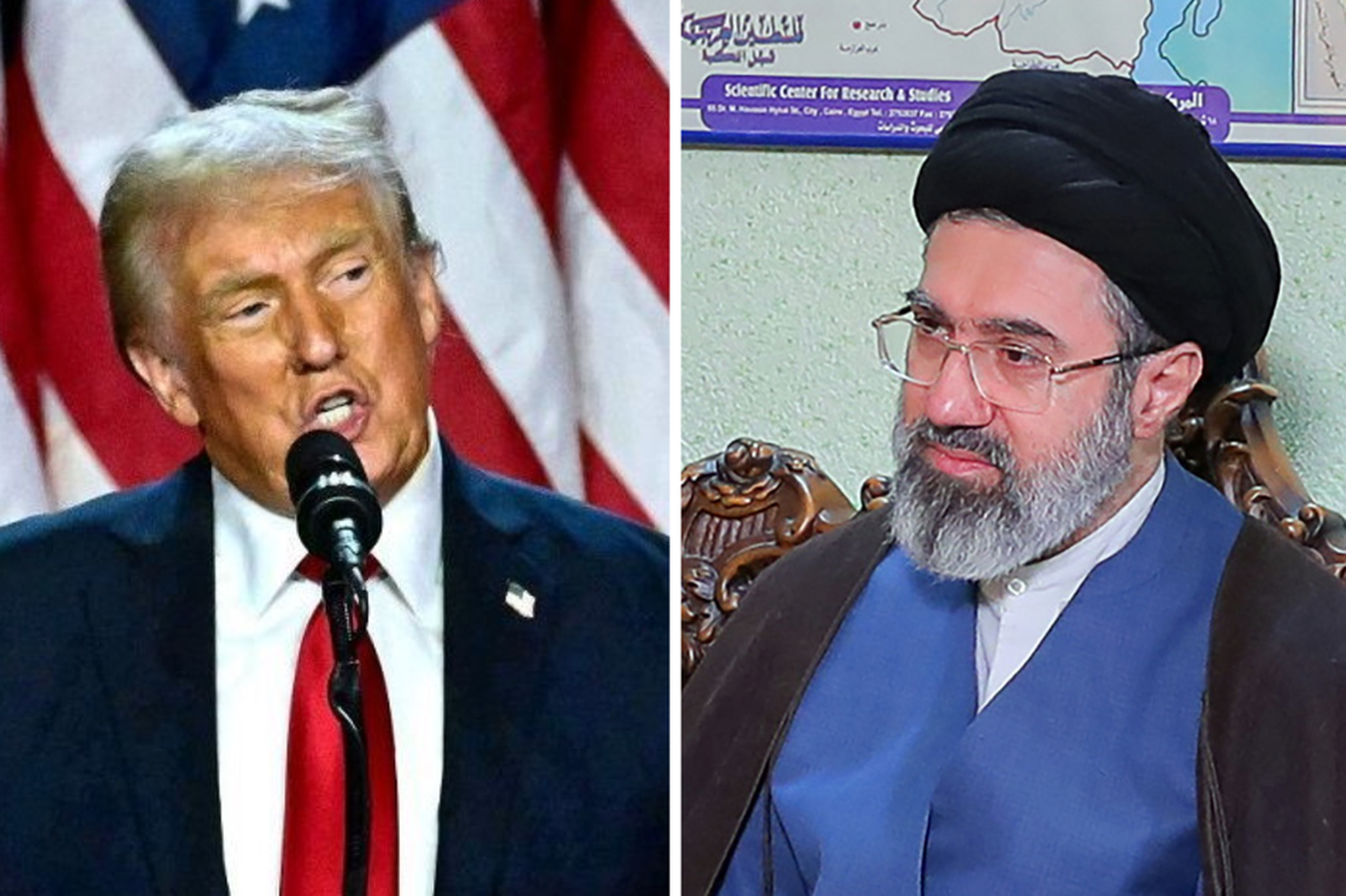
President Donald Trump turned to Truth Social this morning to announce that a sprawling, regional peace agreement with the Islamic Republic of Iran has been “largely negotiated.” The statement, issued directly from the Oval Office, signals a potential end to the monthslong, destructive war launched by the U.S. and Israel in February.
The core of the dynamic breakthrough hinges on a massive economic and strategic concession: the immediate reopening of the Strait of Hormuz. But while the White House is projecting a historic victory, senior diplomats and regional intelligence sources warn that the “final aspects” currently being hammered out are vulnerable to last-minute collapse.
The Oval Office Phone Blitz
The announcement was the climax of a highly coordinated diplomatic marathon. Trump revealed he had just concluded a joint call with a powerful coalition of Middle Eastern and Gulf leaders—including the heads of state of Saudi Arabia, the United Arab Emirates, Qatar, Pakistan, Turkey, Egypt, Jordan, and Bahrain.
The message from the region was unified: wrap up the hostilities.
“An Agreement has been largely negotiated, subject to finalization between the United States of America, the Islamic Republic of Iran, and the various other Countries.”
Crucially, Trump held a separate, subsequent call with Israeli Prime Minister Benjamin Netanyahu. While Trump characterized the discussion as going “very well,” defense insiders in Tel Aviv have already signaled deep anxiety over the framework, terrified that a rushed Memorandum of Understanding will leave Tehran’s nuclear infrastructure intact.
Inside the Islamabad Channel
While the public rhetoric has been defined by military blockades and severe threats of escalation, the heavy lifting of this agreement didn’t happen in Washington or Tehran. It was brokered silently through Pakistan.
Following a high-stakes visit by Pakistan’s army chief to Tehran, a revised, 10-point compromise framework was pushed through to U.S. negotiators—including special envoy Steve Witkoff and adviser Jared Kushner.
The structural blueprint of the emerging deal outlines a strict sequence of mutual concessions:
| The Core Concession | The Strategic Impact |
| Opening the Strait of Hormuz | Iran immediately unblocks the chokepoint, restoring 20% of the world’s petroleum liquid flow and stabilizing spiked global energy markets. |
| Lifting the Naval Blockade | The U.S. Navy will cease its containment of Iranian ports, allowing commercial shipping to resume. |
| The Nuclear Two-Step | The immediate deal declares an official end to the shooting war, kicking the highly volatile issue of Iran’s highly enriched uranium into a mandatory, two-month negotiation window. |
The decision to decouple the immediate ceasefire from the long-term nuclear dispute is a massive tactical gamble. It gives the Trump administration an instant, high-profile foreign policy win to market to global markets, but it leaves the most dangerous geopolitical trigger unresolved.
The Alternate Reality of 50/50
Just hours before posting the announcement, Trump gave an interview to Axios where he described the chances of actually signing a deal with Iran as a “solid 50/50.” He openly warned that if Tehran balked at the final text by Sunday, he was prepared to order a massive new wave of airstrikes.
That whiplash—moving from the brink of total escalation to proclaiming “PEACE” in all-caps within a single afternoon—is classic Trumpian theater. It keeps the Iranian regime off-balance while projecting total leverage.
The reality on the ground is that both nations are entirely exhausted by the economic and military toll of the three-month conflict. Secretary of State Marco Rubio hinted throughout the weekend that major news was imminent, even as U.S. forces remained positioned to strike.
Now, the world waits for the actual text of the Memorandum of Understanding. If the Pakistani-led framework holds, the opening of the Strait of Hormuz will prevent a global economic meltdown—but as any veteran diplomatic reporter knows, the distance between “largely negotiated” and a signed, durable treaty can be an eternity in the Middle East.
Trendsetter Tribune