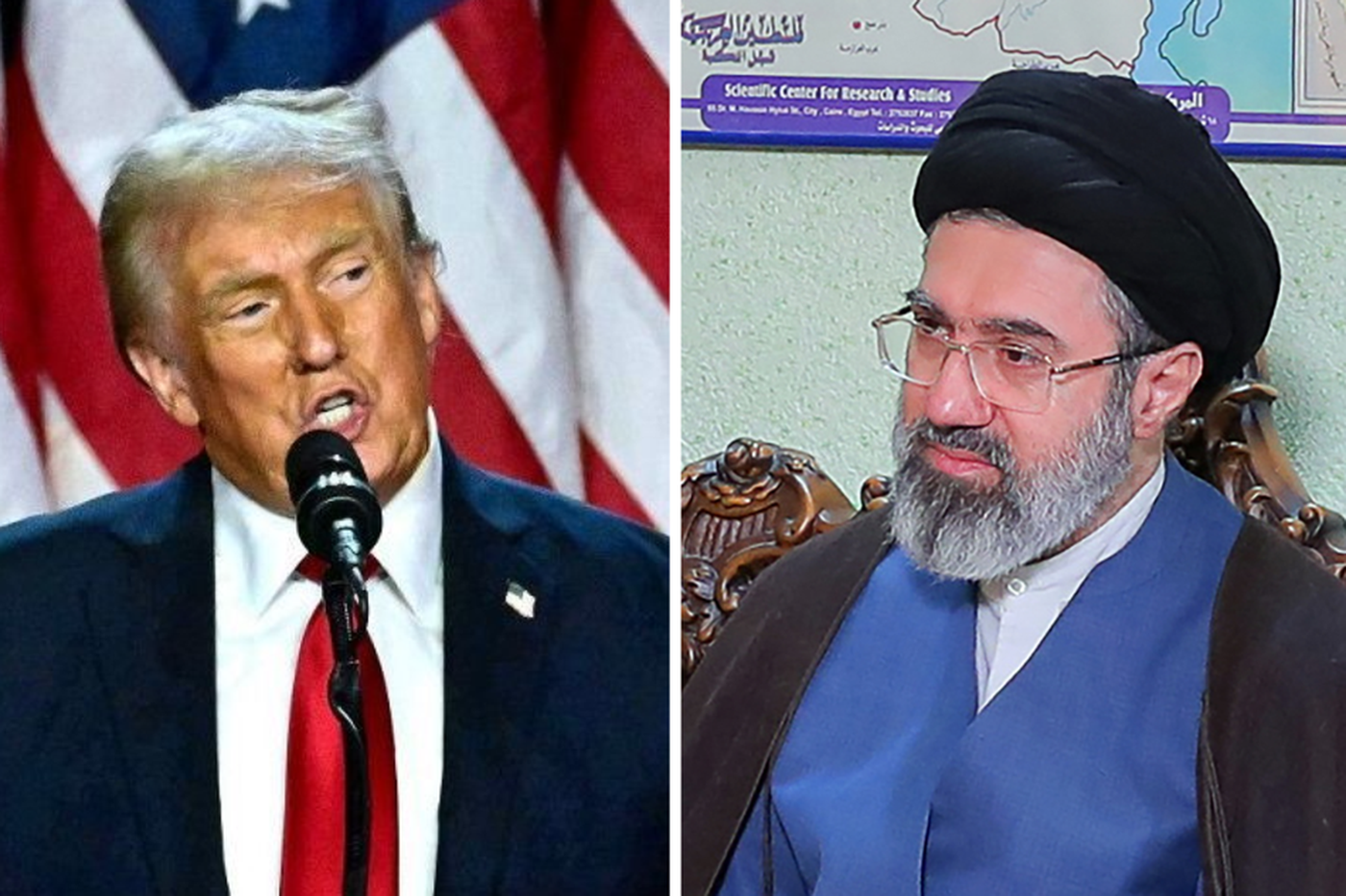
The fragile, weeks-long pause in the U.S.-Israel war with Iran is facing its most critical stress test yet, collapsing into a familiar cycle of overnight military strikes and fierce rhetorical posturing.
Just as back-channel diplomats in Doha appeared to be closing in on a comprehensive 60-day extension to cement a broader peace agreement, the Persian Gulf erupted into fresh hostilities. U.S. Central Command (CENTCOM) executed what it characterized as targeted “self-defense strikes” against Iranian fast-boats and missile launchers in southern Iran, triggering a furious diplomatic backlash from Tehran, which denounced the operations as a “grave and flagrant violation” of the ongoing truce.
The military flare-up underscores a highly volatile dual track: commanders are trading fire in the crucial waters of the Strait of Hormuz even as political leaders insist that a historic diplomatic breakthrough remains entirely on the table.
The Midnight Flashpoint in the Strait
The military exchange unfolded overnight after American surveillance units flagged what they claimed was an imminent threat to regional maritime security.
According to CENTCOM spokesman Capt. Tim Hawkins, U.S. forces observed Iranian military vessels attempting to deploy anti-ship mines into the Strait of Hormuz—the vital maritime choke point through which roughly 20% of the world’s petroleum transit flows.
- The American Defense: The U.S. military maintained it acted with “restraint” but had to execute precision airstrikes to eliminate the immediate threat to commercial shipping, emphasizing its right to protect allied assets.
- The Iranian Retaliation Threat: Iran’s Foreign Ministry immediately shot back, warning that Tehran would “not leave any mischief unanswered” and characterizing the strikes as an unprovoked assault on its sovereign territory during an active ceasefire window.
The lingering closure of the Strait of Hormuz has already triggered severe warning sirens far beyond energy markets. In Rome, U.N. Food and Agriculture Organization Director-General Qu Dongyu warned that the prolonged conflict has choked global fertilizer supplies, threatening to turn a manageable economic shock into a “deeper global food security crisis” cascading well into 2027.
The “Good Deal or No Deal” Ultramaxim
The sudden military escalation prompted President Donald Trump to immediately recalibrate his public posture, steering away from his weekend assertions that an agreement was already “largely negotiated.”
Taking to Truth Social, Trump tempered expectations of an imminent signing ceremony, utilizing his signature high-stakes negotiation rhetoric to draw a hard line in the sand for Iranian negotiators.
“Negotiations with the Islamic Republic of Iran are proceeding nicely! It will only be a Great Deal for all or, no Deal at all — Back to the Battlefront and shooting, but bigger and stronger than ever before — And nobody wants that!”
Speaking from New Delhi, Secretary of State Marco Rubio echoed the president’s hardline stance, confirming that while a peace pact is still viable, the administration is entirely comfortable walking away. “There is a lot of back-and-forth going on about specific language in the initial document, so it’ll take a few days,” Rubio told reporters. “He’s either going to make a good deal or no deal.”
The Architecture of the Doha Blueprint
Despite the kinetic exchanges on the ground, top negotiators—including Iranian Parliamentary Speaker Mohammad Bagher Ghalibaf and Foreign Minister Abbas Araghchi—returned to Tehran following intensive, Qatari-mediated proximity talks in Doha. Sources close to the negotiations report that a structured framework is actively taking shape, though it remains snagged on critical economic and security sticking points.
| The Proposed Doha Blueprint | The Core Obstacles & Demands |
| The 60-Day Runway | A formal 60-day extension of the initial April 8 ceasefire to allow for stable, long-term diplomatic talks. |
| The Maritime Reopening | Iran would gradually remove naval mines and permit unhindered commercial transit through the Strait of Hormuz without imposing transit fees. |
| The Uranium Handover | Trump has demanded that Iran either immediately dilute or completely transfer its stockpile of highly enriched uranium to the U.S. or international atomic monitors to eliminate its “nuclear dust.” |
| The $24 Billion Sticking Point | In exchange, Tehran is demanding the immediate, phased unfreezing of $24 billion in overseas assets. Iran wants half of those funds disbursed in the first phase—a condition Washington is heavily conditioning on nuclear compliance. |
The Regional Wildcard
Compounding the diplomatic friction is the parallel escalation in Lebanon. Even as Washington attempts to hold the line on its direct ceasefire with Tehran, Israeli Prime Minister Benjamin Netanyahu announced he has ordered the Israel Defense Forces to “press the pedal even harder” against Iran-backed Hezbollah forces.
The IDF executed more than 100 airstrikes across southern Lebanon and the eastern Bekaa Valley, hitting a village and leaving at least 11 civilians dead. Iran has repeatedly insisted that any long-term peace agreement with the United States must encompass a total cessation of hostilities in Lebanon—a demand that sits in direct opposition to Israel’s current military momentum.
As President Trump shifts an upcoming high-level cabinet meeting to the White House to review these urgent foreign policy updates, the coming days will determine if the Doha blueprint holds. With asset freezes, nuclear stockpiles, and a regional proxy war all on the table, the administration is discovering that in the Middle East, the line between a “great deal” and a return to the battlefront is razor-thin.
Trendsetter Tribune