A federal judge delivered a decisive blow to the Trump administration’s aggressive restructuring plans for the John F. Kennedy Center for the Performing Arts, halting a scheduled two-year shutdown and ordering the immediate removal of the president’s name from the iconic national venue.
In a sweeping 94-page opinion issued on Friday, May 29, 2026, U.S. District Judge Christopher Cooper ruled that the institution’s Board of Trustees overstepped its legal boundaries. The decision lands as the most significant development in a pair of high-profile lawsuits challenging the administration’s intervention in the affairs of the capital’s premier cultural center.
The Core Legal Thresholds
The twin rulings throw the near future of the 1.5 million-square-foot performing arts center into deep uncertainty by upending two major executive directives:
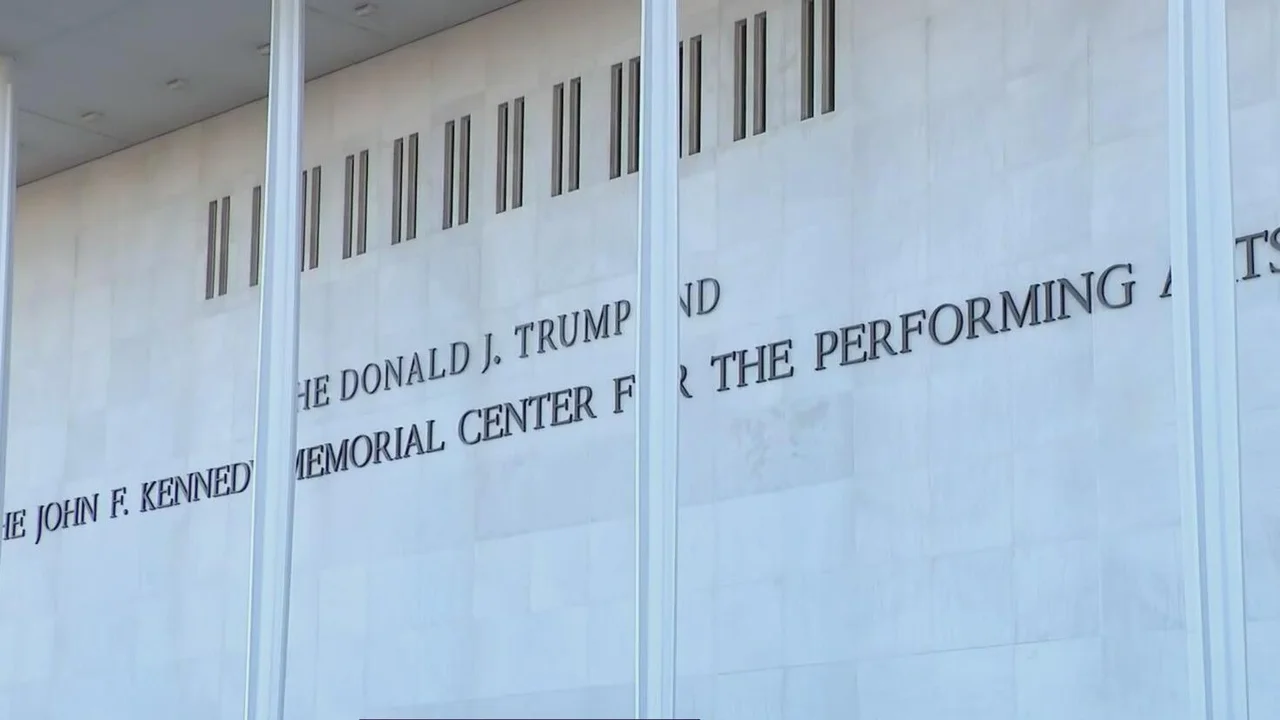
- The Name Modification Invalidated: Judge Cooper ordered Kennedy Center officials to strip Donald Trump’s name from the building’s front portico, website, and all official materials within 14 days. The judge clarified that because the facility was established by federal law as a living memorial to the 35th president, its naming rights reside solely with the legislature.
- The Planned July Shutdown Enjoined: The court granted a preliminary injunction blocking the scheduled July 6 shutdown for a massive, $257 million modernization project. The lawsuit—spearheaded by Ohio Democratic Representative Joyce Beatty, who serves as an ex-officio member of the board—argued the shutdown was pushed through without proper regulatory oversight. Judge Cooper agreed, labeling the board’s March 16 vote to shutter the facility “ill-informed and seemingly preordained.”
“May the John F. Kennedy Center for the Performing Arts be renamed absent Congressional authorization? The answer, plain from the face of the statute, is no,” Judge Cooper wrote. “Congress gave the Kennedy Center its name, and only Congress can change it.”
Shifting Arguments and Historic Preservation Fears
The legal fight pits the administration’s handpicked board against lawmakers and historic preservation groups who are deeply protective of the landmark’s architectural integrity.
| The Administration’s Stance | The Plaintiff’s Objections |
| Urgent Capital Need: Management argues the 1960s structure suffers from severe, decades-long water intrusion and structural decay that requires a full, immediate closure to fix safely. | Lack of Regulatory Review: Preservationists point out that the board skipped mandatory consultations under the National Historic Preservation Act and environmental reviews before announcing the overhaul. |
| Fundraising Leverage: Defense filings argued that utilizing Trump’s name on the facade was a central mechanism for ongoing private donor campaigns aimed at raising an additional $150 million. | Irreparable Architectural Damage: Rep. Beatty voiced deep concern that a total, unsupervised closure would echo aggressive White House renovations, noting workers had already repainted 200 classic gold exterior columns white. |
The Fallout: Appeals and Strategic Retreats
The judicial rebuke drew sharp, immediate reactions from both sides of the aisle. Rep. Beatty applauded the ruling, stating it affirms that the venue “belongs to the American people, not to Donald Trump.” Conversely, Kennedy Center public relations vice president Roma Daravi expressed confidence that an appeals court would ultimately “uphold the Board’s will to recognize President Trump’s historic contributions.”
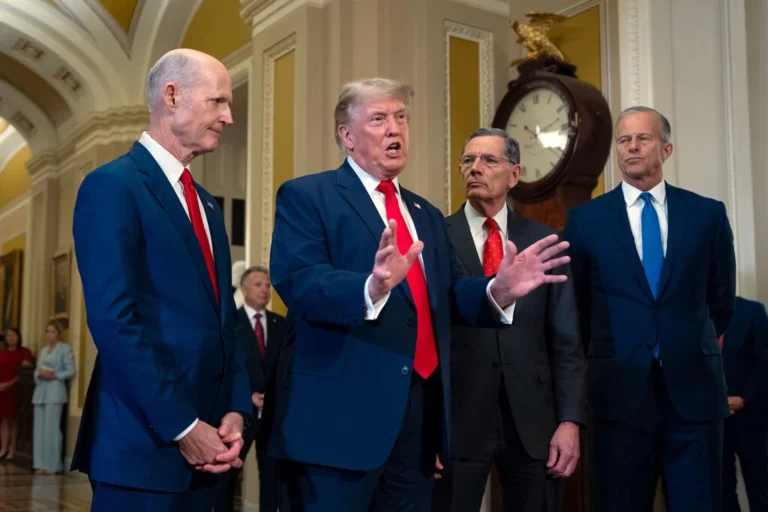
President Trump responded to the decision with a mix of defiance and programmatic retreat. In a social media post, he blasted the ruling and stated he had instructed his administration to make immediate arrangements to transfer full operational and management responsibility for the center entirely back to Congress.
Crucially, the injunction does not prevent the center from executing necessary, piecemeal repairs to fix the building’s water damage. It simply prevents a wholesale, two-year shuttering of programming without a transparent, balanced review of the economic consequences. Both legal teams must confer and submit a joint status report outlining their next litigation steps by June 5, 2026.
Judge blocks closure of Kennedy Center, orders removal of Trump’s name This broadcast provides immediate video reporting on the federal injunction, illustrating the physical signage changes mandated by the court order and outlining the political backlash following the decision.
Trendsetter Tribune