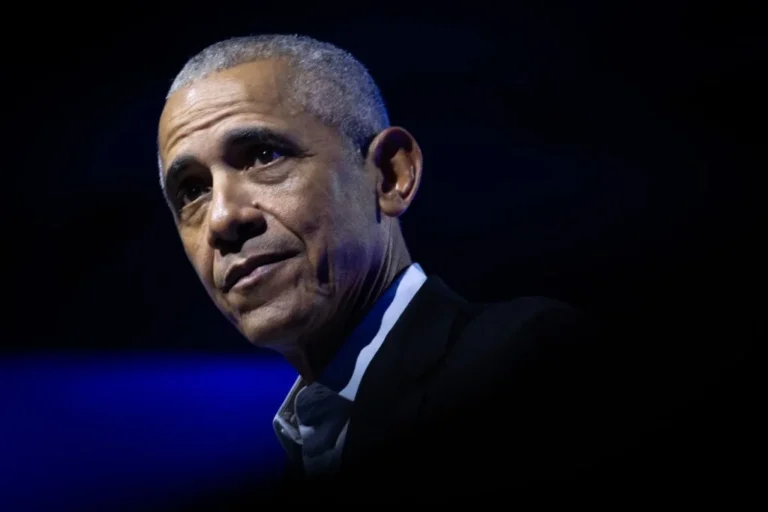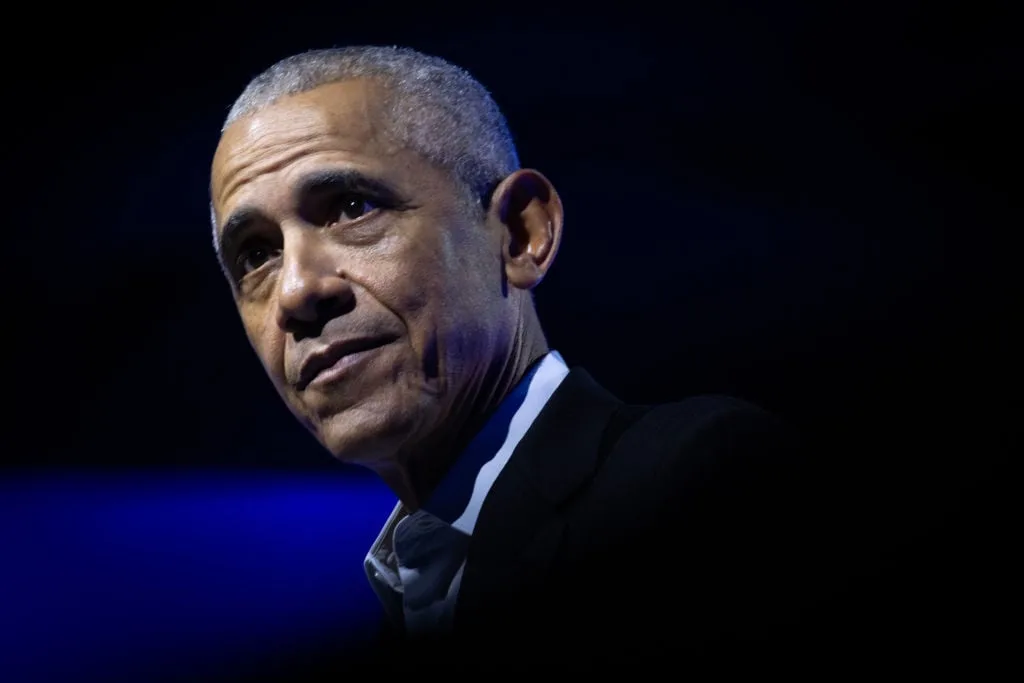
Former President Barack Obama shared an intimate look at one of his favorite upcoming exhibits at the Obama Presidential Center in Chicago, highlighting a nightly White House ritual that grounded his administration: reading 10 letters a day from ordinary Americans.
The exhibit will showcase a curated selection of the thousands of letters, notes, and messages sent to the executive mansion by citizens across the country, alongside the handwritten responses Obama penned from the Treaty Room of the White House.
Reflecting on the emotional weight of the correspondence, Obama noted that the archive remains a profoundly moving testament to the daily struggles, hopes, and resilience of the American public.
The “10 LADAS” Ritual: A Daily Reality Check
Beginning in 2009, the Obama administration established a unique system managed by the Office of Presidential Correspondence. Every day, the staff processed roughly 10,000 letters, emails, and messages from the public.
From that massive influx, the mailroom team selected exactly 10 letters—internally referred to as “10 LADAS” (Letters a Day)—to be placed into the purple leather briefing folder that the president took up to the residence every evening.
The Daily White House Mail Funnel
Total Daily Public Messages Received:   ████████████████████ 10,000+
Curated President's Evening Folder:     █ 10 Letters
The selection process was strictly non-partisan and deliberately designed to provide a raw, unfiltered snapshot of the national mood. The folder routinely included letters from children, prisoners, business owners, supporters, and fiercely critical opponents.
By reading these messages alongside dense policy briefs and classified intelligence reports, the president utilized the nightly ritual as a vital mechanism to stay connected to the real-world consequences of his administration’s legislative choices.
Preserving the Human Side of Policy
The upcoming exhibit at the Obama Presidential Center—currently under construction on Chicago’s South Side—aims to recreate the atmosphere of the White House mailroom and the personal nature of the correspondence.
| Letter Category | Common Themes & Focus | Impact on Executive Action |
| The Unemployed & Struggling | Detailed the immediate, human devastation of the 2008 Great Recession, mortgage foreclosures, and job losses. | Shaped the public rhetoric and targeted expansions of consumer protection regulations. |
| The Healthcare Crisis | Written by citizens battling chronic illnesses, rising insurance premiums, or denial of coverage for pre-existing conditions. | Frequently read aloud by Obama during internal staff debates to maintain momentum for passing the Affordable Care Act. |
| The Opposing Views | Blunt, often angry letters criticizing government spending, foreign policy decisions, or social issues. | Provided a vital counterweight to the political “bubble” of Washington, forcing the executive to confront dissenting perspectives. |
A Living Archive of the American Spirit
For Obama, the exhibit captures the core philosophy behind his presidential library: that the story of an administration belongs to the citizens who lived through it, rather than just the politicians who held office.
Many of the letters featured in the display include original margin notes and the distinctive black ink of the president’s handwritten replies. Some of these interactions sparked ongoing relationships, with the White House inviting several letter-writers to attend major policy speeches or meet face-to-face in the Oval Office.
By placing these ordinary letters at the heart of the museum’s permanent collection, the center highlights a foundational truth of the democratic process—that the most powerful voice in the country does not belong to the person sitting behind the Resolute Desk, but to the everyday citizens sharing their stories around the kitchen table.
As President, I would read 10 letters a day sent to me by ordinary Americans. At the Obama Presidential Center, we’ll have some of the letters I read — and responded to — every night. I still get emotional reading them, and it’s one of my favorite exhibits. pic.twitter.com/8aoxn9CNtT
— Barack Obama (@BarackObama) June 1, 2026
Trendsetter Tribune