 By Trendsetter Tribune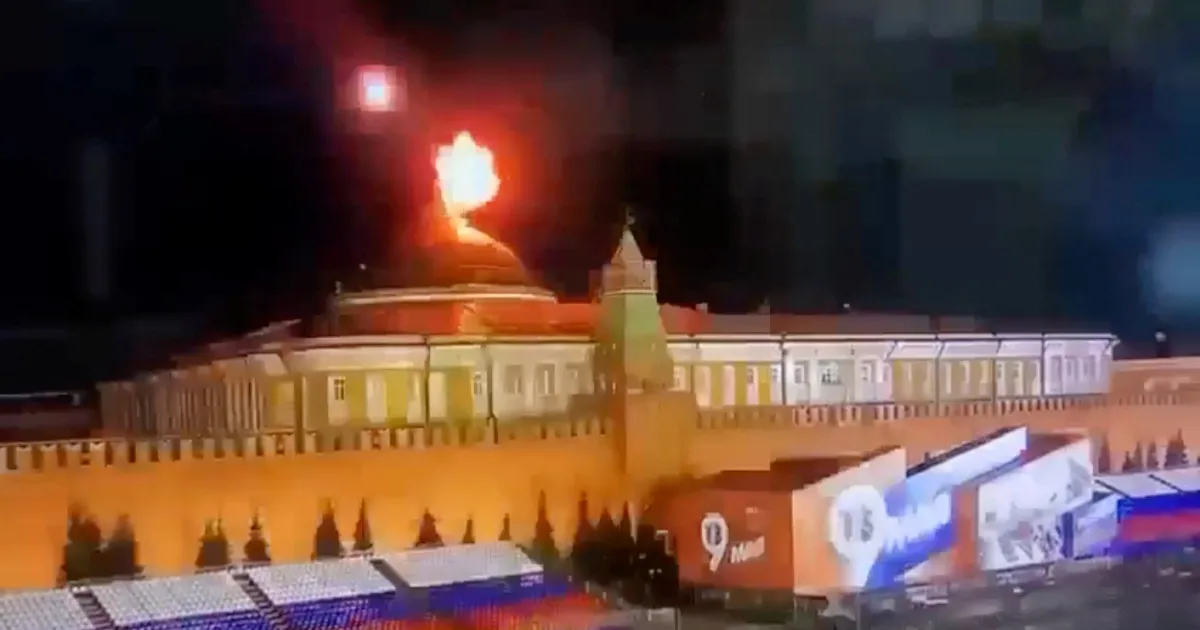
Russia says drones targeted Putin’s residence — Zelensky calls it a lie. Now Moscow threatens to toughen peace talks. Here’s what it really means.
Russia is accusing Ukraine of launching a massive overnight drone strike near Vladimir Putin’s Valdai residence — and says it’s rethinking its position on peace negotiations.
Foreign minister Sergei Lavrov claimed Moscow downed 91 drones and warned the move “will not go unanswered.”
Within minutes, Volodymyr Zelensky called the allegation what he says it is:
“A complete fabrication designed to justify new attacks — and to stall peace.”
Zelensky argues the narrative lays the groundwork for something bigger:
a potential strike on Kyiv’s government buildings — while blaming Ukraine first.
“State Terrorism” — and a Harder Negotiating Line
Lavrov accused Kyiv of state terrorism, insisting Russia won’t leave the negotiating table — but will now “revise” its stance.
Translation?
👉 Moscow wants more leverage
👉 More concessions
👉 Less willingness to compromise
All while suggesting the West — even Britain — helped engineer the alleged attack.
Was Putin Even There?
It’s unclear whether Putin was at Valdai.
The lakeside residence is:
- remote
- heavily guarded
- protected by Pantsir-S1 air defense systems
- historically safer than Moscow
Satellite imagery showed new defenses installed as Ukraine increased deep-strike capabilities — fueling speculation that the story may be more political than tactical.
Trump, Zelensky — and a Peace Deal “Closer Than Ever”
All this unfolded just hours after Donald Trump hosted Zelensky at Mar-a-Lago, saying peace was “closer than ever.”
Behind closed doors:
- Ukraine pushed for 30–50 year security guarantees
- the draft plan currently offers 15
- Trump reportedly said he would “think about it”
Zelensky meanwhile insists a ceasefire of at least 60 days would be needed for any referendum on territorial concessions — especially in Donbas, the core unresolved battlefield.
Russia strongly disagrees, calling a ceasefire a tactic to “prolong war.”
Donbas, NATO Fears, and the “Coalition of the Willing”
Russia wants Ukrainian forces withdrawn beyond administrative borders — effectively ceding control.
At the same time, more than two dozen countries have signaled readiness to participate in a post-war security mission.
Lavrov responded bluntly:
those forces would be “legitimate targets.”
This remains the most dangerous sticking point — more than territory itself.
The Nuclear Plant Wild Card
Another flashpoint: Zaporizhzhia nuclear plant.
Russia wants it operating — plugged into its own grid.
The U.S. proposes joint oversight, excluding Russia’s total control.
Trump praised Putin for “not striking the plant,” but the situation remains volatile — and deeply political.
So… Did a Drone Strike Actually Change Anything?
Short answer:
👉 It changed the tone, not the reality.
Russia gains leverage by claiming:
- “we were attacked”
- “we’re still reasonable”
- “now we need tougher terms”
Ukraine insists the narrative is scripted — and dangerous.
Meanwhile, both sides know something critical:
📌 There may be no peace deal unless security guarantees feel permanent.
And both leaders know the clock is ticking.