 By Trendsetter Tribune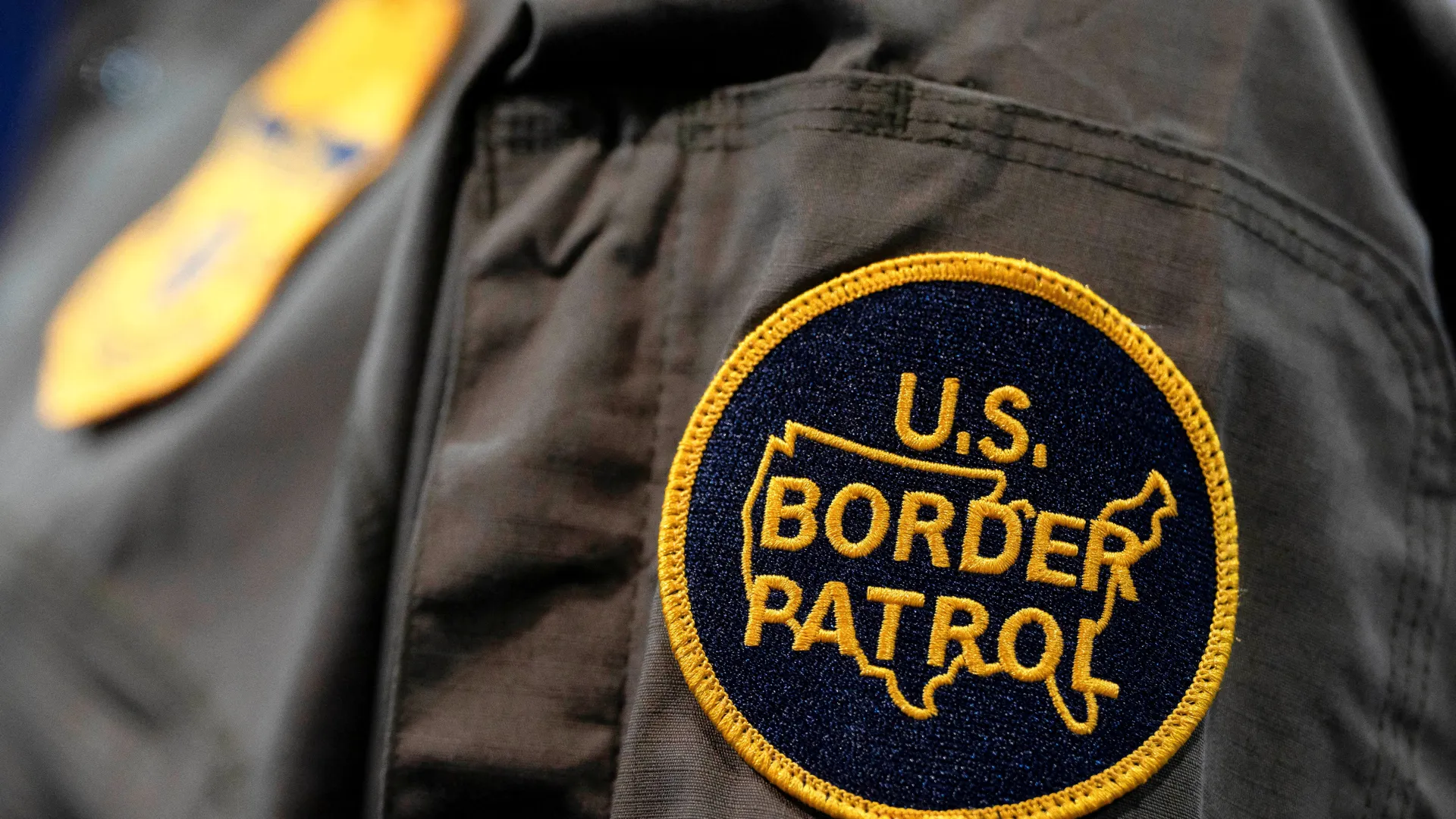
BUFFALO, NY — The Department of Homeland Security (DHS) and U.S. Customs and Border Protection (CBP) have broken their silence regarding the death of Nurul Amin Shah Alam, the 56-year-old nearly blind Rohingya refugee who was found dead on Tuesday, February 24, 2026. In a statement that has only intensified local outrage, the agency defended the actions of its agents, characterizing the abandonment of the disabled man as a “courtesy ride.”
The federal response comes as Buffalo Mayor Sean Ryan and members of Congress demand an immediate investigation into what they describe as a “lethal dereliction of duty.”
The Federal Defense: “No Signs of Distress”
In a formal statement issued late Wednesday, a CBP spokesperson maintained that the agents involved followed proper procedure after determining that Shah Alam, a legal refugee from Myanmar, could not be deported.
- The “Courtesy” Argument: CBP claims that rather than releasing Shah Alam directly from their station, agents “offered him a courtesy ride” to a location of his choosing.
- The Selected Location: The agency asserted that the Tim Hortons on Niagara Street was “determined to be a warm, safe location near his last known address.”
- The Disability Denial: Despite Shah Alam being legally blind and having spent the last year in jail for a “misunderstanding” involving a curtain rod he used as a walking stick, CBP claimed he “showed no signs of distress, mobility issues, or disabilities requiring special assistance” during the encounter.
The Mayor’s Rebuttal: “Dropped at a Closed Coffee Shop”
Mayor Sean Ryan held a press conference on Thursday morning, February 26, where he presented evidence that directly contradicted the federal narrative.
- The “Closed” Shop: Mayor Ryan revealed that the Tim Hortons where Shah Alam was dropped off reportedly closes at 7:00 p.m., meaning the “warm, safe location” was likely locked shortly after agents left him there.
- The “Orange Booties”: Ryan noted that at the time of his release, Shah Alam was still wearing orange jail-issued footwear, which should have served as a clear indicator of his vulnerability to any observant officer.
- The Address Discrepancy: While CBP claimed the drop-off was near his “last known address,” that location was an old residence. Shah Alam’s actual home and family were more than five miles away—a distance he was forced to navigate while nearly blind in freezing temperatures.
Congressional Outrage: Calls for Accountability
The incident has reached the halls of Congress, with Rep. Tim Kennedy (NY-26) and CAPAC Chair Grace Meng (NY-06) issuing a joint statement demanding answers from the highest levels of the Trump administration.
“U.S. Border Patrol agents left a man who was nearly blind, unable to speak English, and living with serious medical conditions miles from his home without notifying his family… We will be demanding answers from Kristi Noem, the Department of Homeland Security, and U.S. Customs and Border Protection.” — Joint Statement, Feb 26, 2026
The lawmakers specifically targeted DHS Secretary Kristi Noem, questioning if the agency’s 2026 “enforcement surge” has led to a breakdown in basic humanitarian protocols for vulnerable populations.
Status of the Investigation
While the Erie County Medical Examiner ruled the death “health-related” and not a result of homicide or direct exposure (hypothermia), Buffalo homicide detectives are still investigating the “timeframe of events” between his drop-off on February 19 and the discovery of his body on February 24.
| Entity | Action Taken |
| Buffalo Police | Actively reviewing surveillance footage from the Niagara Street corridor. |
| Legal Aid Bureau | Reviewing potential civil litigation against the federal government for “wrongful abandonment.” |
| DHS Inspector General | Currently facing formal requests from three members of Congress to open a civil rights probe. |