 By Trendsetter Tribune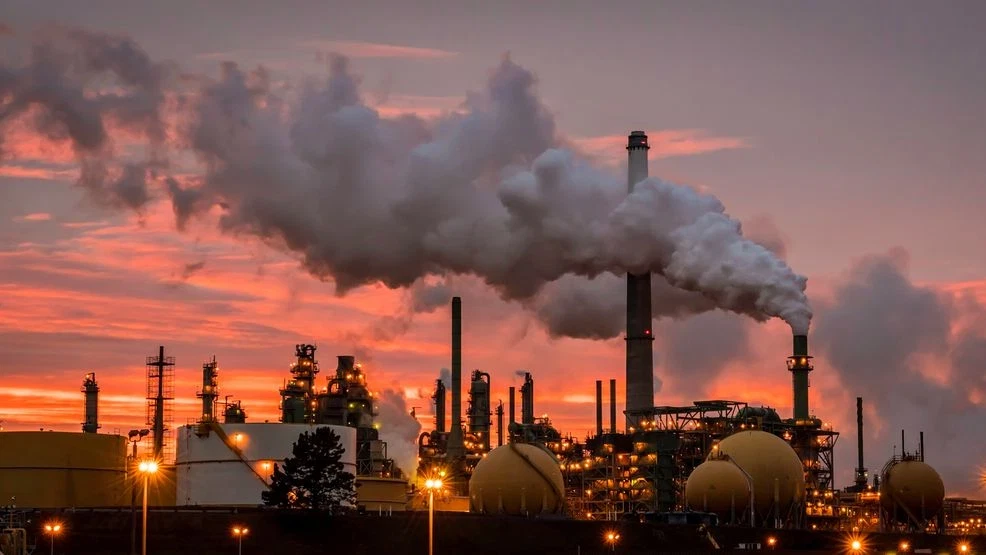
BENICIA, CA — For decades, the Valero refinery was the undisputed heartbeat of Benicia, a scenic, waterside city of 28,000 residents on the northeastern edge of the San Francisco Bay Area. It provided reliable local taxes, well-paying jobs, and a steady economic cushion that allowed the town to maintain a quaint, small-town ambiance while funding community programs and non-profits.
Now, as Valero begins winding down operations—permanently idling most processing units by April 2026—Benicia has become a reluctant test case for whether an oil-dependent town can successfully reinvent itself in an era of rapid transition to clean energy.
The Immediate Economic Impact
The closure of the refinery, which processes about 145,000 barrels of crude oil a day, is sending shockwaves through the local economy.
- Tax Revenue Loss: The city faces a projected loss of $7.7 million annually, which represents nearly 12% of Benicia’s general fund. This shortfall threatens funding for municipal services, parks, and city infrastructure.
- Job Losses: The refinery is Benicia’s largest private employer, with roughly 420 full-time workers. The shutdown will directly lay off nearly 70% of its payroll, approximately 240 employees, by July.
- Small Business Ripple: Local hotels, restaurants, and maintenance contractors that benefited from the refinery’s presence and its workforce are bracing for a significant drop in revenue.
Reinventing the Industrial Landscape
Despite the economic challenges, city officials are looking for opportunities in the refinery’s massive footprint.
| Feature | Details |
| Property Size | The refinery spans 900 acres, with unobstructed views of the Carquinez Strait. |
| Potential Use | Over half the property is undeveloped and could be converted into prime residential or commercial real estate. |
| Industrial Park | City leaders are considering adapting the land to support new industries, similar to how the city pivoted after the Benicia Arsenal closed in the 1960s. |
Environmental and Health Concerns
For many residents and environmental advocates, the closure brings a complicated mix of relief and anxiety.
- Cancer Rates: Some data has indicated that Benicia has had among the highest cancer rates in the state, raising concerns about long-term pollution from the refinery.
- Toxic Fines: In 2024, regional air regulators fined Valero a record $82 million for exceeding toxic emission standards for more than 15 years.
- Public Health Benefits: Mayor Steve Young noted that the shutdown is likely to lead to reduced rates of asthma and respiratory diseases in the community.
- Cleanup Liability: A major challenge facing the city is ensuring the company properly remediates the polluted land, leaving the town with a safe site rather than a hazardous one.
Looking Forward: Can Benicia Weather the Storm?
While the short-term future is uncertain, optimism remains that Benicia’s desirable location, school district, and waterfront charm will continue to attract residents and new investments. The city is currently exploring options to apply for state grants for economic resilience projects and looking for ways to diversify its economy away from industrial dependence.