 By Trendsetter Tribune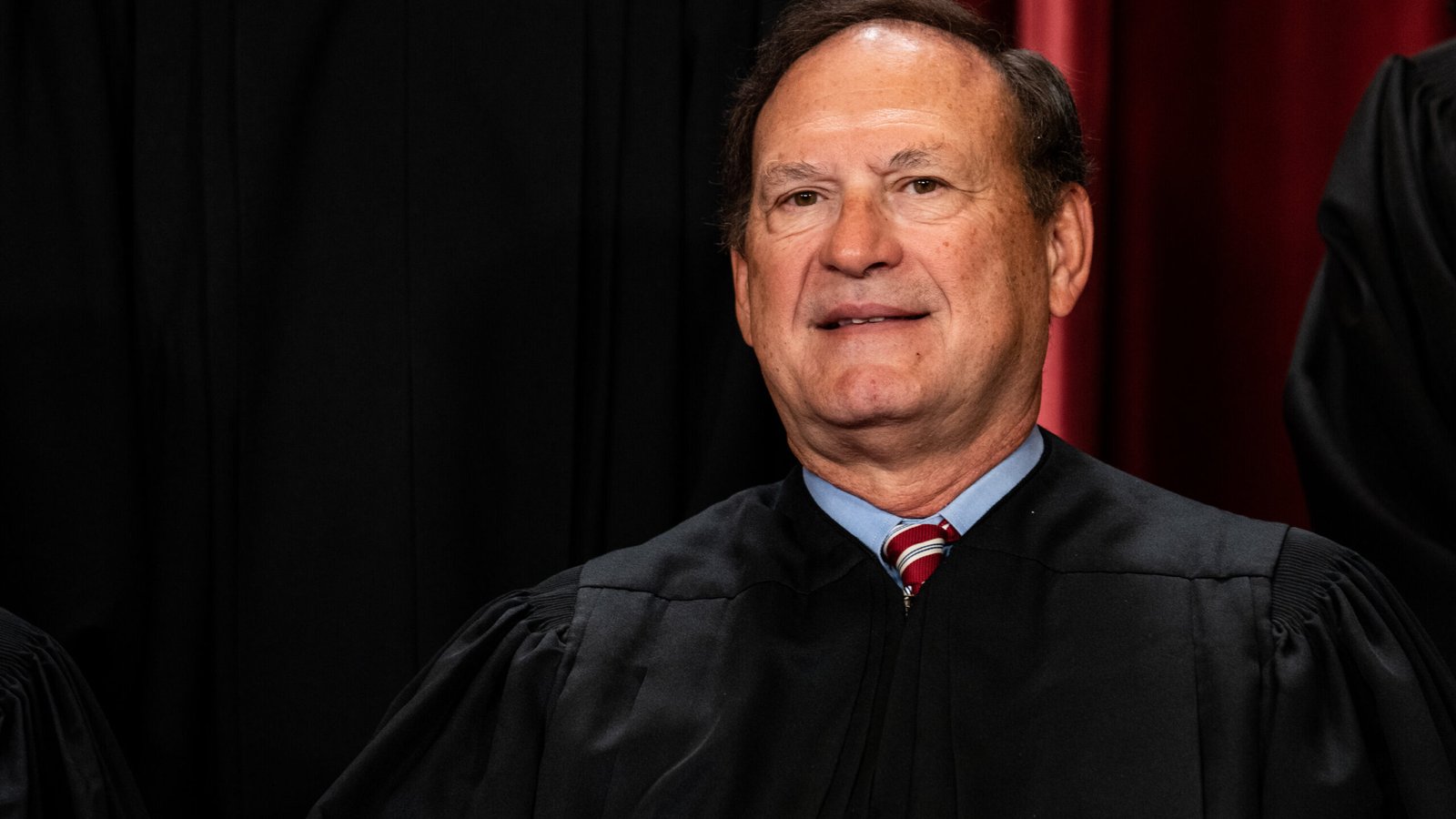
WASHINGTON — In a rare alignment with his more liberal colleagues, Justice Samuel Alito joined a unanimous Supreme Court on Wednesday, February 25, 2026, to rule against the private prison giant GEO Group. The decision in GEO Group, Inc. v. Menocal delivers a significant procedural blow to federal contractors seeking to shield themselves from lawsuits through “derivative sovereign immunity.”
While the ruling was unanimous, Alito’s participation was closely watched, as he has frequently been the court’s most staunch defender of executive authority and contractor protections in immigration-related cases.
The Case: Forced Labor and $1-a-Day Wages
The lawsuit was brought by a class of former detainees at the Aurora Immigration Processing Center in Colorado. They alleged that GEO Group—which operates the facility under a multi-million dollar contract with Immigration and Customs Enforcement (ICE)—violated federal anti-trafficking laws by:
- Forcing unpaid labor: Requiring detainees to clean common areas under threat of solitary confinement.
- Sub-minimum wages: Paying just $1 per day for kitchen and laundry work to supplement meager meals.
GEO Group argued the case should be dismissed immediately under the Yearsley doctrine, claiming that because they were following ICE’s “authorized and directed” instructions, they should share the federal government’s sovereign immunity from lawsuits.
The Ruling: A “Merits Defense,” Not a “Get Out of Jail Free” Card
The Supreme Court’s 9-0 decision, authored by Justice Sonia Sotomayor, clarified the distinction between a defense that can be argued at trial and a total immunity that prevents a trial from happening at all.
| Key Aspect | Supreme Court Determination |
| Legal Status | The Yearsley doctrine provides a merits defense, not an immunity from suit. |
| Immediate Appeal | Contractors cannot immediately appeal a judge’s refusal to dismiss the case; they must wait until after a full trial. |
| Contractual Scope | The Court noted that ICE did not explicitly “direct” GEO to use forced labor or limit wages in a way that violated the law. |
Why Alito’s Vote Matters
Justice Alito’s decision to join the majority—rather than penning a dissent as he did in several 2025 “shadow docket” immigration cases—signals a limit to how far the conservative wing is willing to extend “corporate immunity” for government partners.
- The “Collateral Order” Skepticism: Analysts suggest Alito was swayed by the court’s recent efforts to tighten the “collateral-order doctrine,” which prevents the appellate courts from being flooded with “interruptions” during ongoing trials.
- A “Middle of the Night” Contrast: This ruling stands in stark contrast to Alito’s sharp April 2025 dissent, where he castigated his colleagues for “hastily” blocking the Trump administration from deporting Venezuelans under the 1798 Alien Enemies Act. In this case, Alito agreed that the legal process must be allowed to play out in the lower courts.
Impact on the “Private Prison” Industry
The ruling is a major setback for the private detention industry, which has seen profits soar under the Trump administration’s mass deportation agenda.
- Trial Ahead: The Aurora case—and similar class actions in Washington and California—will now proceed to trial, exposing GEO Group to potentially hundreds of millions of dollars in damages.
- Financial Fallout: Shares of GEO Group and CoreCivic saw a sharp dip in mid-morning trading following the announcement of the 9-0 decision.
- Congressional Oversight: The ruling coincided with a federal judge’s order last week allowing Democratic lawmakers to resume unannounced inspections of ICE facilities, further stripping the “veil of secrecy” from private contractors.
“A federal contract is not a license to bypass the law. If a contractor wants to claim they were ‘just following orders,’ they can do so in front of a jury.” — Alejandro Menocal, Lead Plaintiff, Feb 25, 2026
What’s Next?
With the procedural hurdle cleared, the Aurora case is expected to head to a jury in the District of Colorado by late 2026. Legal experts believe this will force a renegotiation of ICE contracts to include more explicit indemnification clauses, potentially increasing the cost of federal detention for taxpayers.