 By Trendsetter Tribune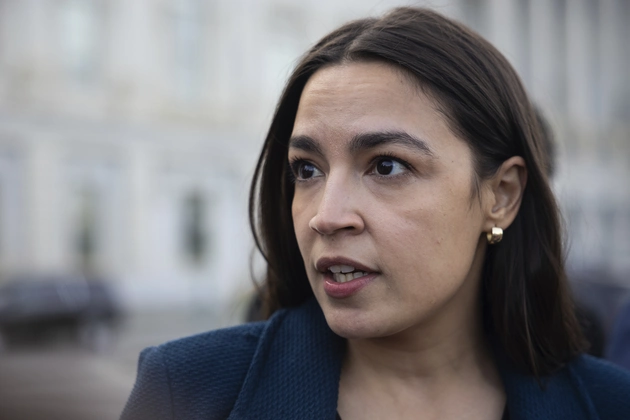
Alexandria Ocasio-Cortez criticizes ICE funding and federal budget priorities following the fatal Minneapolis shooting of Renee Nicole Good, linking healthcare cuts to increased enforcement spending.
Democratic Rep. Alexandria Ocasio-Cortez (AOC) is intensifying her criticism of federal spending on Immigration and Customs Enforcement (ICE), connecting it to devastating real-world consequences. Her comments come in the wake of the fatal shooting of Renee Nicole Good, a Minnesota mother of three, by an ICE agent — an incident that has sparked nationwide outrage and political debate over U.S. immigration enforcement practices.
AOC’s remarks highlight growing tensions over federal budget priorities, raising questions about whether taxpayer money is being diverted from essential services like health care to fund aggressive law enforcement operations.
Background: Minneapolis Shooting and ICE Controversy
On January 7, 2026, ICE agent fatally shot Renee Nicole Good in Minneapolis. Authorities claim the incident involved a threat to the agent, but community leaders and Democratic lawmakers have sharply criticized the use of deadly force.
The incident reignited national scrutiny over ICE operations, especially in blue-leaning cities where local leaders often clash with federal immigration authorities. Following the shooting, Minnesota officials and local residents called for ICE to leave the city, citing repeated patterns of misconduct and excessive force.
AOC Connects Health Care Cuts to ICE Spending
During a public statement, AOC criticized the administration’s budget priorities, directly linking federal cuts to essential programs like Medicaid with increased spending on ICE.
She said:
“I want everyone to understand, the cuts to your health care are what’s paying for this. Understand how these dots connect. You get screwed over to pay a bunch of thugs in the street that are shooting mothers in the face.”
The congresswoman emphasized that American taxpayers are indirectly financing ICE operations, while communities lose access to critical health services. Her remarks have sparked further debate over whether federal enforcement funding comes at the expense of public welfare.
AOC: I want everybody to understand that the cuts to your health care are what’s paying for this. You get screwed over to pay a bunch of thugs in the street that are shooting mothers in the face.
— Acyn (@acyn.bsky.social) January 12, 2026 at 7:20 PM
[image or embed]
Political Fallout and Calls for Accountability
AOC’s comments were part of broader Democratic criticism of ICE and the White House. Minnesota Democratic leaders, including Representatives Ilhan Omar, Angie Craig, and Kelly Morrison, have demanded stricter oversight of detention facilities, citing past incidents where lawmakers were denied access to observe detainees.
Federal government officials, including Vice President JD Vance and Homeland Security Secretary Kristi Noem, have defended ICE, claiming the agency acted in self-defense. However, public trust in ICE has continued to erode, particularly following controversial detentions and use-of-force incidents in major cities.
Community advocates argue that ICE’s presence in urban areas like Minneapolis disproportionately affects families and communities with limited resources, exacerbating social inequities. AOC’s remarks tap into this concern, framing budgetary choices as moral and political decisions with real human consequences.
Broader Context: National Immigration Policy Debate
AOC’s statements align with ongoing efforts by progressive lawmakers to reform ICE and immigration enforcement. Critics argue that aggressive policies, coupled with increased federal spending on enforcement, undermine local governance and public safety.
The Minneapolis shooting has become a flashpoint, drawing attention to the human costs of federal enforcement and prompting calls for accountability. Lawmakers and advocates are urging Congress to reconsider funding priorities, emphasizing investment in healthcare, social services, and community support programs over expanded enforcement operations.
Conclusion: The Stakes Ahead
As debates over ICE funding and federal priorities continue, AOC’s blunt warnings underscore a growing divide in Washington between enforcement-heavy approaches and public welfare concerns. The Minneapolis tragedy has galvanized lawmakers and activists alike, highlighting the urgent need for transparency, oversight, and accountability in federal immigration operations.
For Americans across the country, the controversy raises pressing questions: Are federal funds being allocated responsibly, and at what cost to communities and families?