 By Trendsetter Tribune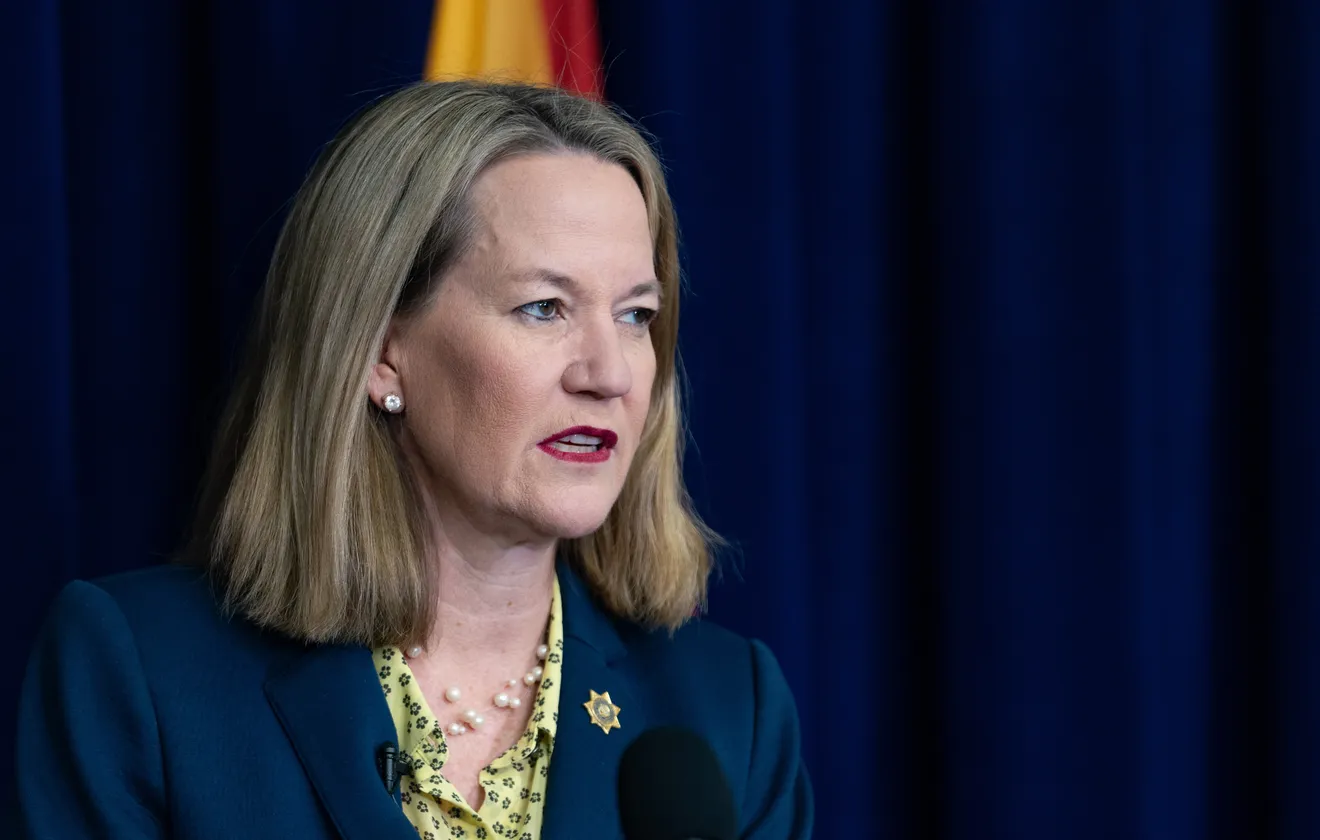
Arizona Attorney General Kris Mayes is facing sharp criticism after comments she made during a televised interview about self-defense laws and masked federal immigration officers.
Speaking with 12 News anchor Brahm Resnik, Mayes referenced Arizona’s “Stand Your Ground” law, which allows individuals to use deadly force if they believe their life is in imminent danger. She warned that tensions between protesters and masked immigration officers could become a “recipe for disaster,” particularly when officers are not clearly identified.
Mayes pointed to situations in which Immigration and Customs Enforcement (ICE) agents wear plain clothes and masks, saying residents may struggle to determine whether someone confronting them is a law enforcement officer. She emphasized that she was describing how the law works, not encouraging violence, but acknowledged the risks involved in such encounters.
The remarks immediately drew backlash from critics, who accused the attorney general of effectively giving residents a green light to use force against federal officers. Resnik repeatedly pressed Mayes during the interview, warning that her statements could be interpreted as encouraging violence. Mayes pushed back, insisting she was stating a legal reality rather than urging action.
“If someone is attacking you and they are not identified as a peace officer, how are you supposed to know?” Mayes said, adding that she is a gun owner herself and stressing that she was not telling people to draw their weapons.
Republican Rep. David Schweikert of Arizona strongly condemned the comments, calling them reckless and irresponsible. In a post on X, he argued that a top law enforcement official should not publicly speculate about scenarios involving gunfire and then dismiss the consequences as “just the law.”
The Department of Homeland Security also weighed in, accusing some political leaders of inflaming tensions at a time when violence against federal officers is rising. DHS officials warned that such rhetoric could put law enforcement lives at risk and urged public officials to lower the temperature.
As debate continues, Mayes has not walked back her statements, maintaining that her intent was to highlight the dangers created by unclear identification and heightened emotions during enforcement actions.
With Mayes up for reelection later this year, the controversy is expected to become a campaign issue, further intensifying the political divide over immigration enforcement and public safety in Arizona.