 By Trendsetter Tribune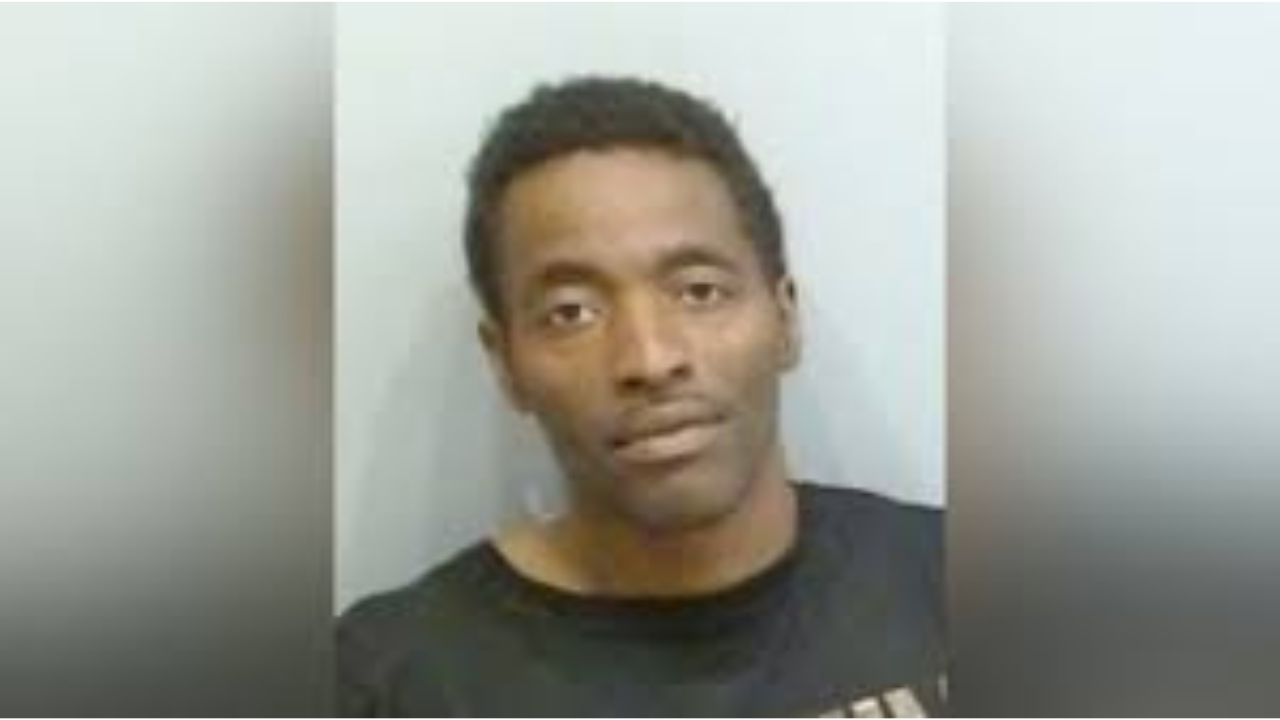
A shocking incident during Beyoncé’s Atlanta tour has taken a new turn as a man accused of stealing the pop superstar’s personal belongings, including hard drives containing unreleased music, pleaded not guilty in court this week. The alleged theft has raised questions about security protocols for high-profile performers and the protection of sensitive creative materials.
The accused, 34-year-old Kelvin Evans, appeared in court in Atlanta on January 7, 2026, at approximately 11 a.m. EST. Streaming live coverage was provided by Atlanta News First, which documented Evans entering his plea of not guilty to charges of entering an automobile with intent to commit theft and criminal trespass. Evans is scheduled to return to court on February 11, 2026, for a case management hearing.
The alleged theft occurred during Beyoncé’s Atlanta stop on her “Cowboy Carter and Rodeo Chiltin’ Circuit Tour.” The singer performed four consecutive shows at Mercedes-Benz Stadium from July 10 through July 14, 2025. Two days prior to her first performance, Beyoncé’s choreographer Christopher Grant and dancer Diandre Blue reported that several sensitive items were stolen from a rental vehicle.
What Happened
According to the police report obtained by USA TODAY, Grant and Blue had parked their black Jeep Wagoneer in a multi-level parking deck at approximately 8:09 p.m. on July 8, 2025. Upon returning to the vehicle, they discovered that the trunk window had been damaged and two suitcases had been stolen.
“Mr. Grant also advised he was carrying some personal sensitive information for musician Beyoncé,” the report stated. “He advised he was her choreographer and Mr. Diandre Blue was a dancer for her, and that her hard drives for her upcoming show in Atlanta were stolen also.”
The stolen hard drives reportedly contained watermarked recordings, unreleased music tracks, footage of show plans, and both past and future set lists for Beyoncé’s performances. Additional items reported missing included designer clothing, sunglasses, laptops, and a pair of AirPods Max headphones.
Evans was arrested on August 26, 2025, after Hapeville police officers took him into custody. He was subsequently booked into Fulton County Jail. During the investigation, law enforcement recovered the stolen items, though details regarding the condition or completeness of the recovered materials have not been disclosed. Representatives for Beyoncé did not respond to requests for comment.
Analysis
This case underscores the unique challenges that high-profile artists face in safeguarding sensitive materials while on tour. Theft of intellectual property, such as unreleased music and show plans, not only has financial implications but can also impact artistic integrity. Music industry insiders note that unreleased tracks are often considered the crown jewels of an artist’s career, and leaks can disrupt album releases, marketing strategies, and tour preparations.
Security experts recommend multi-layered protection, including encrypted digital storage, secure transportation for physical media, and comprehensive monitoring of tour logistics. In this instance, the alleged crime exploited a simple vulnerability—a vehicle parked in a public space. While law enforcement swiftly recovered the items, the incident highlights the need for constant vigilance.
Legal Considerations
Evans faces multiple charges that could carry significant penalties if he is convicted. Entering an automobile with the intent to commit theft and criminal trespass are serious offenses in Georgia. The case is set to return to court on February 11, 2026, for a case management hearing, which will establish a timeline for future proceedings.
Legal analysts suggest that the recovery of the stolen items may strengthen the prosecution’s case, but the outcome will depend on establishing intent and corroborating evidence linking Evans directly to the theft. The plea of not guilty means that the case will move forward toward trial, potentially attracting widespread media attention given the celebrity involved.
Implications for the Music Industry
This incident serves as a cautionary tale for musicians, tour managers, and creative teams. Beyond physical theft, the protection of intellectual property is paramount. Hard drives containing unreleased content are particularly vulnerable because they represent both artistic and commercial assets.
For artists like Beyoncé, who maintain global followings and highly orchestrated tour schedules, even minor security lapses can have outsized consequences. Tour organizers may consider implementing stricter protocols for vehicle parking, secure storage facilities, and digital encryption to mitigate the risk of theft.
Moreover, this case may prompt increased collaboration between law enforcement and the entertainment industry. Rapid recovery of stolen materials in high-profile cases not only prevents financial loss but also preserves the integrity of live performances and future releases.
Adsense Terms and Conditions Reminder
While reporting on this high-profile case, it’s important to note considerations for monetizing content with Google AdSense. Publishers must adhere to the platform’s policies to remain in good standing. Key terms include:
- Prohibited Content: Sites cannot host illegal content, copyright-infringing material, or content that promotes violence.
- Originality: Content must be original and provide value to readers; scraping or republishing news without analysis may violate AdSense policies.
- Ad Placement: Ads must not interfere with site navigation or mislead users into clicking on them accidentally.
- Site Ownership Verification: Publishers must prove ownership of the website through AdSense tools such as meta tags, ads.txt files, or ad code.
- Policy Compliance: Sites must comply with all AdSense program policies, including content restrictions, traffic sources, and click behavior guidelines.
For news outlets covering celebrity thefts or high-profile court cases, following these rules ensures that articles can be monetized safely without risking account suspension or ad removal.
Conclusion
Kelvin Evans’ court appearance marks the next step in a case that has captured national attention. The alleged theft of Beyoncé’s personal belongings, particularly her unreleased music, highlights vulnerabilities faced by touring artists and emphasizes the importance of safeguarding both physical and digital assets. As the legal process unfolds, both fans and industry professionals will be watching closely, eager to see how justice is served and what measures may be adopted to prevent similar incidents in the future.
With the next court date set for February 11, 2026, this story will likely continue to dominate entertainment headlines while also serving as a stark reminder of the ongoing risks associated with celebrity security and intellectual property protection