 By Trendsetter Tribune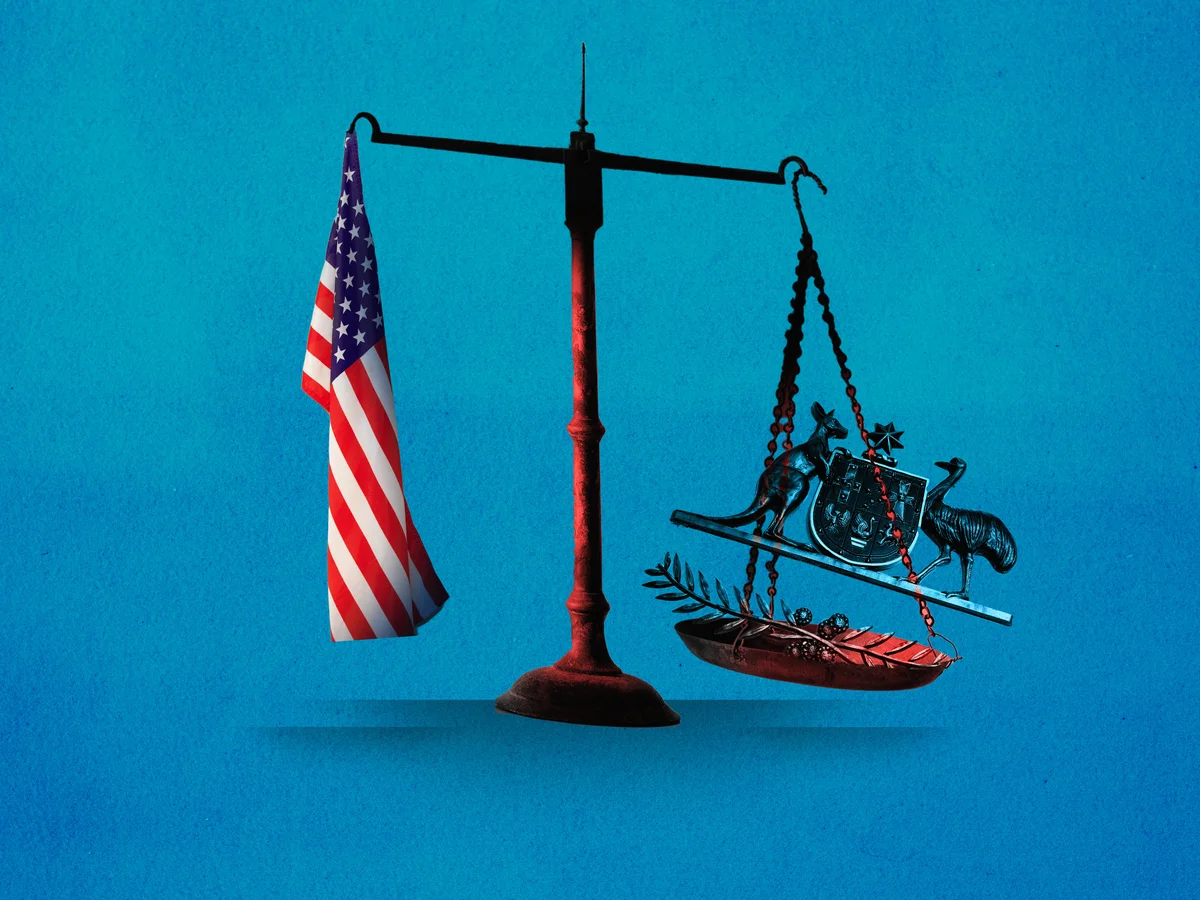
Trust in the United States has declined sharply among Australians under Trump’s second term, yet support for the U.S.-Australia alliance remains strong as experts debate the future of regional security.
Perched above Canberra, the Australian-American Memorial serves as a reminder of decades of U.S.-Australia cooperation. Yet recent polls indicate that public confidence in the United States has plummeted under President Donald Trump’s second term, raising questions about the future of the alliance.
Declining trust in Washington
Surveys show a stark drop in trust: only 36% of Australians now believe the U.S. acts responsibly in global affairs, down from 56% before Trump’s second term. Confidence that Australia shares values with America has fallen to just 8%, according to a YouGov poll for the Australia Institute.
Observers point to Trump’s controversial interventions in Venezuela, Greenland, Cuba, and Iran, highlighting a more radical and unpredictable U.S. foreign policy. Former foreign ministers Gareth Evans and Bob Carr have questioned whether Australia can rely on Washington, describing the current administration as hostile to allies and dismissive of international law.
Support for the alliance remains
Despite declining trust in Trump, support for the U.S.-Australia alliance remains strong. Eight in ten Australians still consider the partnership important for national security, according to the Lowy Institute. Michael Fullilove, the institute’s executive director, emphasizes that Australians can separate the president from America’s broader institutions and strategic value.
“Australia benefits from a powerful ally in the Indo-Pacific,” Fullilove said. “Even if trust in the U.S. president falters, the alliance itself remains vital.”
Strategic options for Australia
Experts suggest Australia must adapt to a more chaotic international order. Fullilove recommends three approaches:
- Greater self-reliance, including increased defense spending and nuclear-capable submarines.
- Strengthened regional partnerships, building a network of trust across Asia-Pacific nations.
- Active engagement with the U.S., maintaining Australia’s value as a partner through intelligence-sharing and strategic bases like Pine Gap.
Prof. Bec Strating of La Trobe University notes that alliances rely on trust and resolve, especially in times of regional tension. “Leaders must demonstrate they will support allies in the event of conflict,” she said.
The stakes: balancing power in the Indo-Pacific
Fullilove warns that reducing reliance on the U.S. would allow China to assert greater influence in the Indo-Pacific, leaving Australia with less strategic autonomy. “A stable balance of power depends on continued American engagement,” he said.
Conclusion: Navigating uncertainty
While Australians are increasingly wary of Trump’s actions, the country remains committed to its alliance with the United States. Policymakers face the delicate task of maintaining security partnerships while adapting to a more unpredictable global landscape. As Australia recalibrates its strategy, the need for careful diplomacy and robust defense planning has never been clearer.