 By Trendsetter Tribune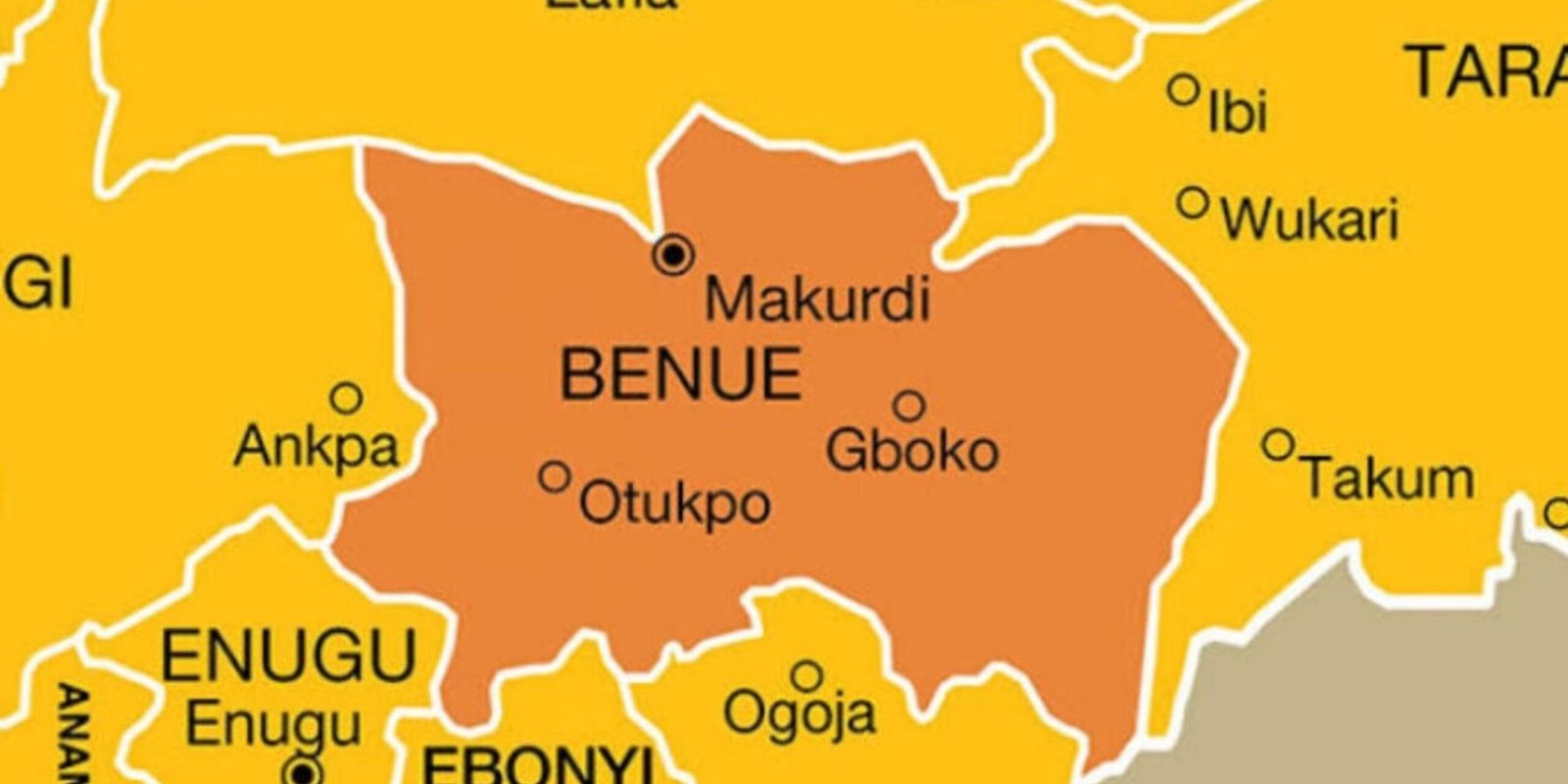
Counterterrorism victories can sometimes create new, dangerous fronts. That is the concern now being raised in Benue State, where local leaders say militants displaced by military airstrikes in northern Nigeria are regrouping and targeting vulnerable rural communities.
The warning from Agatu Local Government Chairman James Melvin Ejeh highlights a recurring challenge in Nigeria’s security landscape: operations that weaken armed groups in one region can push violence into another. For communities already struggling with insecurity, displacement-driven spillover can be just as devastating as the original threat.
Background / Context
Nigeria has relied heavily on airpower and joint operations to disrupt terrorist networks operating across the northwest and northeast. In December, coordinated United States and Nigerian military airstrikes were carried out in parts of Sokoto State, targeting locations where armed groups were allegedly planning attacks.
While security officials described the strikes as successful, intelligence reports and local accounts soon suggested a familiar pattern. Fighters who survived the bombardment did not disappear. Instead, they scattered, moving across state borders into areas with weaker security presence and long-standing communal tensions.
Benue State, located in Nigeria’s Middle Belt, has for years been a flashpoint for violence involving armed herders, criminal gangs, and local militias. Rural communities like Agatu have frequently accused armed groups of exploiting grazing arrangements and porous borders to launch attacks with little resistance.
What Happened
Speaking amid growing fears of renewed violence, Agatu Local Government Chairman James Melvin Ejeh said his area is now experiencing what he described as a “renewed wave of violent attacks” linked to the aftermath of the Sokoto airstrikes.
According to Ejeh, armed elements dislodged by the military operation have infiltrated Agatu communities, unleashing attacks on residents and threatening lives and livelihoods.
“Agatu Local Government Area is presently experiencing a renewed wave of violent attacks, which we firmly believe is a fallout of recent military airstrikes in the Sokoto axis,” Ejeh said.
“These armed elements, fleeing from neighbouring areas, have reportedly infiltrated Agatu communities and unleashed unprecedented terror on innocent and defenceless residents.”
In response, Ejeh announced sweeping administrative action. Most notably, he revoked a 2017 agreement that allowed herders access to Adepati Island for grazing — an arrangement that had long been controversial among locals.
“In view of the persistent violations and escalating violence, I hereby announce the immediate revocation of the 2017 agreement that granted herdsmen access to Adepati Island for grazing,” he declared.
Ejeh accused previous local administrations of sacrificing community safety in the name of peacebuilding, arguing that the agreement had failed to deliver security.
“That agreement was never carried out in good faith. It was done under the guise of promoting peaceful coexistence, but at the expense of the Agatu people,” he said.
He went further, ordering all armed herders to vacate Agatu land immediately and warning that security agencies had begun arrests and investigations into suspected collaborators.
Analysis — The Spillover Problem in Counterterrorism
When success creates new threats
The Agatu situation underscores a persistent dilemma in counterterrorism strategy. Airstrikes can disrupt command structures and degrade militant capabilities, but they rarely eliminate entire networks. Fighters who escape often seek refuge elsewhere, carrying weapons, experience, and a willingness to use violence.
Without coordinated ground operations and regional containment, these militants simply relocate — turning previously quieter areas into new battlegrounds.
The Middle Belt’s vulnerability
Benue sits at the intersection of Nigeria’s north and south, making it a natural corridor for displaced armed groups. Long-standing farmer-herder tensions provide both cover and opportunity for militants to blend in or exploit existing grievances.
Grazing routes, forested areas, and disputed land agreements can quickly become staging grounds for violence when armed actors enter the mix.
Political authority versus federal security
Ejeh’s decision to cancel the grazing agreement reflects frustration at the local level. However, it also highlights the limits of local authority in addressing threats driven by national and regional security dynamics.
While local governments can revoke agreements and issue eviction orders, enforcement ultimately depends on state and federal security forces. Without sustained support, such declarations risk escalating tensions rather than resolving them.
Risk of collective punishment narratives
Ordering all armed herders to leave Agatu may resonate with communities under attack, but it also risks broadening the conflict. Armed groups often thrive in environments where entire populations feel targeted or excluded, using that grievance to recruit and justify further violence.
Balancing firm security measures with careful distinction between criminals and civilians remains one of Nigeria’s hardest challenges.
Implications
For rural communities
Agatu’s experience suggests that rural areas far from major military theaters may increasingly bear the cost of counterterror operations conducted elsewhere. Farmers, traders, and families become the first line of impact when displaced fighters arrive.
Without early warning systems and rapid deployment of security forces, these communities remain dangerously exposed.
For Nigeria’s security strategy
The situation strengthens the case for a more integrated approach to counterterrorism — one that combines airstrikes with coordinated regional security planning, border monitoring, and post-operation stabilization.
Displacement tracking, intelligence sharing across states, and proactive policing in likely spillover zones could prevent similar scenarios.
For local governance
Ejeh’s stance may embolden other local leaders to take unilateral action against agreements perceived as security risks. This could lead to a patchwork of policies across states, potentially complicating national efforts to manage pastoralism, land use, and communal relations.
Conclusion
The warning from Agatu is a reminder that in Nigeria’s complex security environment, victories are rarely clean or contained. What happens in Sokoto does not stay in Sokoto.
As militants scatter under military pressure, communities hundreds of miles away can suddenly find themselves on the front line. Addressing that reality requires more than decisive airstrikes — it demands coordinated follow-through, local protection, and policies that prevent displaced violence from simply finding a new home.
For Agatu, the message from its chairman is clear: the cost of insecurity has become unbearable, and the fallout from distant battles is now being felt at home.