 By Trendsetter Tribune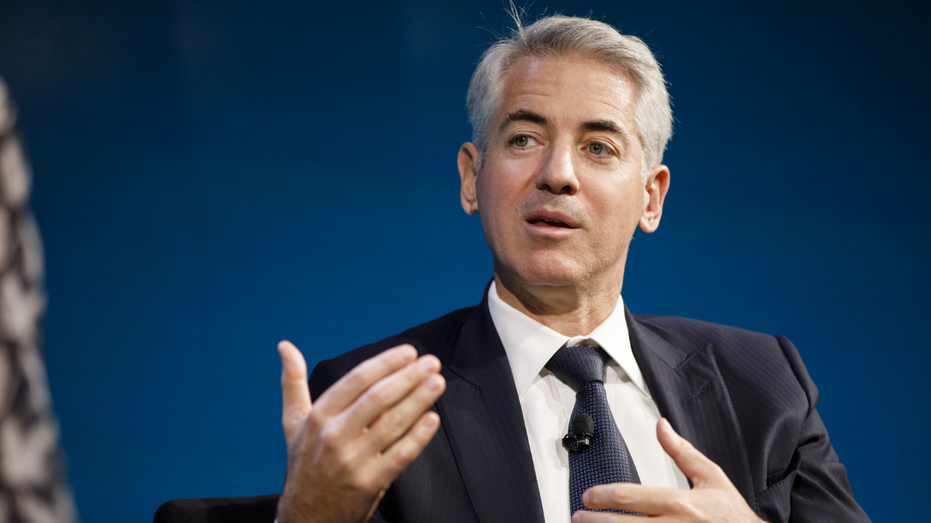
President Donald Trump’s proposal to impose a temporary cap on credit card interest rates has sparked sharp criticism from Wall Street, with hedge fund billionaire Bill Ackman warning the move could unintentionally harm the very consumers it aims to protect. Ackman argues that a government-mandated ceiling could lead lenders to cancel millions of credit cards, pushing vulnerable borrowers toward far riskier alternatives.
The clash highlights a growing tension between populist economic policies and market-based credit systems, as affordability becomes a defining political issue heading into 2026.
On Friday, Trump announced via Truth Social that his administration would pursue a one-year cap of 10% on credit card interest rates, targeting lenders that currently charge rates in the 20% to 30% range. The proposal is set to take effect January 20, 2026, though it would likely require congressional approval to become law.
The announcement fits into Trump’s broader push to address cost-of-living pressures, a political theme gaining traction nationwide as voters continue to struggle with inflation, housing costs, and consumer debt.
Shortly after Trump’s post, Bill Ackman — CEO of Pershing Square Capital Management — responded with a blunt warning in a now-deleted post on X.
“This is a mistake President,” Ackman wrote. He argued that without the ability to price risk appropriately, credit card issuers would be forced to cancel accounts for millions of consumers.
Ackman warned that those affected would likely turn to informal or predatory lending markets, saying borrowers could end up dealing with “loan sharks” offering worse terms and even higher effective interest rates.
Trump, for his part, framed the proposal as consumer protection, saying Americans should no longer be “ripped off” by high interest charges.
In a follow-up post on Saturday, Ackman softened his tone but not his position. He acknowledged that Trump’s goal of reducing credit card interest rates is “worthy and important,” but maintained that a hard 10% cap could distort the credit market.
Ackman emphasized that he holds no investments in the credit card sector, distancing his criticism from personal financial interest. He argued instead that the credit card industry is already competitive and that the most effective way to lower rates would be to encourage new entrants and financial technologies by easing regulatory barriers.
In his view, market competition — not government price controls — offers a more sustainable path to affordability.
The disagreement underscores a familiar policy dilemma:
- Credit cards are unsecured loans, meaning lenders rely on interest rates to offset defaults and fraud.
- A strict cap could disproportionately affect lower-income and subprime borrowers, whose risk profiles justify higher rates under current models.
- While the proposal appeals politically, especially amid voter frustration over debt, economists often warn that price controls can reduce access rather than improve fairness.
Trump’s move also raises legal questions. Without congressional action, it remains unclear what authority the president would have to enforce such a cap unilaterally.
Affordability has emerged as a defining issue in recent elections. New York City Mayor Zohran Mamdani’s November victory, driven in part by cost-of-living concerns, reflects growing voter demand for aggressive economic intervention.
Trump’s proposal signals a populist shift aimed at working-class voters burdened by debt — but resistance from financial leaders suggests the policy could face strong opposition from both Wall Street and lawmakers.
Bill Ackman’s warning adds a powerful voice to the debate over Trump’s proposed credit card interest rate cap. While the president’s focus on affordability resonates with many Americans, critics argue the plan could unintentionally restrict access to credit and worsen financial hardship for millions.
As the proposal moves from rhetoric to potential legislation, the battle between political appeal and economic reality is likely to intensify — with consumers caught in the middle.
Stay informed: Follow our coverage for in-depth reporting on economic policy, Wall Street reactions, and the political decisions shaping Americans’ financial futures.