 By Trendsetter Tribune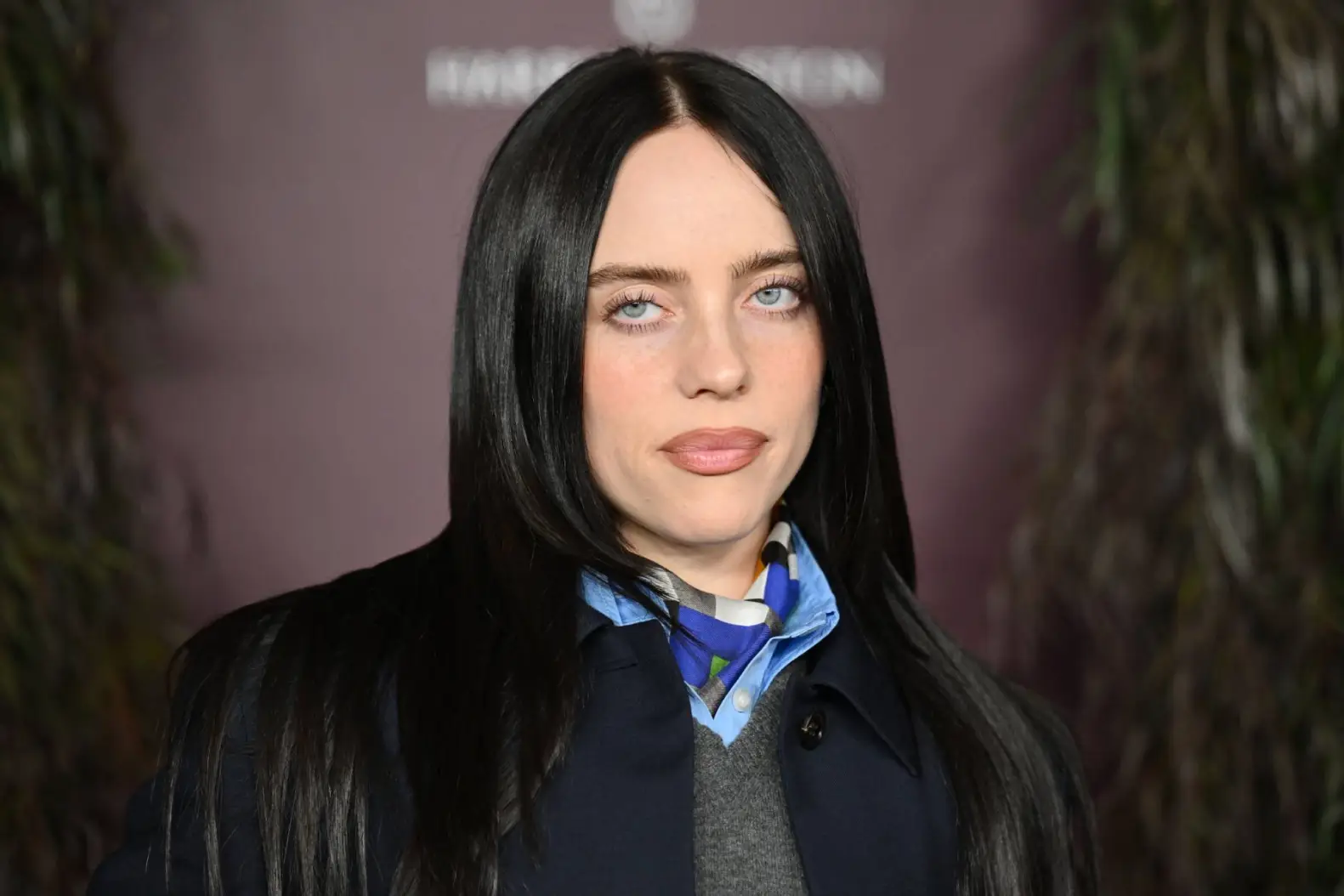
Pop star Billie Eilish has entered the growing national debate over immigration enforcement after a fatal shooting in Minneapolis involving an Immigration and Customs Enforcement (ICE) agent. By using her massive social media platform to denounce the agency and call for its abolition, Eilish has amplified public outrage surrounding the death of Renee Nicole Good — and reignited broader questions about ICE’s conduct, accountability, and future.
The incident has already triggered protests across the country, drawn reactions from multiple public figures, and intensified pressure on federal authorities to explain how a domestic enforcement operation ended in a civilian death.
What Happened in Minneapolis
Renee Nicole Good, a poet, community organizer, and mother of three, was shot and killed on January 7 during a large-scale ICE operation in Minneapolis. According to reports, the shooting occurred on a residential street amid heightened immigration enforcement activity.
Good was known locally for her involvement in volunteer neighborhood patrols that monitored ICE activity and alerted residents to enforcement operations. Her death quickly became a rallying point for activists, sparking demonstrations in Minneapolis and beyond.
Federal authorities have said the shooting is under investigation, though critics have questioned whether ICE and federal law enforcement can impartially police themselves in such cases.
Billie Eilish’s Response
On January 9, Billie Eilish reposted several messages on Instagram condemning ICE in unusually direct terms. One widely shared graphic labeled ICE a “federally funded and supported terrorist group,” accusing the agency of “tearing apart families, terrorising citizens, and now murdering innocent people.”
Another post Eilish shared called for ICE to be abolished entirely, citing reports that 32 people died in ICE custody last year. A third urged Americans to contact their members of Congress, demanding the defunding of ICE and the arrest and prosecution of the agent involved in Good’s death.
While celebrities frequently comment on social issues, Eilish’s language stood out for its bluntness — particularly given her global reach and largely young fan base.
A Pattern of Political Activism
Eilish’s statements are consistent with her long history of political engagement. She has repeatedly criticized President Donald Trump and has been a prominent advocate for gun control following multiple mass shootings.
After a deadly shooting near Brown University in December, Eilish again spoke publicly about the need for stricter gun laws. In 2023, she participated in the “Artists For Action To Prevent Gun Violence” campaign, joining other musicians to pressure lawmakers for legislative reform.
She also urged fans to demand tougher gun regulations in 2019 following mass shootings in El Paso, Texas, and Dayton, Ohio. Immigration enforcement, however, represents a broader expansion of her activism into federal law enforcement and national security policy.
Growing Cultural and Political Fallout
Eilish is not alone in reacting to the Minneapolis shooting. Musician Neil Young publicly urged Americans to “rise up” against ICE, adding to a growing chorus of artists, activists, and public figures condemning the agency.
The backlash has already had tangible effects. ICE has reportedly stopped running advertisements on Spotify amid the controversy, signaling concern about reputational damage as scrutiny intensifies.
Meanwhile, protests in Minnesota and other states have kept the issue in the national spotlight, with demonstrators calling for justice for Good and systemic reform of immigration enforcement practices.
Oversight, Accountability, and ICE’s Future
The shooting has renewed longstanding debates over ICE’s role, oversight, and tactics. Critics argue that the agency operates with excessive force, insufficient transparency, and minimal accountability when civilians are harmed.
Supporters of ICE counter that agents operate in dangerous environments, often facing unpredictable threats, and that enforcement actions are necessary to uphold immigration law. They also warn that inflammatory rhetoric could endanger federal agents.
Still, cases involving civilian deaths place intense pressure on lawmakers and the Justice Department, particularly when public trust in federal institutions is already strained.
The Bigger Question
Eilish’s posts have helped propel the Minneapolis shooting from a regional tragedy into a national political flashpoint. Her intervention underscores how celebrity activism can shape public discourse — but it also raises questions about what comes next.
Will Congress move to impose stricter oversight on ICE? Will federal investigators bring charges if wrongdoing is found? Or will public outrage fade without structural change?
As protests continue and investigations unfold, Renee Nicole Good’s death remains at the center of a broader reckoning over immigration enforcement, federal power, and accountability in the United States.
Conclusion
By speaking out forcefully against ICE, Billie Eilish has once again demonstrated her willingness to use fame as a political tool — even when doing so invites controversy. Whether her intervention leads to concrete policy change remains uncertain, but it has undeniably added fuel to a national debate that shows no sign of slowing down.
For now, the questions surrounding the Minneapolis shooting — who is responsible, what reforms are needed, and how far accountability will go — remain unresolved.
Billie Eilish condemns ICE in new Instagram reposts:
— Pop Crave (@PopCrave) January 9, 2026
“ICE IS A FEDERALLY FUNDED AND SUPPORTED TERRORIST GROUP UNDER THE DEPARTMENT OF HOMELAND SECURITY THAT HAS DONE NOTHING TO MAKE OUR STREETS SAFER.” pic.twitter.com/XnqfdwDHQH