 By Trendsetter Tribune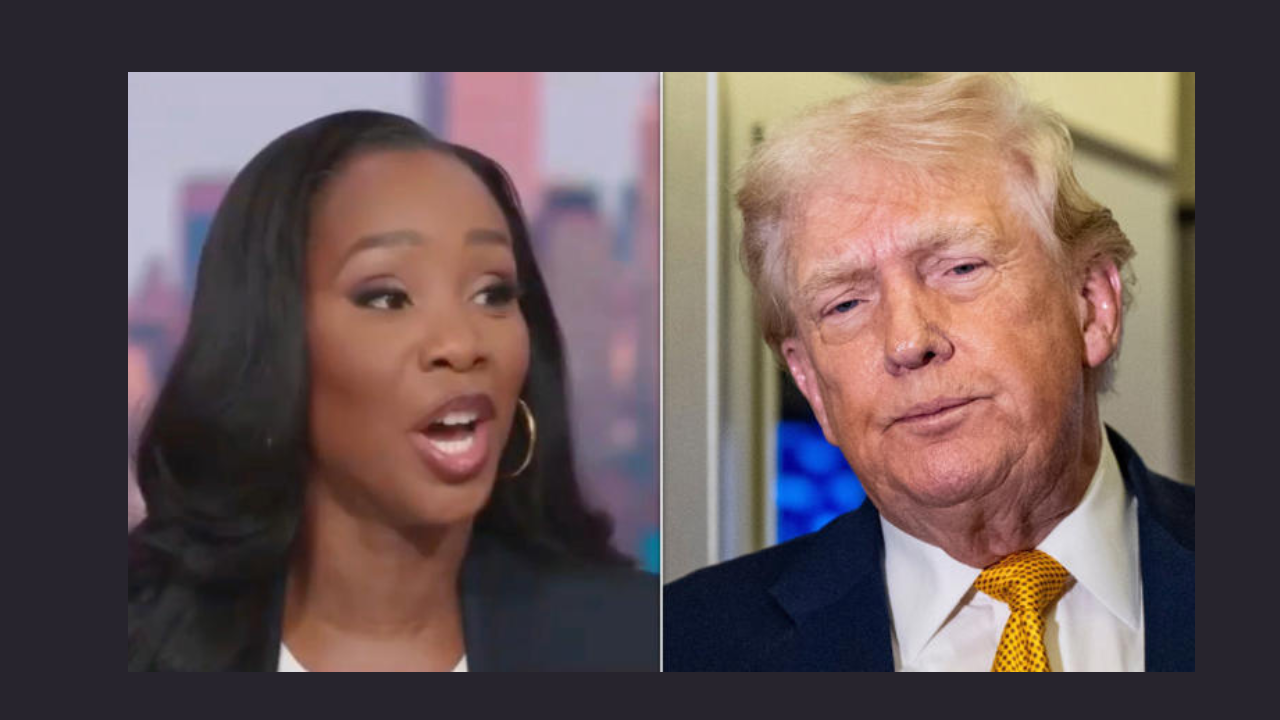
CNN host Abby Phillip on Saturday Morning Table for Five used a memorable pop‑culture reference to critique President Donald Trump’s recent foreign policy actions, saying he appears to be proclaiming himself “king of the world” — a line famously shouted by Leonardo DiCaprio’s character in Titanic.
Speaking on the panel, Phillip walked through what she characterized as a pattern in the president’s first days of the year, beginning with the U.S. military operation in Venezuela that captured and extradited Nicolás Maduro to face federal charges.
“What he’s saying,” Phillip noted, “is in line with this broader, more aggressive posture where the only thing limiting his powers on the world stage is his ‘own morality’ — and that he doesn’t ‘need international law.’”
She also cited Trump’s remarks about potential U.S. military intervention in nations like Colombia and Cuba, and his revived interest in acquiring Greenland, even suggesting the U.S. might use force to do so — an idea that has drawn international scrutiny given Greenland’s status as a self‑governing territory of Denmark and a NATO partner.
Phillip framed these developments as a modern twist on the Monroe Doctrine, sometimes referred to in media circles as the “Donroe Doctrine,” which reflects an assertive U.S. policy aimed at maintaining dominance across the Western Hemisphere.
During the same discussion, New York Post correspondent Lydia Moynihan defended the Trump administration’s actions, arguing they align with longstanding interpretations of the Monroe Doctrine and that the U.S. has a responsibility and “ability to have sovereignty in this hemisphere.”
The debate highlights growing discourse over how far the executive branch can extend U.S. influence abroad, especially when actions — such as unilateral military operations and territorial ambitions — challenge traditional norms of international law and sovereignty.