 By Trendsetter Tribune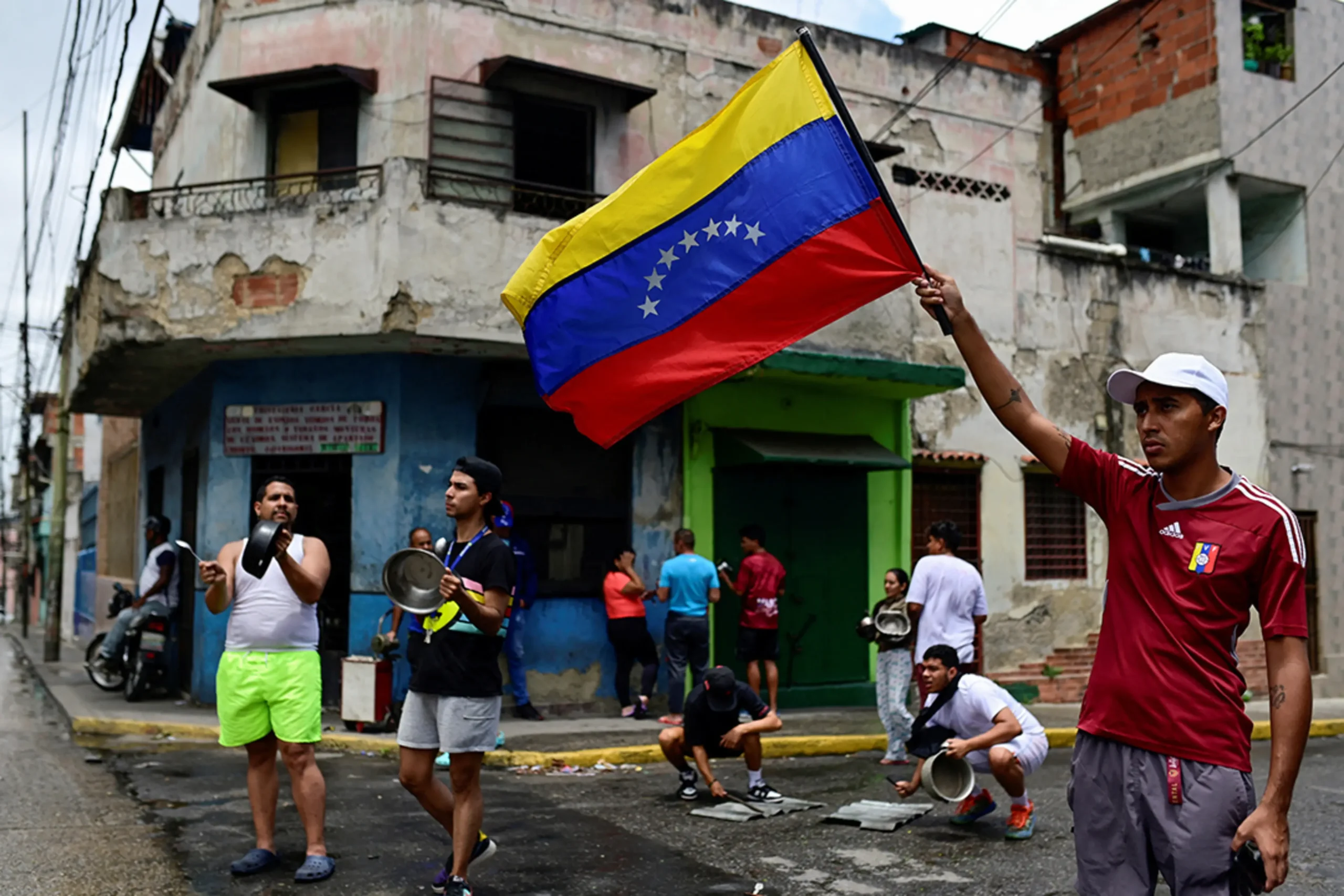
Cuba’s government has officially acknowledged that 32 of its military and police officers were killed over the weekend in Venezuela during a U.S.-led military operation, marking the first confirmation of fatalities among Cuban personnel.
The announcement was made Sunday night on Cuban state television, with the government stating the officers were in Venezuela on a mission at the request of the Venezuelan government. The precise nature of their deployment was not disclosed.
“Faithful to their responsibilities for security and defense, our compatriots fulfilled their duty with dignity and heroism and fell after fierce resistance in direct combat against the attackers or as a result of the bombings of the facilities,” the Cuban statement said, noting two days of national mourning.
U.S. Response and President Trump’s Comments
President Donald Trump addressed the situation aboard Air Force One as he returned to Washington from Florida.
“You know, a lot of Cubans were killed yesterday,” Trump said. “There was a lot of death on the other side. No death on our side.”
Trump also indicated that the United States could conduct further military action if Venezuelan authorities do not cooperate with U.S. demands aimed at reopening Venezuela’s oil industry and curbing drug trafficking. He suggested that the U.S. might take similar action in neighboring countries should conditions warrant it and repeatedly emphasized American control of the situation.
He framed the mission not only as law enforcement but as an effort to reclaim Venezuelan oil assets.
“We’re taking back what they stole… Oil companies will return to Venezuela and rebuild the country’s petroleum industry,” Trump said, asserting that billions of dollars would be spent to “take the oil out of the ground.”
Maduro’s Capture and Court Appearance
Venezuelan President Nicolás Maduro was reportedly captured during the raid in Caracas on Saturday. U.S. officials have described the operation as a law-enforcement action linked to criminal charges filed in 2020 accusing him of narco-terrorism conspiracy, including alleged support for major trafficking groups.
Maduro was scheduled to appear before a federal judge in New York on Monday. Trump also claimed that migrant flows into the U.S. and historical nationalization of U.S. oil interests factored into the decision to authorize the operation.
Developments in Caracas
Despite Maduro’s reported detention, Venezuelan officials in Caracas have remained defiant.
Vice President Delcy Rodríguez, who has taken a more prominent leadership role amid the turmoil, rejected U.S. claims that she is prepared to work with Washington. Rodríguez, who also serves as Venezuela’s oil minister, has been viewed as one of the most pragmatic members of Maduro’s inner circle.
She insists that Maduro remains president and has disputed U.S. portrayals of the situation.
Regional and Market Reactions
Global oil markets reacted to the news with volatility, as investors weighed the implications of U.S. military involvement in Venezuela — a major oil-producing nation — and uncertainty about the future of its energy sector.
In Asia, stock markets saw a modest rise amid the developments.
Ongoing Uncertainty
The unfolding events in Venezuela have raised questions about regional stability, U.S. foreign policy, and the potential for further military engagement.
With Cuban casualties confirmed, diplomatic tensions between Havana and Washington are likely to intensify. Meanwhile, Venezuela’s government in Caracas continues to assert sovereignty, even as its president faces legal proceedings abroad.
As investigations continue and more information becomes available, the international community is closely watching how this crisis evolves.