 By Trendsetter Tribune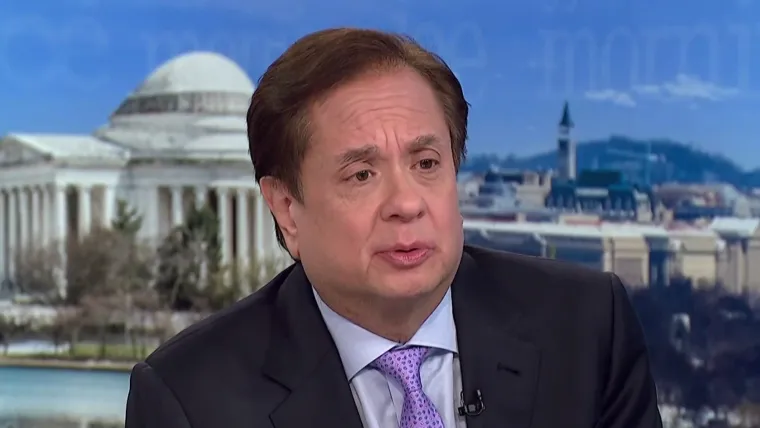
A Democratic congressional candidate sharply criticized federal immigration enforcement on national television this week, reflecting growing political backlash over the controversial fatal shooting of a Minneapolis woman by an ICE agent. His comments underscore how the incident is fueling heated debate over immigration policy, law enforcement authority, and public trust in federal agencies.
On January 7, 2026, Immigration and Customs Enforcement (ICE) agents shot and killed Renee Nicole Good, a 37‑year‑old Minneapolis resident, during a federal enforcement operation. Good’s death has sparked widespread protests in Minneapolis and beyond, with local officials questioning the federal account of the incident and demanding transparency.
The Trump administration has defended the ICE agent’s actions as self‑defense, while local leaders — including Minneapolis Mayor Jacob Frey — have denounced the agency’s involvement and characterization of the victim.
What Happened
On Thursday, Democrat George Conway, a longtime conservative lawyer now running for New York’s 12th Congressional District, appeared on CNN’s “The Lead” to discuss the response to the Minneapolis shooting and the broader protests against ICE.
Asked about how federal officials — including President Donald Trump, Vice President J.D. Vance, and Homeland Security Secretary Kristi Noem — have handled the situation, Conway delivered strong criticism of the administration’s rhetoric and enforcement approach.
Conway described the federal government’s response as “mendacious and heartless.” He argued that claims suggesting the shooting made the country safer were “absurd,” and that the heavy‑handed federal posture actually heightened fear in communities.
He rejected assertions by Noem and others that the woman shot in Minneapolis was a “domestic terrorist,” calling such characterizations “ridiculous.” Instead, Conway said ICE itself — through its tactics and presence — has acted like “domestic terrorists,” intimidating ordinary residents, including those with children.
“You have to fear federal agents,” he said, adding that the deployment and conduct of ICE agents were contributing to an environment that “is just asking for some tragedy to occur.”
Analysis — What His Remarks Signal
Conway’s comments highlight deepening political divisions over immigration enforcement and federal authority:
1. Broadening Political Backlash
Unlike typical party leaders, Conway is a former conservative figure who switched to the Democratic Party. His harsh criticism underscores how opposition to ICE’s actions is spanning traditional political boundaries and energizing candidates running on platforms centered on civil liberties and government accountability.
2. Messaging on Safety vs. Intimidation
Conway’s framing — that federal enforcement is making communities less safe — contrasts with the administration’s portrayal of enforcement as necessary for security. This divide reflects a larger debate in U.S. politics about the balance between enforcement, civil rights, and community trust.
3. Impact on Local Sentiment
In Minneapolis and other cities where protests have occurred, opposition to federal agents has been strong. Local leaders like Minneapolis Mayor Jacob Frey have accused federal authorities of misrepresenting evidence and obstructing state involvement in investigations. The Guardian Conway’s remarks echo these sentiments and amplify them on a national platform.
Implications
- Political Campaigns: As Conway runs for Congress, his vocal stance on ICE may mobilize voters who are critical of federal immigration policy and law enforcement tactics.
- Public Debate: Labeling a federal agency “domestic terrorists” sharply escalates the rhetoric around enforcement operations and may influence how other politicians frame the issue ahead of elections.
- Policy Discussion: With protests continuing and state officials calling for independent investigations, this incident may shape debates on federal oversight, use of force standards, and immigration policy reform.
Conclusion
George Conway’s characterization of ICE as “domestic terrorists” in the wake of the Minneapolis shooting adds a stark voice to the national conversation about federal enforcement and public safety. As the city and country grapple with the fallout from the fatal incident, such comments reflect the broader tensions and deepening divisions shaping U.S. political debate in 2026.