 By Trendsetter Tribune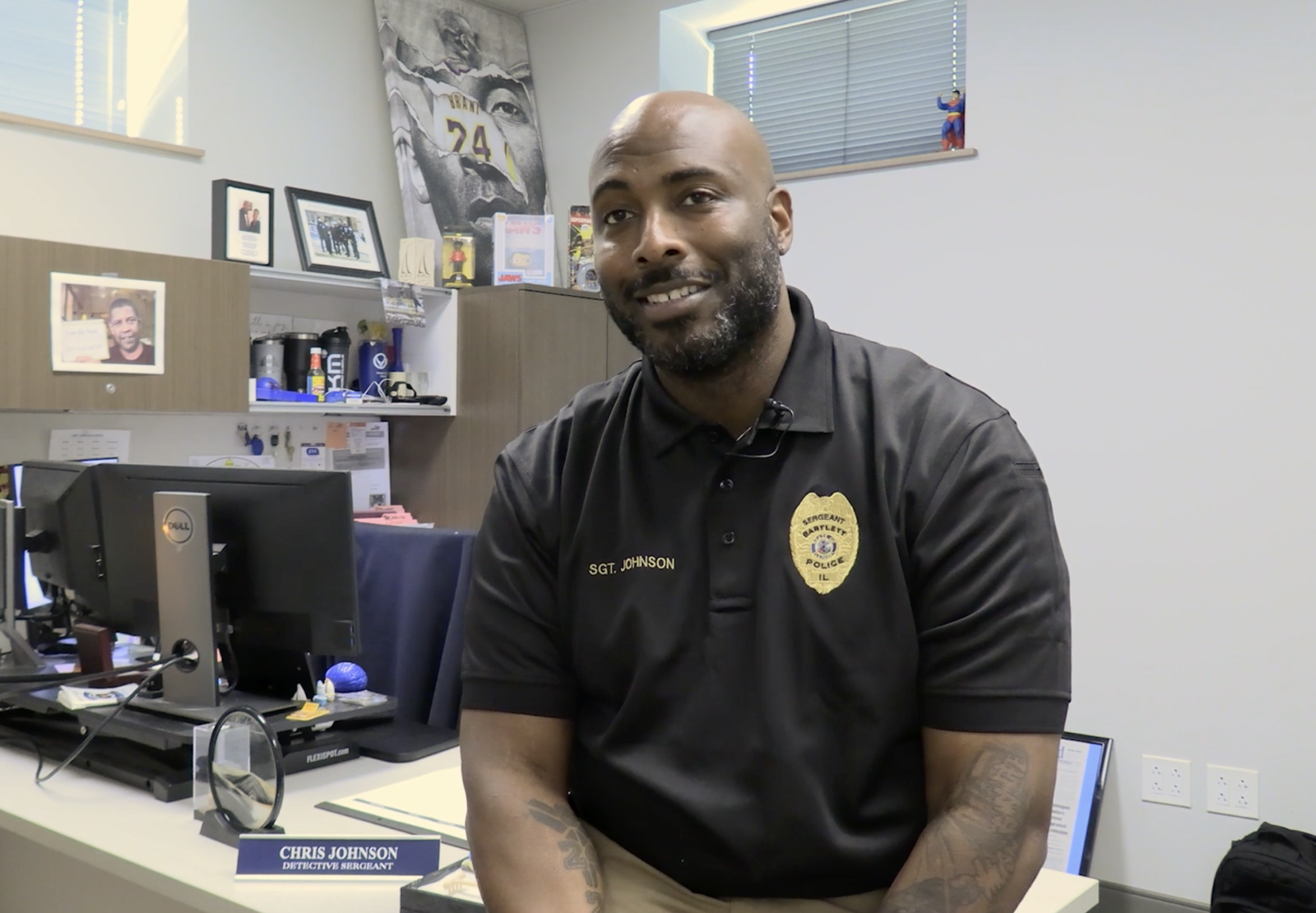
Bartlett detective Chris Johnson survived a rare, life-threatening aortic dissection and multiple complications. Now, he advocates for heart health awareness in high-stress professions.
Detective Sergeant Chris Johnson of Bartlett, Illinois, faced a life-or-death emergency last March when he suffered a rare aortic dissection—a tear in the body’s main artery that can be instantly fatal.
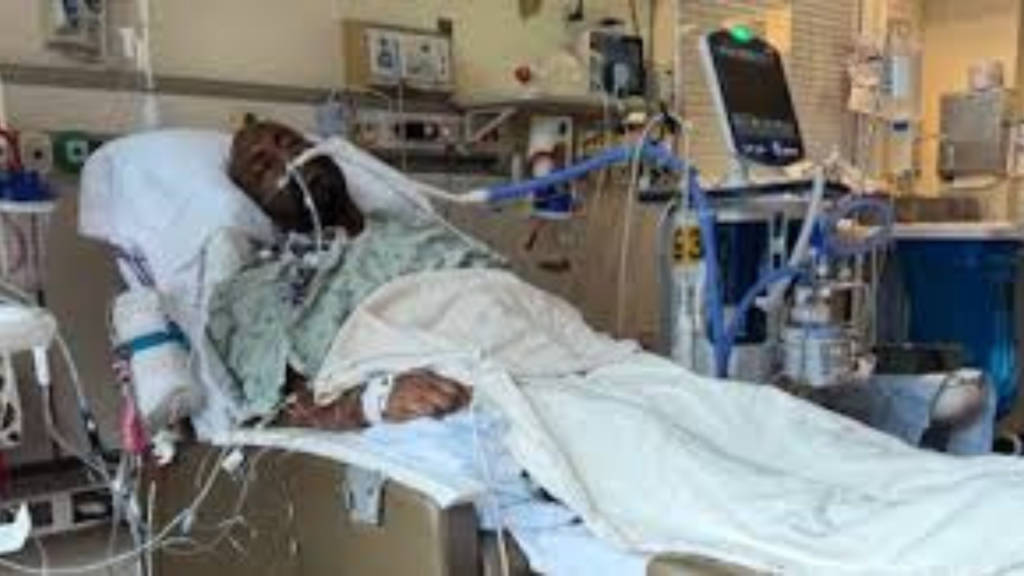
Johnson, 38, felt a sudden chest ache while at home one evening. Mistaking it for a muscle cramp, he went to the kitchen, only to collapse. His wife called 911, and paramedics arrived in under two minutes. Johnson was rushed to Northwestern Memorial Hospital in Chicago, where doctors performed a six-hour open-heart surgery that saved his life.
“The surgeon told me if the tear was two millimeters bigger, I wouldn’t have made it,” Johnson recalled.
His recovery was fraught with complications, including abnormal heart rhythms, strokes, pulmonary embolisms, pneumonia, and temporary paralysis of his right arm. After 10 days in the ICU, he was transferred to a rehabilitation hospital for physical and occupational therapy.
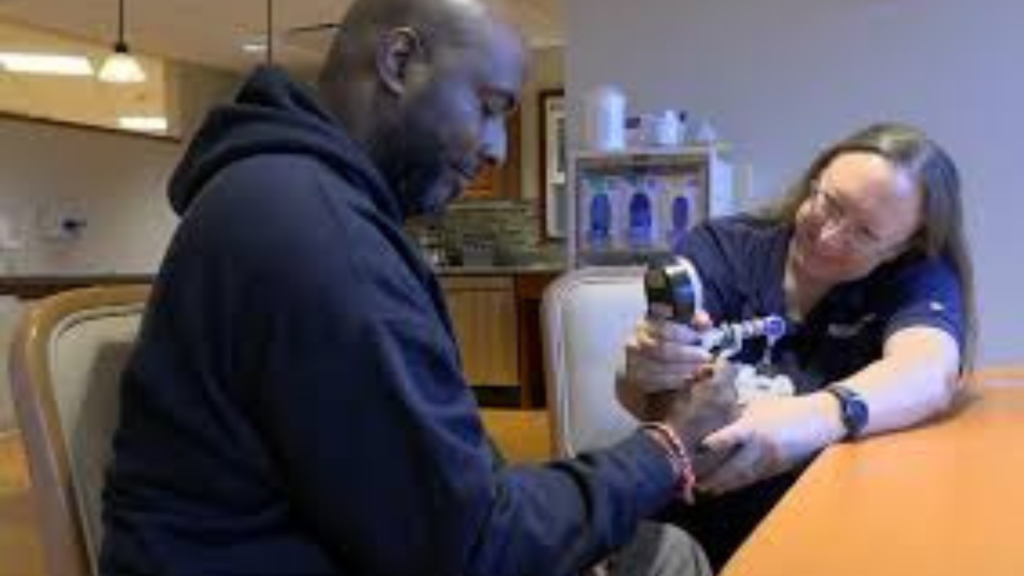
Johnson worked closely with occupational therapist Beth Bosak for three months to regain fine motor skills. His goal was to return to full duty as a police officer and handle his service weapon safely. “In the beginning, I thought, ‘There’s no way I am ever going to get back to normal,’” Johnson said. “And now I am — against all odds, I’m back.”
Just 10 weeks after finishing occupational therapy, Johnson was cleared for full duty in August, resuming his work with a renewed focus on health. He has become an advocate for heart health, especially among Black men and people in high-stress professions like law enforcement.
“Listen to yourself. Don’t ignore the signs. Go to the doctor and get checked out,” Johnson advises. “We have tickets to the greatest show on Earth, but if we don’t take care of ourselves, we can end up in situations like this.”
Johnson’s story underscores the importance of rapid medical response and the power of rehabilitation, turning a near-tragic event into a mission to promote awareness and prevention.