 By Trendsetter Tribune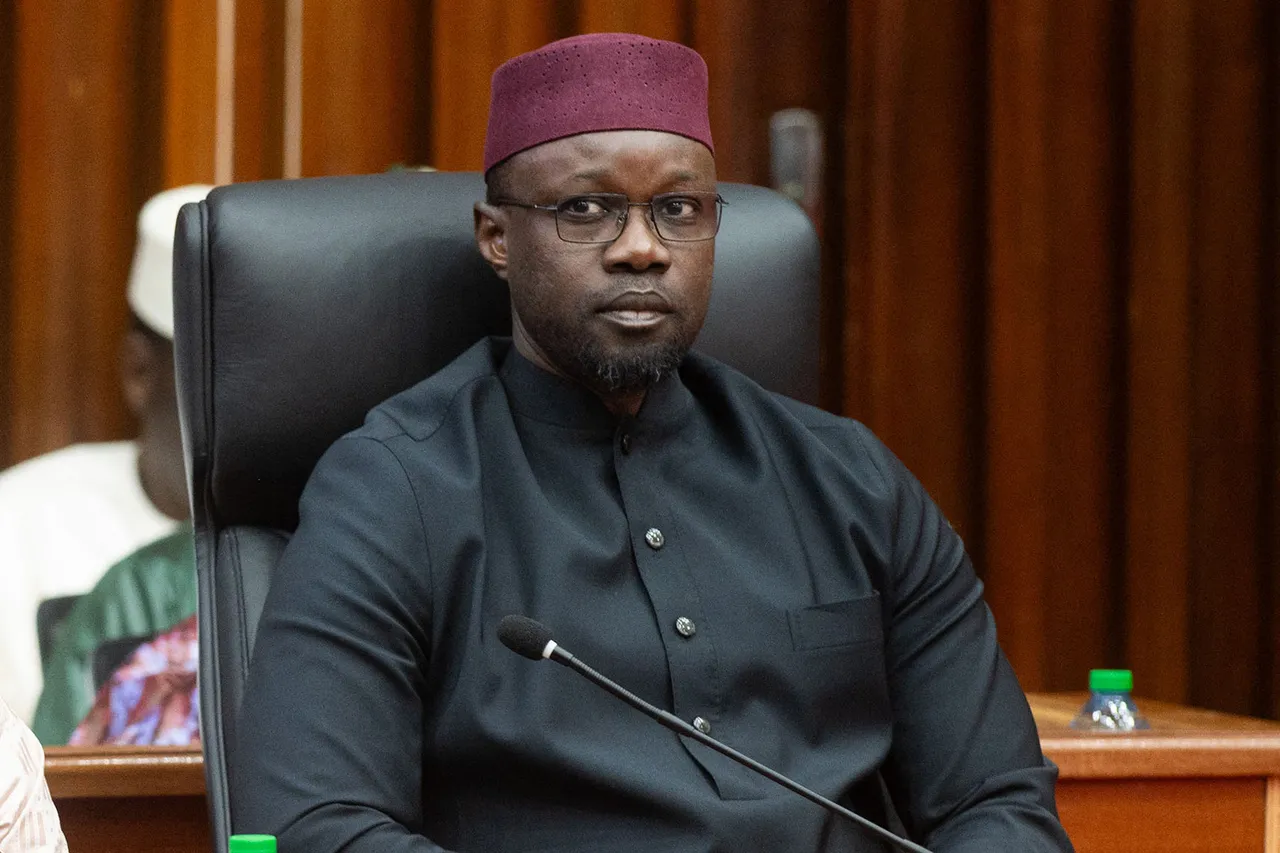
DAKAR, Senegal — In a move that has sparked outcry from international human rights organizations, Prime Minister Ousmane Sonko introduced legislation to the National Assembly on Tuesday, February 24, 2026, that would significantly increase prison sentences for same-sex relations. The bill fulfills a key campaign promise made by Sonko’s PASTEF party and follows a month of high-profile arrests that have gripped the West African nation.
The proposed amendments to the Penal Code seek to double both the minimum and maximum penalties for what the law defines as “unnatural acts.”
The Proposed Legal Changes
The new legislation targets Article 319 of the Senegalese Penal Code, which has criminalized same-sex activity since 1966. If passed, the bill would transform the sentencing landscape for LGBTQ+ individuals:
- Increased Jail Time: The current penalty of one to five years would be increased to a minimum of five years and a maximum of ten years in prison.
- Broadened Definition: The bill seeks to explicitly define “any sexual act or act of a sexual nature between two people of the same sex” as an “act against nature.”
- Targeting Advocacy: The legislation reportedly includes provisions to criminalize the “glorification” and “financing” of such acts, a move seen as a direct hit to NGOs and advocacy groups.
- Aggravating Factors: In cases involving a minor, the maximum sentence of ten years would be mandatory.
A Climate of “Panic and Fear”
The legislative push follows what activists describe as a “homophobic panic” sparked by the recent arrests of at least 26 individuals across Dakar and Touba.
| Key Figure / Group | Incident Detail |
| Pape Chinch Diallo | Popular media presenter arrested on Feb 9; currently in custody. |
| Djiby Dramé | Well-known musician arrested in the same sweep. |
| “HIV Stigmatization” | The Gendarmerie publicly announced that 6 of the 12 men arrested in Dakar tested positive for HIV, using the data to justify charges of “endangering the lives of others.” |
| And Samm Djikko Yi | A conservative Islamist collective that has been pressuring the government to pass this law by April or face “nationwide consequences.” |
Human Rights vs. “Traditional Values”
The debate in Senegal is framed as a clash between universal human rights and the preservation of national, religious, and traditional values.
- The Government’s Stance: Prime Minister Sonko told lawmakers on Tuesday that the legislation aims to protect Senegalese culture from “foreign ideologies.” He notably warned Western nations that pushing for LGBTQ+ rights could become a “new casus belli” (cause for war).
- International Backlash: Human Rights Watch and Amnesty International have called for the immediate release of those detained, arguing that the law violates the African Charter on Human and Peoples’ Rights.
- The Health Crisis: Healthcare workers in Dakar expressed “extreme worry” on Tuesday that the arrests will drive at-risk populations underground, derailing HIV prevention and treatment efforts.
“We can achieve the intended objectives without going so far as to elevate the acts to the level of felonies… but we must send a clear message that our values are not for sale.” — Prime Minister Ousmane Sonko, Feb 24, 2026
What’s Next?
Since Sonko’s PASTEF party holds a significant majority in the National Assembly, the bill is widely expected to pass with little resistance.
- Parliamentary Vote: A specific date for the vote has not been set, but observers expect it before the holy month of Ramadan begins in late March.
- UN Scrutiny: The UN Human Rights Committee is expected to issue a formal inquiry following the reports of “forced HIV testing” used as evidence in current criminal cases.