 By Trendsetter Tribune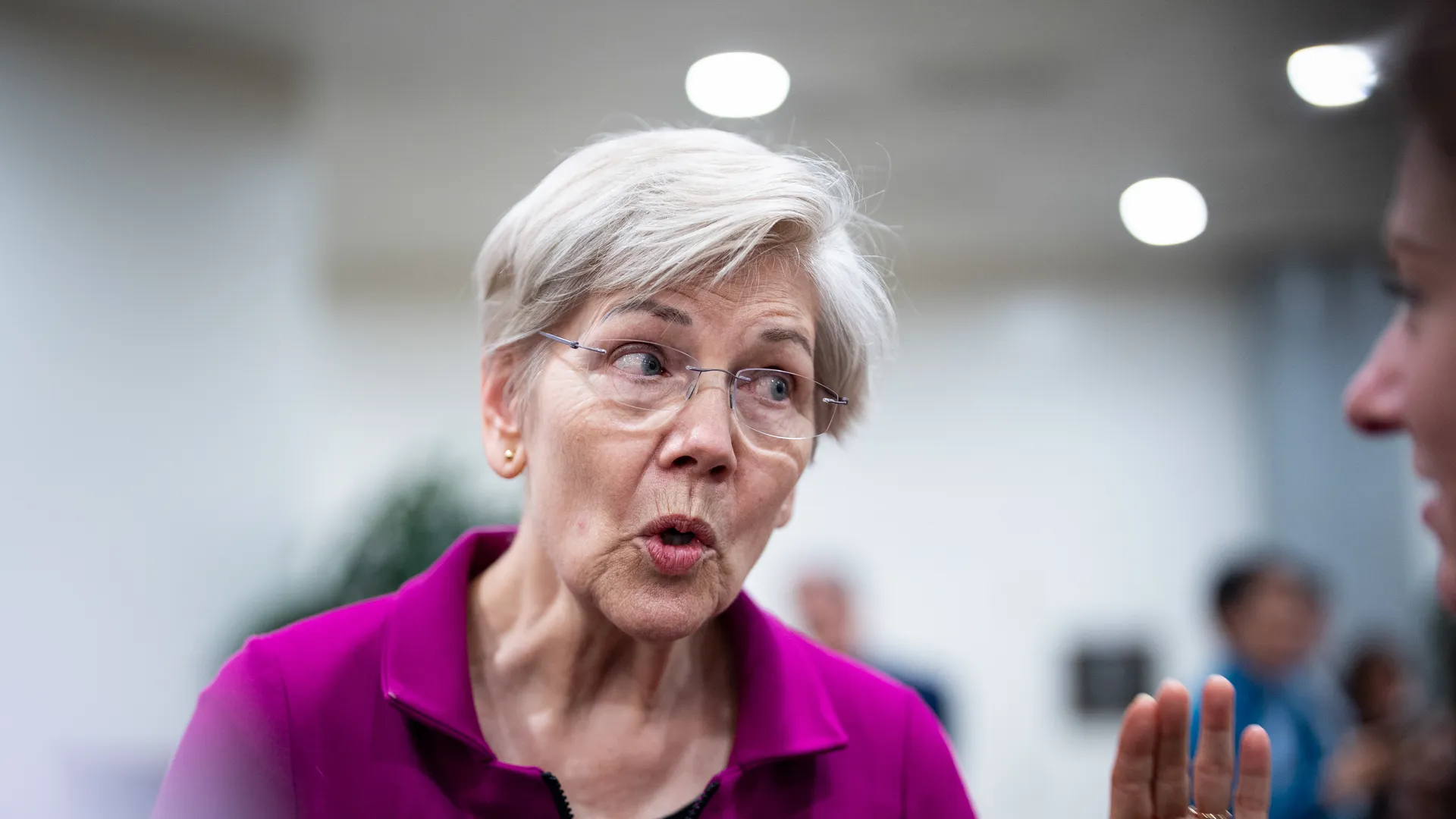
Senator Elizabeth Warren says she spoke directly with President Trump about capping credit card rates and housing affordability. The surprising call raises questions about potential bipartisan solutions.
In a surprising development, Senator Elizabeth Warren (D-MA) claimed Monday that she spoke directly with President Donald Trump following a public speech addressing the rising costs of living for American families.
Warren’s remarks spotlight bipartisan solutions to pressing economic issues, including capping credit card interest rates and expanding housing availability, while highlighting ongoing political tension between two long-standing foes.
Warren’s National Press Club Speech Sparks Call
According to Warren, her National Press Club speech, which criticized Trump for driving up costs for families and mishandling economic priorities, prompted a direct phone call from the president.
“This morning, I gave a speech noting how Donald Trump is driving up costs for families, sowing terror and chaos in our communities, and abusing his power to prosecute anyone who criticizes him,” Warren wrote on X. “After my speech, the President called me, and I delivered this same message on affordability to him directly.”
During the conversation, Warren reportedly urged Trump to use his influence to:
- Cap credit card interest rates through legislation or executive action
- Encourage House Republicans to pass the bipartisan ROAD to Housing Act, which passed the Senate unanimously and aims to build more affordable housing
“No more delays. It’s time to deliver relief for American families,” Warren emphasized.
Trump’s Stance on Credit Card Rates
While Trump has not publicly confirmed the phone call, his recent posts on Truth Social indicate he has been vocal about the same issue. On Friday, he called for a temporary one-year cap on credit card interest rates at 10%, citing consumer protection concerns:
“Please be informed that we will no longer let the American Public be ‘ripped off’ by Credit Card Companies that are charging Interest Rates of 20 to 30%, and even more… AFFORDABILITY! Effective January 20, 2026, I, as President of the United States, am calling for a one year cap on Credit Card Interest Rates of 10%.”
The proposed date coincides with the one-year anniversary of Trump’s administration, highlighting a potential symbolic alignment with his economic agenda.
Potential Challenges Ahead
Despite the apparent agreement on credit card reform, experts warn that implementing the cap could face political and financial hurdles:
- A Republican-majority Congress may resist measures that impact banks and credit institutions
- Financial markets reacted negatively over the weekend, with bank stocks dipping after Trump’s initial announcement
- It is unclear whether Trump intends to pursue the cap via legislation or executive order, complicating implementation
This raises questions about whether the phone call represents genuine bipartisan cooperation or a symbolic political gesture.
Analysis: A Rare Moment of Policy Alignment?
Political analysts note that the Trump-Warren interaction is unusual given the long-standing rivalry between the two leaders. Trump frequently mocks Warren publicly, most notably over her past claims of Native American heritage.
Yet, both leaders appear to share a focus on economic relief for consumers, particularly regarding high interest rates and the cost of housing. While some see this as a potential opening for cross-party collaboration, others remain skeptical given Trump’s unpredictable political style and the potential pushback from industry stakeholders.
Conclusion: Watching the Next Moves
Whether the phone call marks a breakthrough in bipartisan policy or a fleeting political moment, Americans will be watching closely. The stakes are high: millions of families struggle with rising credit card debt and housing costs, and Congress will play a critical role in determining whether affordable relief measures can become law.
For now, the conversation between Trump and Warren represents a rare intersection of political opposition and potential collaboration, even as uncertainty looms over its practical outcomes.