 By Trendsetter Tribune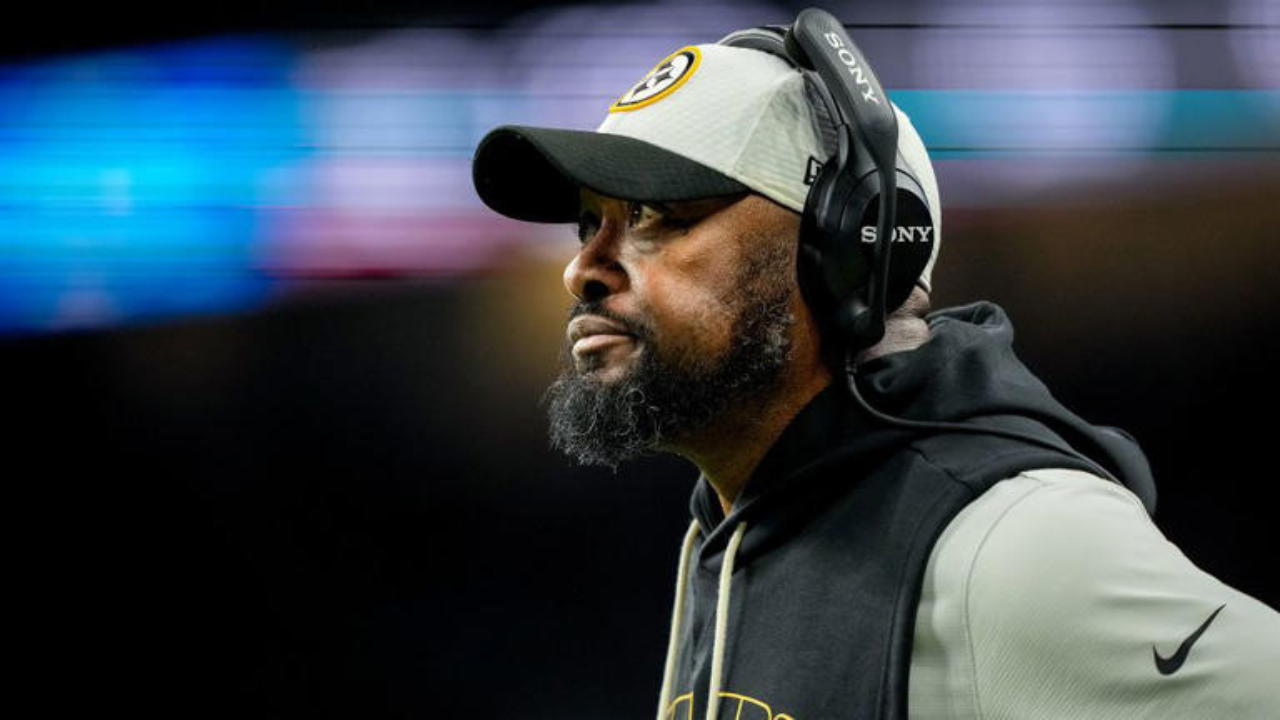
Mike Tomlin has stepped down as head coach of the Pittsburgh Steelers after 19 seasons, ending one of the most successful and stable eras in NFL history.
Few coaching tenures in modern professional sports rival the longevity, consistency, and stability of Mike Tomlin’s 19-year run with the Pittsburgh Steelers. His decision to step down marks the end of an era not only for the franchise, but for the NFL as a whole — a league defined by constant turnover at the head coaching position.
With Tomlin’s departure, the Steelers face a future without one of the most durable leaders in football history, while the league now contends with nine open head coaching jobs entering a critical offseason.
What Happened
Mike Tomlin officially announced Tuesday that he is stepping down as head coach of the Pittsburgh Steelers after 19 seasons leading the franchise.
“After much thought and reflection, I have decided to step down as head coach of the Pittsburgh Steelers,” Tomlin said in a statement. “The organization has been a huge part of my life for many years, and it has been an absolute honor to lead this team.”
Tomlin’s decision comes one day after Pittsburgh’s 30–6 loss to the Houston Texans in the wild-card round at Acrisure Stadium, a defeat that ended another playoff appearance but underscored lingering postseason struggles.
A Historic Run of Consistency
During his tenure, Tomlin compiled a 193–114–2 regular-season record and famously never recorded a losing season, a feat unmatched by any coach with comparable longevity in NFL history.
His most defining achievement came in the 2008 season, when he led the Steelers to victory over the Arizona Cardinals in Super Bowl XLIII, delivering the franchise’s sixth Lombardi Trophy. Two years later, Pittsburgh returned to the Super Bowl, falling to the Green Bay Packers in Super Bowl XLV.
Across nearly two decades, Tomlin guided the Steelers to:
- 13 playoff appearances
- Eight AFC North titles
- Two Super Bowl appearances
- One Super Bowl championship
Steelers president Art Rooney II praised Tomlin’s impact on the organization.
“His track record of never having a losing season in 19 years will likely never be duplicated,” Rooney said. “My family and I, and everyone connected to Steelers management, are forever grateful for the passion and dedication Mike Tomlin has devoted to Steelers football.”
A Rare Coaching Legacy in Pittsburgh
The Steelers are one of the NFL’s most stable franchises when it comes to leadership. Tomlin becomes just the third head coach to leave the team since 1969, following Chuck Noll and Bill Cowher.
Hired on January 22, 2007, at just 34 years old, Tomlin became the first Black head coach in franchise history. In his second season, he also became the youngest head coach ever to win a Super Bowl, a record later surpassed by Sean McVay.
Before arriving in Pittsburgh, Tomlin served as the Minnesota Vikings’ defensive coordinator during the 2006 season.
Recent Struggles and Timing
Despite regular-season success, postseason frustrations mounted in recent years. Monday night’s playoff loss to Houston was the Steelers’ latest early exit, adding to criticism that the franchise had plateaued competitively.
This season also featured quarterback Aaron Rodgers, yet Pittsburgh failed to make a deep playoff run, fueling speculation that major organizational change could be coming.
Tomlin, now 53, did not indicate whether he plans to pursue another coaching opportunity immediately.
What Comes Next for the Steelers
With Tomlin stepping down, Pittsburgh now faces the rare task of conducting a head coaching search — a process it has not undertaken in nearly two decades.
The opening adds to a growing list across the league, bringing the total to nine NFL head coach vacancies, setting up a competitive hiring cycle that could reshape the league’s coaching landscape.
In his farewell message, Tomlin expressed gratitude and optimism for the future.
“While this chapter comes to a close, my respect and love for the Pittsburgh Steelers will never change,” he said. “Coaching in Pittsburgh is unlike anywhere else.”
Conclusion
Mike Tomlin’s departure closes one of the most remarkable chapters in NFL coaching history — defined not by constant championships, but by relentless consistency, leadership, and stability in a league where such traits are increasingly rare.
As the Steelers look toward a new era, Tomlin leaves behind a standard that may never be replicated in Pittsburgh — or anywhere else in the modern NFL.