 By Trendsetter Tribune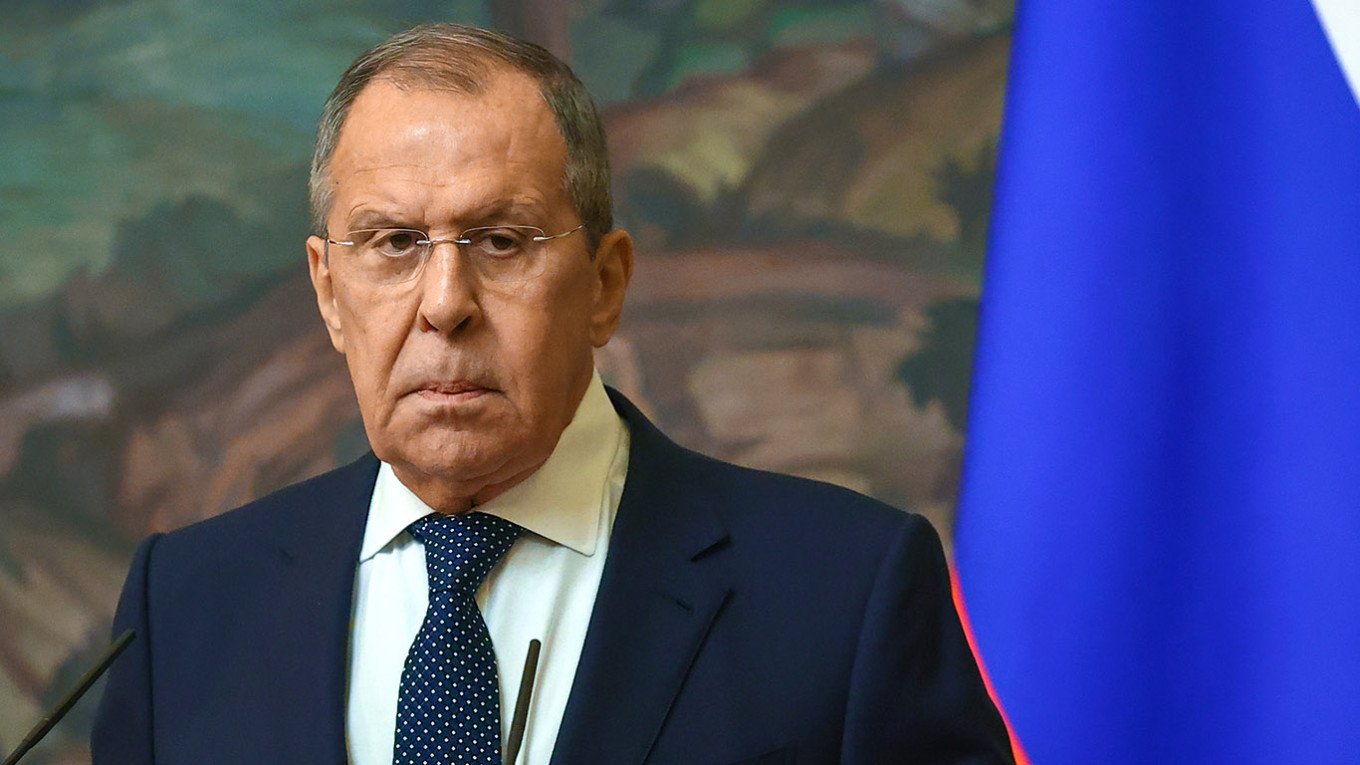
Russian Foreign Minister Sergey Lavrov blasted the United States after officials seized a Venezuelan oil tanker off the country’s coast — demanding Washington reveal the legal and factual basis behind the dramatic move.
Lavrov said the lack of transparency is unacceptable for nations affected by the decision.
“I really hope the United States will explain what facts led them to take such actions,” Lavrov said during an ambassadors’ roundtable in Moscow. “Out of respect for the world community, clarity is necessary.”
Lavrov argued that public information still doesn’t clearly show what U.S. law applies to the incident — or what violations officials believe occurred.
The tanker at the center of the storm
According to U.S. officials, the captured vessel — a Very Large Crude Carrier named Skipper — was sailing under a Guyanese flag and was intercepted near Venezuela while reportedly heading toward Cuba.
The ship had previously been sanctioned in 2022 under another name because of alleged ties to Iran, Hezbollah and illegal oil-shipping networks connected to sanctioned entities.
Former President Donald Trump publicly announced the operation, declaring:
“We’ve just seized a tanker on the coast of Venezuela — the largest one ever seized, actually.”
He later added, “I assume we’re going to keep the oil.”
A White House official framed the mission as a judicial enforcement action on a “stateless vessel,” emphasizing maritime law instead of military force.
White House press secretary Karoline Leavitt said the ship will be taken to a U.S. port, where legal proceedings will determine what happens to the cargo.
Critics — and outrage from Venezuela
Not everyone supported the move.
Senator Mark Warner questioned the decision, writing:
“So they can seize an oil tanker, but not a drug boat?”
Meanwhile, Venezuelan President Nicolás Maduro called the seizure “international piracy,” accusing Washington of trying to cripple Venezuela’s economy and control its resources.
“Stop the illegal and brutal intervention of the United States,” Maduro said. “This homeland belongs to the sovereign people of Venezuela.”
Venezuela has faced sweeping U.S. sanctions since 2019, hitting its oil industry hard. Once producing more than 2 million barrels per day, output is now estimated at roughly 1 million barrels daily.
What happens next?
Lavrov said Moscow plans to investigate and wants a detailed explanation from Washington.
With sanctions, disputed maritime law claims and geopolitical rivalry colliding, the dispute could escalate further — and the world is watching.