 By Trendsetter Tribune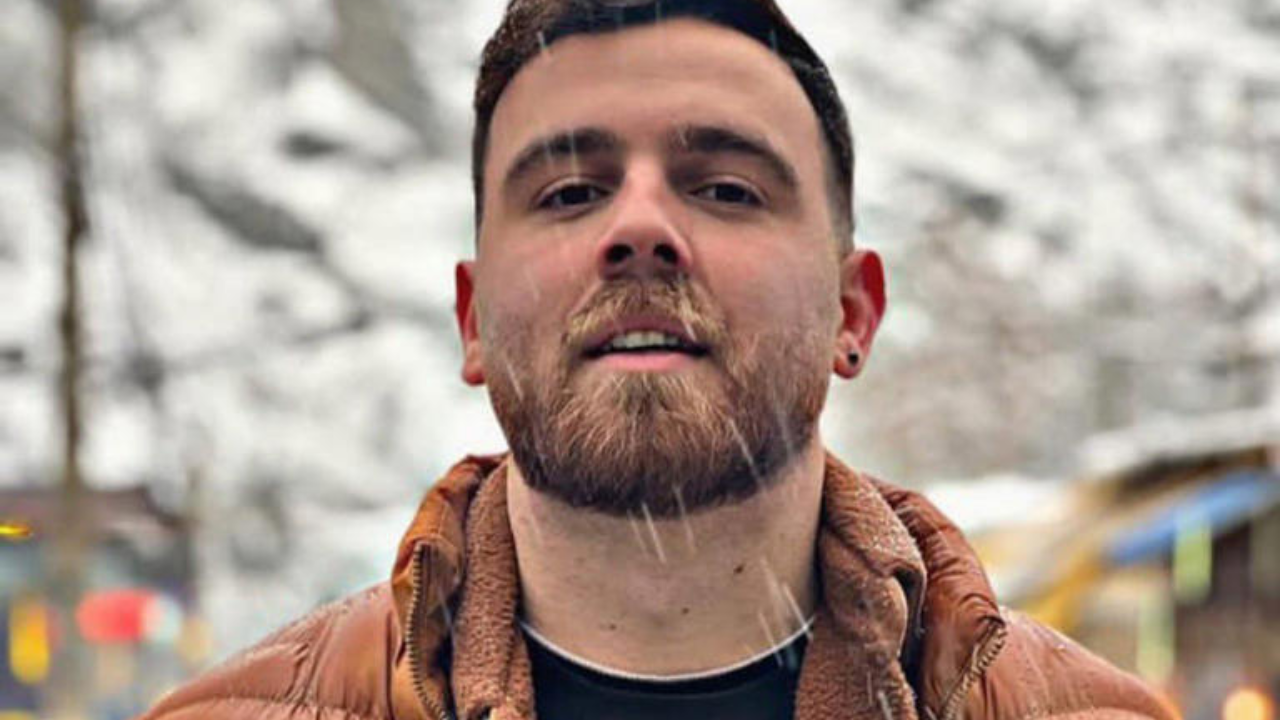
The family of Iranian protester Erfan Soltani is pleading for U.S. President Donald Trump to intervene after the 26-year-old was reportedly sentenced to death amid Iran’s escalating crackdown.
The family of a young Iranian protester sentenced to death is appealing directly to U.S. President Donald Trump to intervene, as Iran’s government accelerates executions amid a sweeping crackdown on nationwide demonstrations. The case of Erfan Soltani has become a flashpoint in the growing international debate over human rights, foreign pressure, and the consequences of escalating unrest inside Iran.
Who Is Erfan Soltani
Erfan Soltani, 26, is a clothing shop owner who was detained by Iranian authorities last week and is now “on the brink of execution,” according to Hengaw, a Norway-based Kurdish human rights organization.
Family members say Soltani was arrested near his home and was denied access to a lawyer or a fair trial. Just four days later, his family was informed that his execution had been scheduled — a timeline activists describe as unusually rapid.
Friends and relatives say Soltani was not an organizer or prominent protest leader and did not belong to any opposition group. According to his family, he participated in demonstrations calling for basic freedoms and never engaged in violence.
Family’s Plea to Trump
A cousin of Soltani, who identified herself as Somayeh, publicly urged President Trump to act, saying Iranians had taken to the streets partly because of his public statements warning Tehran against executing protesters.
“Our demand now is that Trump truly stand behind the words he said,” Somayeh told CNN. “The Iranian people came to the streets based on those statements.”
Speaking despite personal risk, she added: “An unarmed population trusted these words and is now under gunfire. I beg you, please do not let Erfan be executed. Please.”
Family members were reportedly traveling to Tehran’s Ghezel Hesar Prison late Tuesday night, though no updates have since been confirmed.
Trump’s Warnings to Tehran
President Trump has repeatedly warned Iran that executing protesters would cross a U.S. red line.
“We will take very strong action,” Trump said Tuesday, according to The Telegraph. “If they do such a thing, we will take very strong action.”
He added that while protests themselves were not the issue, the killing and execution of demonstrators would provoke consequences. Trump has also imposed 25% tariffs on any country trading with Iran and has threatened military action if the crackdown continues.
Reuters reported that some personnel at the U.S. air base at al-Udaid in Qatar were advised to leave the area by Wednesday evening, underscoring heightened regional tensions.
Escalating Crackdown in Iran
Human rights groups estimate that more than 2,570 people have been killed in Iran’s escalating crackdown on protests. Soltani is believed to be the first known case of an execution order during the current wave of unrest.
Arina Moradi of Hengaw told The Telegraph that Soltani’s case reflects a familiar pattern.
“This is the quickest we have seen a case move,” Moradi said. “This is the pattern of the Islamic Republic — for the judiciary to swiftly punish protesters with the death penalty. This will certainly not be a single case.”
Iran’s judiciary chief, Gholamhossein Mohseni Ejei, said Wednesday that trials of protesters would be fast-tracked and conducted publicly, according to Iranian state media. He dismissed the demonstrations as “riots” and argued that swift punishment was necessary.
Allegations of Coerced Confessions
Activists say Iranian state media has aired at least 97 confessions from detained protesters since December 28. According to the Human Rights Activists News Agency (HRANA), those confessions were coerced through physical or psychological torture.
“These rights violations compound on top of each other and lead to horrible outcomes,” said Skylar Thompson, HRANA’s deputy director. “This is a pattern that’s been implemented by the regime time and time again.”
International Pushback
Iran’s ambassador to the United Nations, Amir Saeid Iravani, accused President Trump of encouraging instability and threatening Iran’s sovereignty in a letter to the UN Security Council, according to diplomatic sources cited by The Telegraph.
The Iranian government has repeatedly claimed that protests are driven by foreign interference, including by the United States and Israel — allegations human rights groups strongly dispute.
Conclusion
As Erfan Soltani’s execution date reportedly approaches, his case has become a symbol of Iran’s intensified crackdown and the limits of international pressure. Whether President Trump chooses to act — and whether Tehran responds — could determine not only Soltani’s fate, but also the trajectory of Iran’s response to the unrest gripping the country.