 By Trendsetter Tribune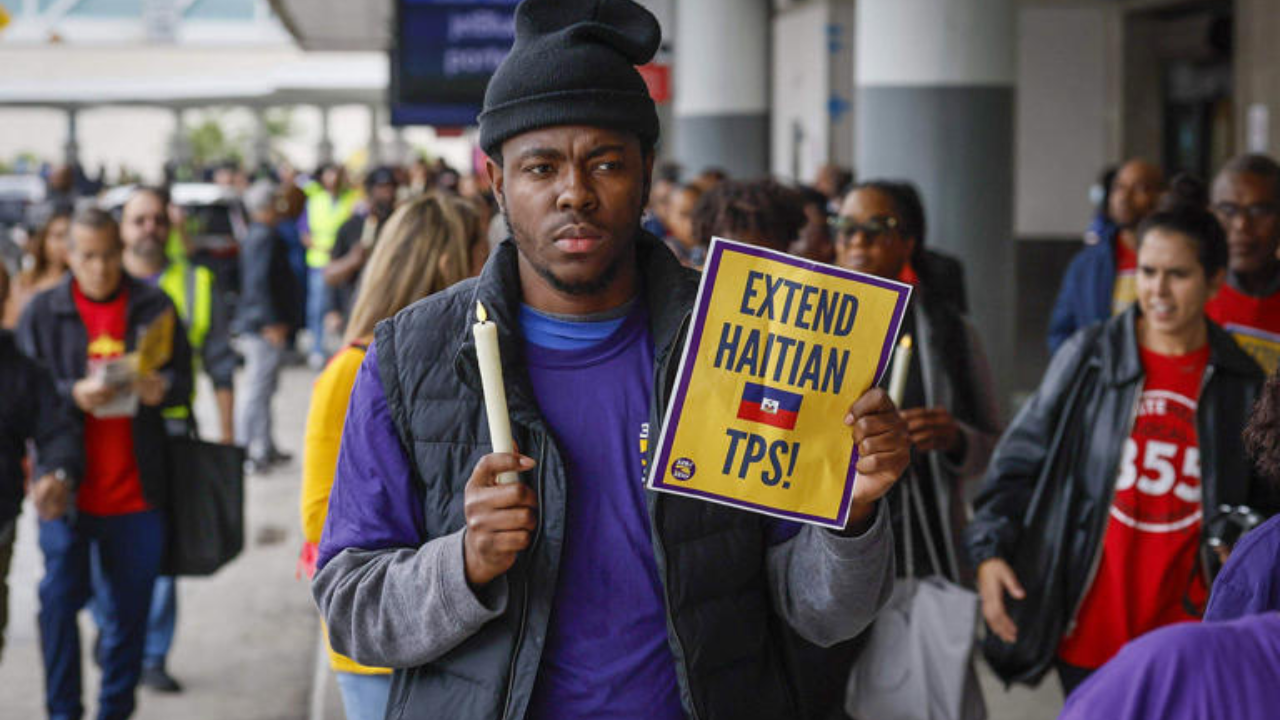
In a pivotal legal turn of events, a federal judge has indefinitely postponed the termination of Temporary Protected Status (TPS) for hundreds of thousands of Haitians living in the United States.
This ruling comes at the final hour, as the legal protections for this community were scheduled to vanish by Tuesday night. Here is a breakdown of what this decision means for Haitian families, the legal landscape, and the ongoing immigration debate.
The Ruling: A Legal Shield for 330,000 People
Judge Ana C. Reyes of the U.S. District Court for the District of Columbia issued the order on Monday, effectively pausing the Department of Homeland Security’s (DHS) plan to end the program.
According to the ruling, the termination of TPS is now “null, void, and of no legal effect” until a full judicial review is completed. This brings immediate relief to the roughly 330,000 Haitians currently holding the status.
Key Protections Maintained:
- Work Authorization: Employment permits remain valid and active.
- Protection from Deportation: Recipients cannot be removed from the U.S. while the stay is in place.
- Protection from Detention: Legal status guards individuals against immigration arrests.
A Direct Challenge to the Administration
The decision pauses a directive from DHS Secretary Kristi Noem, who had moved to finalize the termination. While the White House and DHS have yet to offer an official comment on the ruling, the administration’s stance has been clear.
DHS Assistant Secretary Tricia McLaughlin previously stated that TPS was “never intended to be a de facto asylum program,” urging recipients to utilize government resources to arrange for their departure. However, Judge Reyes not only stayed the termination but also denied the government’s motion to dismiss the legal challenge against them.
Why Haiti Qualifies for TPS
TPS is a humanitarian tool used when a country’s conditions—such as war, natural disasters, or civil strife—make it impossible for citizens to return safely.
| Event | Impact on Haiti |
| 2010 Earthquake | Magnitude 7.0; over 500,000 casualties; crippled infrastructure. |
| Political Upheaval | Ongoing gang violence and government instability. |
| Natural Disasters | Multiple hurricanes and subsequent earthquakes. |
Haiti was first designated for the program by the Obama administration in 2010. While the Trump administration attempted to end the status during his first term, and again during the summer of 2025, legal battles have consistently extended the deadline to the current date.
The Human Impact and Political Climate
The ruling arrives during a period of heightened tension for the Haitian community. Recently, cities like Springfield, Ohio, became flashpoints for immigration rhetoric. Despite local officials and police refuting unfounded claims regarding the community, the fear of enforcement actions has remained high.
For many Haitians, this isn’t just a policy debate—it’s about survival. Returning to Haiti right now would mean entering a nation still struggling with extreme volatility.
What Happens Next?
While the stay is “indefinite,” it is not permanent. It remains in place “pending judicial review.” This means the courts will now take a deeper look at whether the administration followed proper legal procedures in its attempt to end the program.
For now, Haitian TPS holders can continue to work and live in the U.S. without the immediate threat of deportation.
Important Note: If you or a loved one are currently under TPS, ensure your documentation is up to date and consult with an immigration professional regarding the specific impacts of this stay on your work permit.