 By Trendsetter Tribune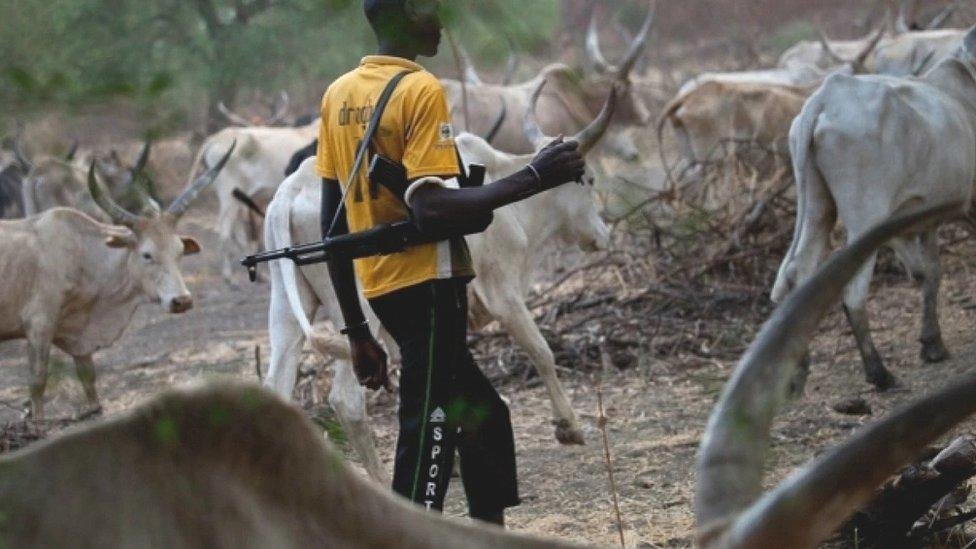
Recent reports from March 1, 2026, highlight a significant escalation in violence involving Fulani militants, particularly in Nigeria’s Middle Belt. This conflict, which has evolved from resource-based disputes into complex ethno-religious warfare, continues to result in mass casualties and widespread displacement.
- Systematic Campaign of Violence: Data from the Observatory for Religious Freedom in Africa (ORFA) indicates that the Fulani Ethnic Militia (FEM) has become one of Nigeria’s deadliest non-state armed groups. Between 2019 and late 2024, FEM was reportedly responsible for nearly 47% of all civilian killings in the country—dwarfing the combined toll of Boko Haram and ISWAP.
- Targeting of Christian Communities: While the conflict is often framed as a “herder-farmer” dispute over grazing land and water, recent reports emphasize a targeted “terror campaign” against predominantly Christian farming settlements. In states like Plateau, Benue, and Kaduna, militants have been accused of invading villages at night to kill, rape, and abduct residents, often burning homes and occupying ancestral lands.
- Expansion into Kogi State: The recent massacre in Igalamela-Odolu, Kogi State, where over 15 people were killed and many more kidnapped, reflects the southern expansion of these militant activities. Kogi’s dense forests are increasingly being used as operational bases for “sleeper cells” and bandit groups of Fulani descent.
- Impunity and Government Response: The Nigerian government, led by President Bola Tinubu, faces intense criticism for failing to curb the violence. International observers and local leaders have expressed concern over a “culture of impunity,” noting that security forces often arrive after attacks have concluded. In some cases, communities have begun forming regional vigilante outfits, such as Operation Amotekun, out of a perceived need for self-defense.
- International Pressure: The situation has drawn global attention, with the U.S. government under President Trump previously threatening “humanitarian intervention” to address what he characterized as “Christian genocide.” While the Nigerian government disputes this characterization, it has recently begun more intensive military operations and search-and-rescue missions in affected areas.
The crisis has led to the displacement of over 3.4 million Nigerians, creating a massive humanitarian emergency in internal displacement (IDP) camps that are often ill-equipped to care for the traumatized survivors. Viewers Discretion Is Highly Advice