 By Trendsetter Tribune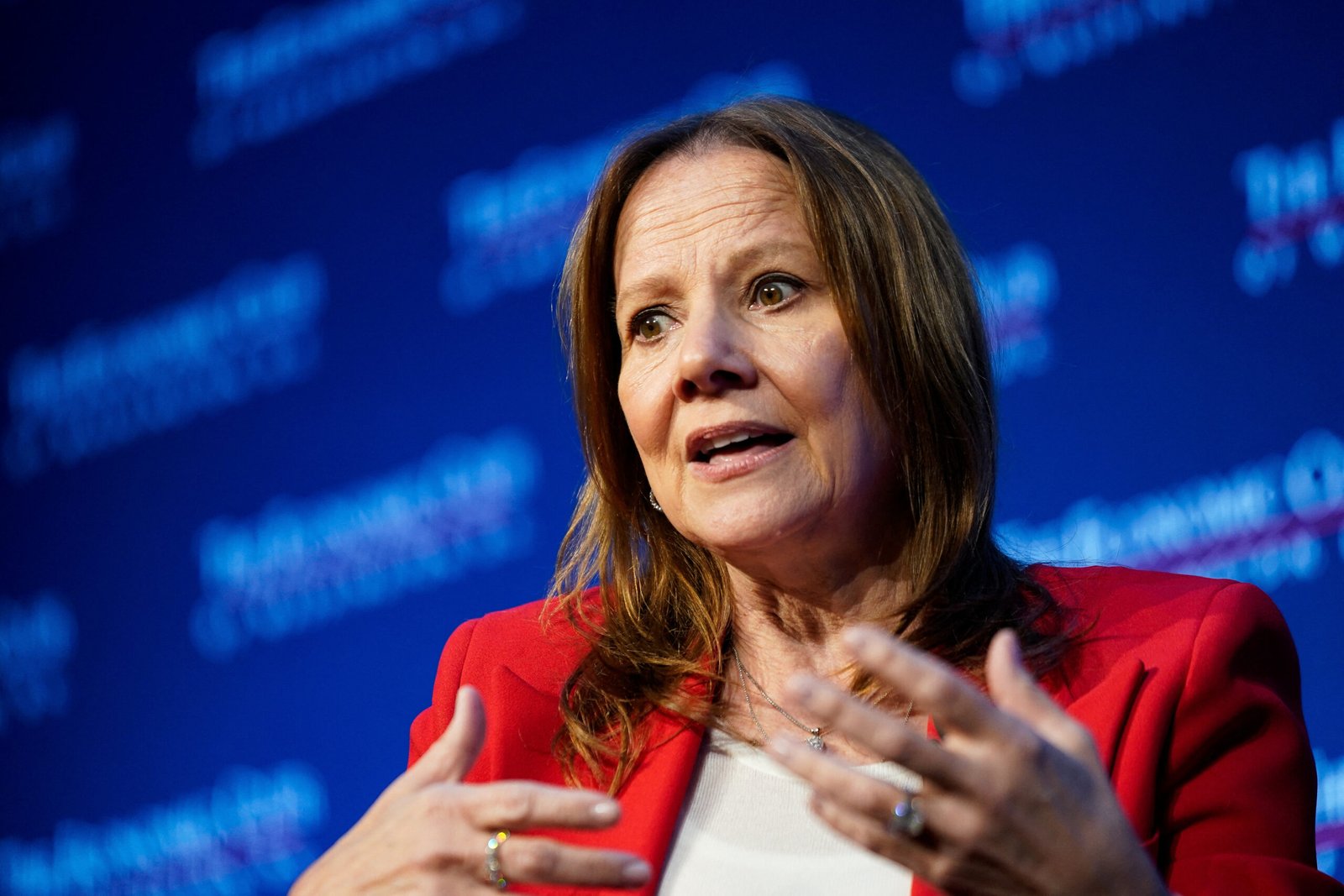
General Motors Chief Executive Mary Barra has raised concerns over Canada’s recent deal to allow tens of thousands of inexpensive Chinese electric vehicles (EVs) into the country, warning it could threaten North American auto manufacturing.
Speaking to employees during an all-hands meeting Tuesday, Barra said the agreement undermines efforts to build a strong industrial base on the continent and protect both jobs and national security. “I can’t explain why the decision was made in Canada,” she said. “It becomes a very slippery slope.”
Barra highlighted that Chinese automakers benefit in their home market from high tariffs on imported vehicles and strict technology restrictions, making the deal appear one-sided.
Details of the agreement remain limited. Under the preliminary plan, Canada will allow up to 49,000 Chinese EVs into the country this year at a reduced tariff of 6.1%, instead of the 100% duty previously applied. Officials say this volume accounts for less than 3% of new car sales in Canada, but they expect it will encourage significant joint-venture investments from Chinese automakers.
By 2030, at least half of the imported EVs are expected to have a price of 35,000 Canadian dollars (around $26,000). The Canadian government plans to work closely with Chinese manufacturers to ensure all vehicles meet national safety standards.
Barra’s warning reflects broader concerns about North America’s intertwined automotive supply chain. Canada is a key market for U.S. automakers, with Detroit-based companies selling more than 700,000 vehicles there in 2025 alone. Its safety and emissions standards closely align with U.S. regulations, meaning vehicles imported into Canada could easily enter the U.S. market.
Chinese automakers have already expanded rapidly in Mexico, where they accounted for roughly 25% of new vehicle sales in 2025. The prospect of similar growth in Canada is raising alarms among U.S. industry leaders and policymakers.
GM declined to comment further, but Barra’s remarks underscore ongoing tensions as North American automakers navigate growing competition from Chinese EV manufacturers.