 By Trendsetter Tribune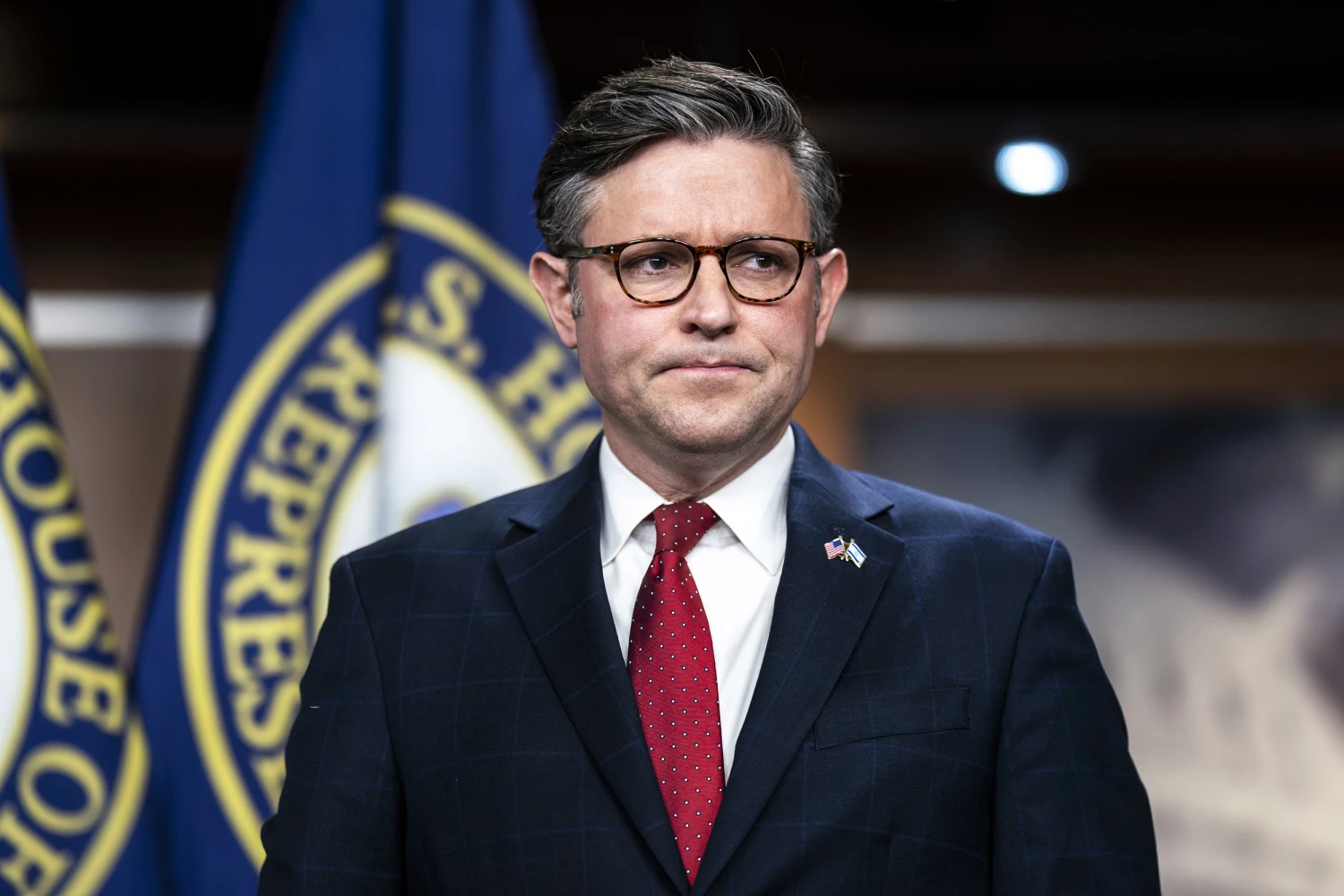
Republican leaders are grappling with missed House votes and internal frustration as campaigning lawmakers strain the party’s already-thin majority.
Republican leaders in the U.S. House are facing growing challenges maintaining party discipline and attendance as the GOP’s narrow majority is tested by illness, injuries, and lawmakers campaigning for higher office. Recent missed votes have exposed how slim margins can quickly derail legislative plans and heighten internal tensions within the conference.
The issue came into focus this week as several House Republicans were absent during key votes, contributing to legislative setbacks and forcing party leaders to pull multiple bills from the floor.
Campaign Trail Absences Draw Scrutiny
Rep. Wesley Hunt of Texas, who is running for the U.S. Senate, missed several votes while campaigning, including on Tuesday when a Republican-backed labor measure failed and two additional bills were withdrawn amid defections and absences.
Hunt’s missed votes reportedly prompted concern among House leadership. Speaker Mike Johnson and other senior figures have pressed Hunt directly about his attendance, according to reports.
Hunt told NBC News that he remains committed to voting when needed and said he would return to Washington when leadership calls him back, noting that he flew in last week for a key procedural vote.
Still, his absences have frustrated some Republicans, particularly given the party’s slim margins.
Comparisons Highlight Internal Frustration
The irritation has been compounded by examples of lawmakers making extraordinary efforts to attend votes. Rep. Jim Baird of Indiana appeared on the House floor this week wearing a neck brace, just days after being injured in a car crash.
The contrast has underscored frustrations among senior Republicans who worry that even brief absences can jeopardize their ability to pass legislation.
With margins so tight, every vote has become critical.
Leadership Emphasizes Health and Presence
Speaker Johnson has responded to the situation by stressing the importance of member health and attendance, adopting a notably direct tone in conversations with colleagues.
According to multiple accounts, Johnson has urged lawmakers to avoid unnecessary risks and prioritize their ability to be present for votes.
“No adventure sports, no risk taking, take your vitamins, and stay healthy and be here,” Johnson told members, according to remarks relayed by lawmakers.
The comments reflect growing concern that unforeseen absences could quickly tip the balance of power on the House floor.
Thin Margins Amplify Risks
Rep. Tim Burchett of Tennessee summed up the precarious situation bluntly, noting how close the House majority has become.
“We’re one flu season away from losing the majority,” Burchett said.
On several recent voting days, more Democrats than Republicans were present on the floor, effectively neutralizing the GOP’s numerical advantage and limiting the party to modest legislative wins. One such victory included passage of a bill easing federal showerhead efficiency rules.
Beyond that, leadership has struggled to advance more ambitious priorities without full attendance.
Democrats Seize on Republican Disarray
Democrats have openly highlighted the Republican attendance issues, framing them as evidence of dysfunction within the majority. Minority Leader Hakeem Jeffries mocked Republicans, saying they were unable to “organize a two-car funeral.”
Democrats are also encouraged by potential shifts in the House balance. According to CNN, Democrats are poised to add a seat in Texas, with additional special elections expected in the coming months.
The developments have fueled optimism among Democrats about expanding their numbers ahead of the midterm elections.
Majority Under Constant Pressure
For Republicans, the situation underscores how campaigning, health issues, and unexpected events can quickly undermine control of the chamber when margins are razor-thin. Leadership’s challenge is not only advancing policy priorities but also ensuring members are physically present to vote.
As more lawmakers pursue Senate bids or other political opportunities, attendance is likely to remain a sensitive issue. With little room for error, House Republicans face ongoing pressure to maintain unity, discipline, and full participation—or risk watching their legislative agenda stall further.