 By Trendsetter Tribune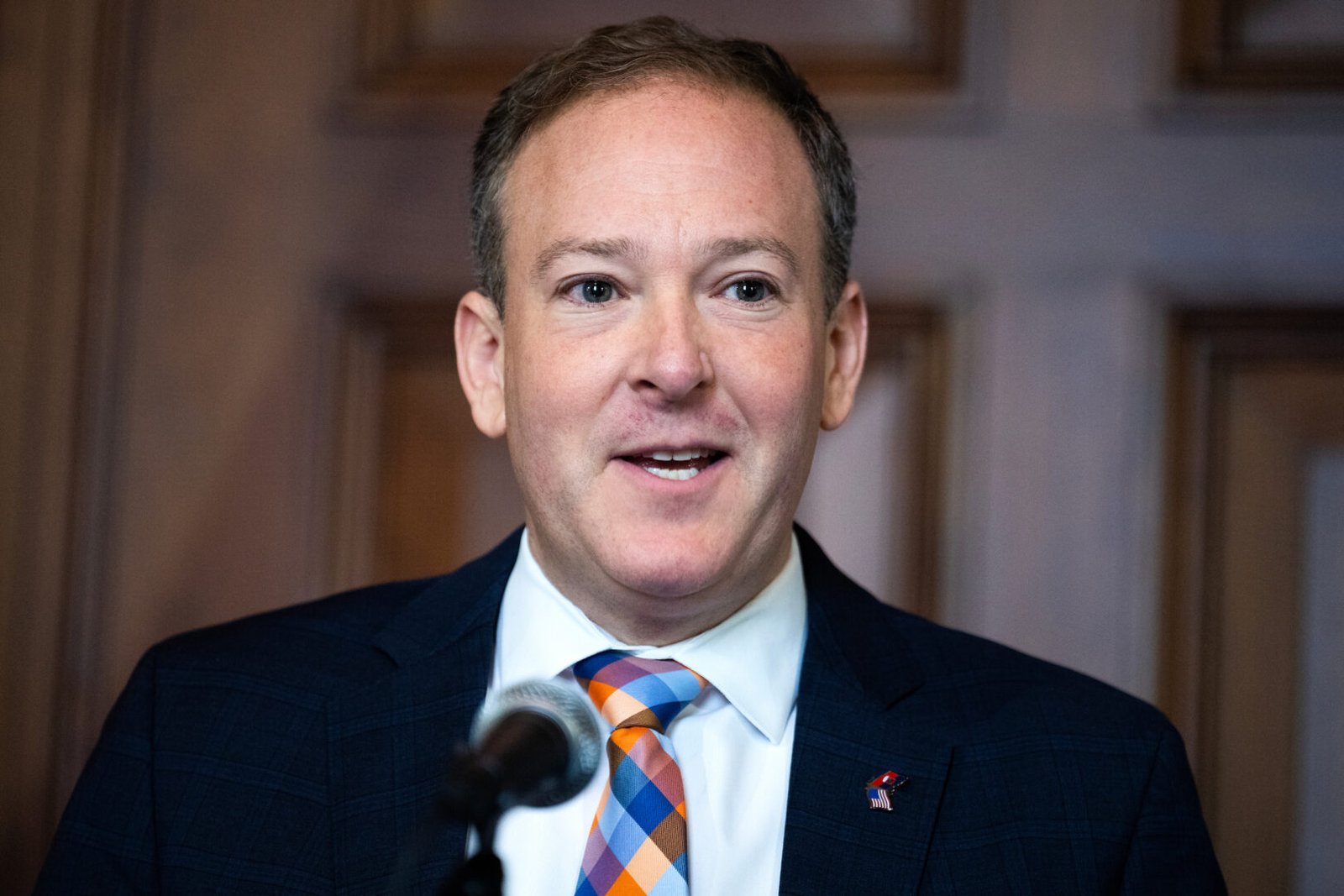
On Wednesday, February 18, 2026, a broad coalition of more than a dozen public health and environmental non-profits filed a federal lawsuit against the Environmental Protection Agency (EPA) and its administrator, Lee Zeldin. The legal challenge, filed in the D.C. Circuit Court of Appeals, aims to block the Trump administration’s recent revocation of the “Endangerment Finding,” a 2009 landmark determination that established greenhouse gases as a threat to public health.
The rollback is being called the “single largest deregulatory action in American history” by the administration, but critics warn it effectively strips the government of its primary legal tool to fight climate change.
The Legal Battle: Science vs. Deregulation
The plaintiffs—including the Sierra Club, Natural Resources Defense Council (NRDC), and the American Lung Association—argue that the EPA is abdicating its mandatory duties under the Clean Air Act.
- The Finding: The 2009 Endangerment Finding was the bedrock for nearly all federal climate regulations, including fuel efficiency standards and limits on power plant emissions.
- The Violation: Lawyers from Earthjustice and the Clean Air Task Force argue that the EPA cannot simply ignore decades of peer-reviewed science that confirms the dangers of heat-trapping pollution.
- The “Climate Working Group” Scandal: The lawsuit highlights a recent federal court ruling which found that the administration unlawfully formed a secret “Climate Working Group” to produce a slanted report used as a pretext for this repeal.
Zeldin vs. The “Climate Religion”
EPA Administrator Lee Zeldin has been a vocal critic of the finding, famously referring to it as the “Holy Grail of climate change religion” during his confirmation process.
- The Administration’s Stance: Zeldin argues that the Obama and Biden administrations used the finding to “steamroll” a left-wing agenda that “strangled” the American auto industry and raised consumer costs.
- Projected Savings: The EPA claims the repeal will save American taxpayers $1.3 trillion by 2055 by eliminating emissions monitoring and compliance costs.
- The Scientific Rebuttal: Dr. Gretchen Goldman, president of the Union of Concerned Scientists, countered that the move is “rooted in falsehoods, not facts,” and noted that the transportation sector remains the largest source of U.S. emissions.
Comparison of Arguments
| Issue | Trump/Zeldin EPA Position | Environmental/Health Groups Position |
| Legal Authority | Clean Air Act doesn’t authorize “global” regulation; only local/regional. | Supreme Court ruled in 2007 (MA v. EPA) that CO2 is a pollutant. |
| Economic Impact | Saves $1.3 trillion in regulatory and vehicle costs. | Repeal creates $1.5 trillion in costs from fuel inefficiency and health risks. |
| Public Health | “Has nothing to do with public health” — Pres. Trump. | Triggers more asthma attacks, heat-related deaths, and wildfires. |
What’s Next for the EPA?
The repeal is set to take effect 60 days after it is published in the Federal Register. However, the D.C. Circuit Court could issue an emergency stay to prevent the rule from being implemented while the lawsuit proceeds. Legal experts predict the case is almost certainly headed to the Supreme Court, where a conservative majority will decide the future of the EPA’s power to regulate the atmosphere.