 By Trendsetter Tribune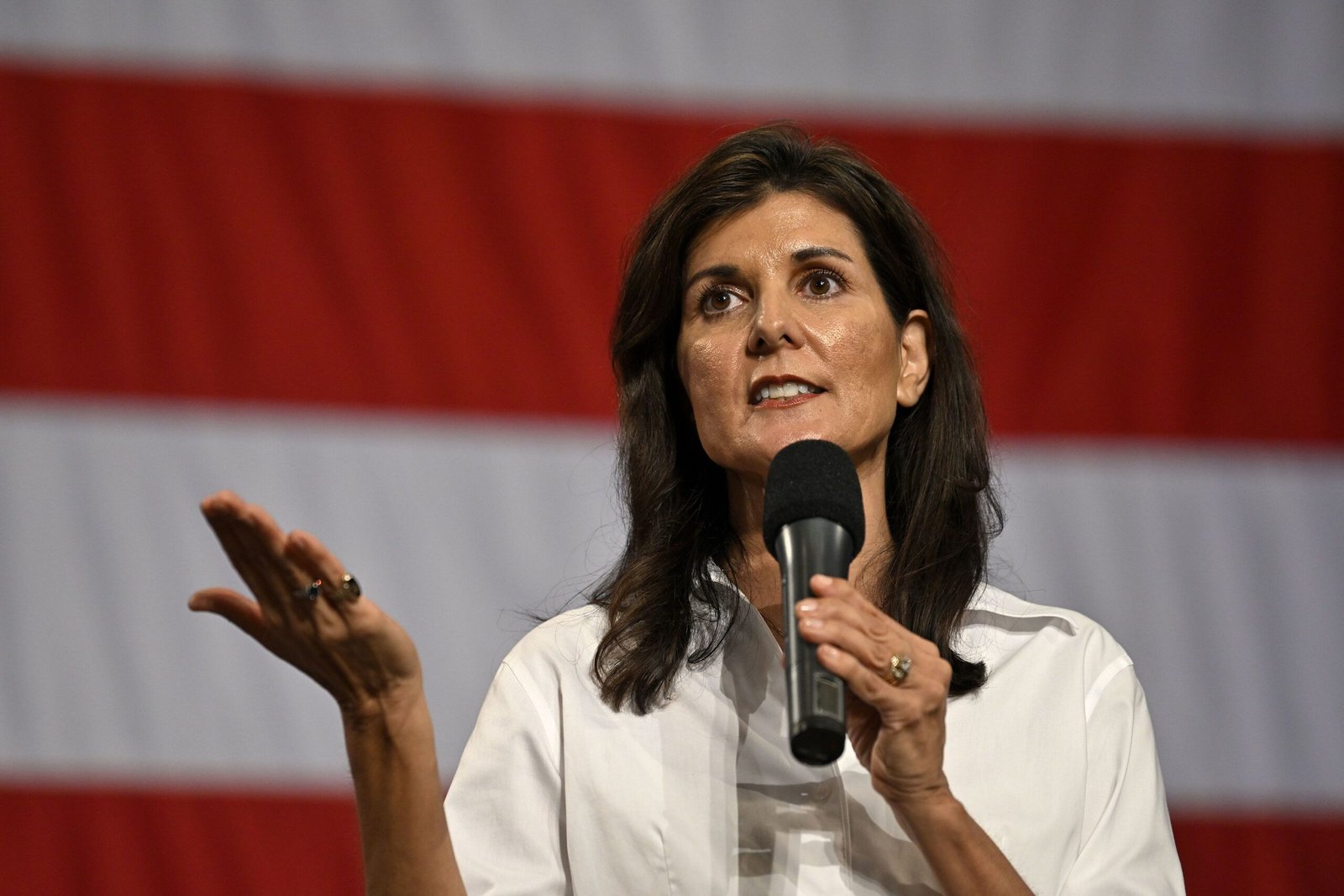
Former South Carolina Governor Nikki Haley issued a stark warning on Tuesday, Feb. 10, stating that Republicans risk losing ground in the 2026 midterms unless they aggressively address the “affordability crisis” facing American families.
Speaking with Fox News’s Bret Baier, Haley criticized the current administration’s move away from traditional fiscal conservatism, arguing that the focus on the value of the dollar and household savings has vanished.
The Cost of Trade Policies
While the White House has promoted its trade agenda as a win for American industry, the financial burden on consumers is mounting. Recent data from the nonpartisan Tax Foundation highlights the following:
- 2025 Impact: Tariffs on imports from major partners like Canada, Mexico, and China cost the average U.S. household $1,000 last year.
- 2026 Forecast: If current policies remain, that cost is projected to rise to $1,300 per household this year.
- Economic Trade-off: The Tax Foundation notes these tariffs represent the largest tax increase as a percentage of GDP since 1993, potentially neutralizing the benefits of recent tax cuts.
Jobs Report: A January Surge
Despite Haley’s concerns about “flattening” jobs, the Bureau of Labor Statistics (BLS) released a surprisingly strong report on Wednesday, Feb. 11.
- New Jobs: The U.S. added 130,000 jobs in January 2026.
- Sectors: Gains were led by health care (+82,000) and construction (+33,000), while federal government payrolls saw a decline.
- Context: This surge follows a stagnant 2025 where job growth averaged only 15,000 per month.
Voter Sentiment vs. Market Success
Haley emphasized that traditional metrics, like the stock market, are failing to reflect the daily reality for many voters.
“You can’t look at the stock market and say the economy is doing well,” Haley argued. “You still have people who can’t deal with rent… if Americans don’t feel like there is some hope with their wallets, we will lose.”
Recent polling supports her urgency. A late-January Fox News survey found that only 24% of Americans feel financially better off than they were a year ago, with a vast majority reporting their situation has either stalled or worsened.