 By Trendsetter Tribune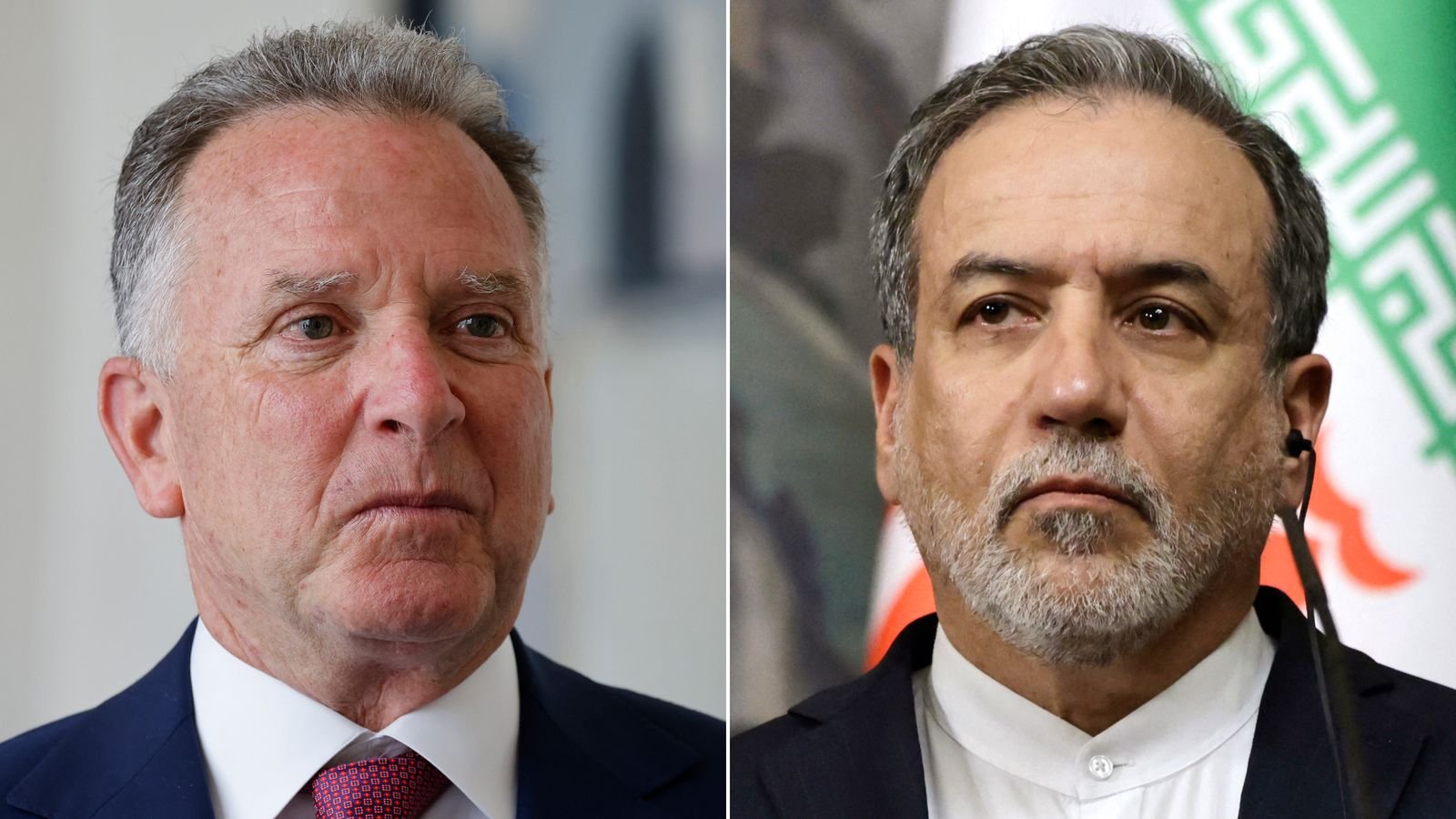
With tensions in the Middle East at a boiling point, American and Iranian negotiators gathered in Muscat today for a critical round of indirect talks. This meeting is being seen by many as a “last-ditch” effort to prevent a full-scale military conflict following months of escalating threats and military maneuvers.+1
A “Very Good Start” Under Heavy Pressure
The talks, mediated by Oman, wrapped up late Friday afternoon. Iranian Foreign Minister Abbas Araghchi described the sessions as a “very good start,” though he noted that they are “over for now” as negotiators return to their respective capitals to consult with leadership.
Oman’s Foreign Ministry characterized the discussions as “serious” and focused on creating the “appropriate conditions” to resume formal diplomatic and technical negotiations.
Who Was at the Table?
In a significant move that highlights the seriousness of the situation, the delegations included high-level figures and, for the first time, a top military commander:
- The U.S. Delegation: Led by Special Envoy Steve Witkoff and Jared Kushner, President Trump’s son-in-law.
- The Military Presence: U.S. Navy Admiral Brad Cooper, head of Central Command (CENTCOM), also attended. His presence is widely viewed as a signal that Washington is prepared for military action if diplomacy fails.
- The Iranian Delegation: Led by Foreign Minister Abbas Araghchi, who has insisted that the talks remain strictly focused on the nuclear issue.
What’s at Stake?
The primary goal of the Muscat talks is to find a framework to de-escalate the standoff over Iran’s nuclear program. However, a major “tug-of-war” remains regarding the scope of future negotiations:
- The U.S. Position: Secretary of State Marco Rubio has emphasized that any long-term deal must address Iran’s ballistic missile program, its support for regional militias (like Hezbollah and Hamas), and its internal human rights record.
- The Iranian Position: Tehran wants to limit the conversation to nuclear enrichment and the lifting of economic sanctions, refusing to negotiate on its defense capabilities or regional influence.
The “Armada” in the Background
The diplomacy is happening against the backdrop of a massive U.S. military buildup. President Trump has deployed what he calls a “beautiful armada”—including the aircraft carrier USS Abraham Lincoln—to the region. Trump has issued stark warnings, stating that the Iranian leadership “should be very worried” if a deal isn’t reached.+2
While today’s talks staved off an immediate strike, the region remains on edge as both sides wait to see if these “consultations” can turn into a lasting peace.