 By Trendsetter Tribune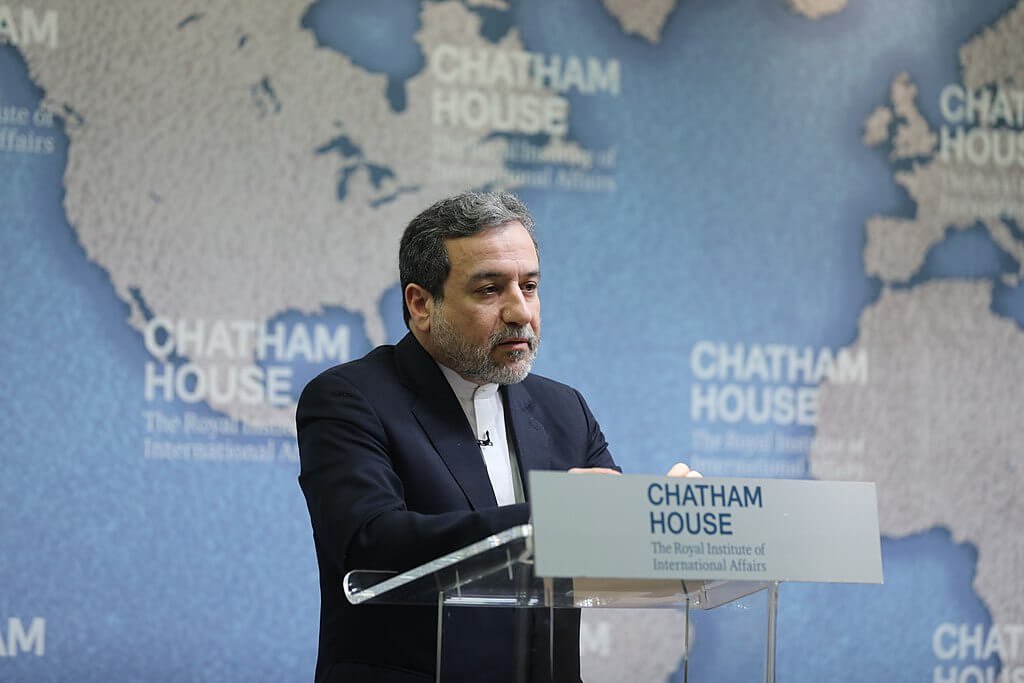
In a pivotal moment for global diplomacy, Iranian Foreign Minister Abbas Araghchi announced on Tuesday, February 17, 2026, that Iran and the United States have reached a “general agreement” on guiding principles aimed at resolving their nuclear standoff. The talks, held in Geneva, come under the immediate shadow of a massive U.S. military buildup and repeated threats of preemptive strikes from the Trump administration.
While Araghchi cautioned that a final deal is not imminent, he described the second round of Omani-mediated indirect negotiations as having a significantly “more constructive” atmosphere than previous attempts.
The “Guiding Principles” Agreement
The breakthrough involves an understanding of the main principles that will serve as the roadmap for drafting a formal text. While the specific details remain confidential, several key points emerged from the Tuesday session:
- IAEA Verification: A central focus of the Geneva round was the full return of International Atomic Energy Agency (IAEA) inspectors to Iranian sites, especially those damaged during U.S. airstrikes in June 2025.
- The “60% Enrichment” Compromise: Iran has reportedly offered to dilute its stockpile of uranium enriched to 60% purity as a gesture of flexibility. However, Araghchi remains firm that Iran will not accept a “zero enrichment” policy on its own soil.
- Sanctions Relief for Economic Ties: Tehran is pushing for a “prosperity package” that would embed U.S. commercial interests (such as aircraft purchases and energy investments) directly into the Iranian economy to create a lobby against future sanctions.
Diplomacy Under the Shadow of Force
The talks are unfolding against a backdrop of “maximum pressure” military posturing by Washington.
- Carrier Deployment: Just days before the talks, the USS Gerald R. Ford was dispatched to the Middle East, joining a carrier strike group already in the region.
- Trump’s Ultimatum: On Monday, the President warned that Iran must strike a deal or face “very traumatic” consequences, citing the effectiveness of B-2 bomber strikes on nuclear targets last year.
- Omani Mediation: The talks are being facilitated by Omani Foreign Minister Badr Albusaidi, with U.S. envoys Steve Witkoff and Jared Kushner leading the American side from separate rooms.
“This does not mean that we can reach an agreement quickly, but at least the path has begun.” — Abbas Araghchi, Iranian Foreign Minister
Key Players & Stakes (Feb 2026)
| Entity | Key Figure | Stance |
| United States | Jared Kushner / Steve Witkoff | Demand full dismantling of enrichment and regional proxy freezes. |
| Iran | Abbas Araghchi | Seeks “fair and equitable” deal with immediate sanctions relief. |
| IAEA | Rafael Grossi | Demands “unfettered access” to verify Iran’s claims of peaceful intent. |
| Israel | Benjamin Netanyahu | Pressing the U.S. for a deal that includes a total ban on ballistic missiles. |