 By Trendsetter Tribune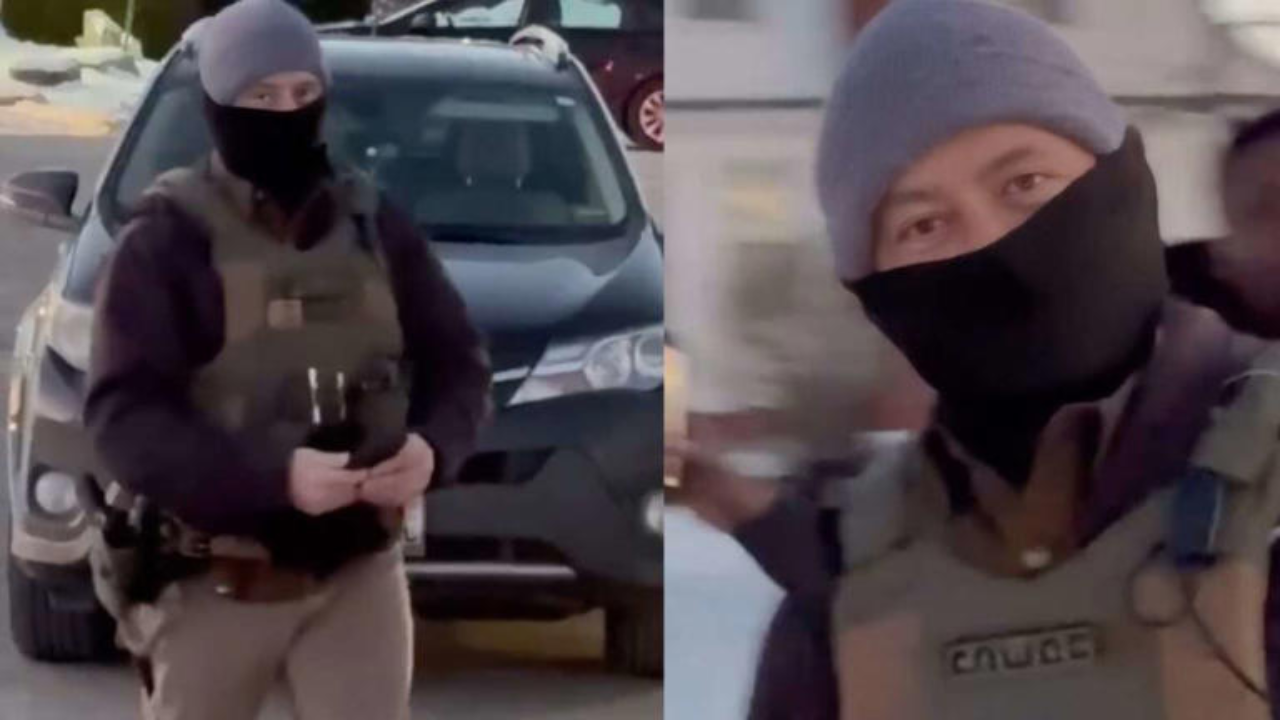
A video surfaced this morning in Maine showing an ICE officer photographing the car of a legal observer, with a chilling explanation: “Because we have a nice little database, and now you’re considered a domestic terrorist.”
The exchange is the latest example of federal law enforcement targeting Americans engaged in perfectly legal, First Amendment–protected activities. Filming or monitoring ICE agents — long recognized as a lawful civic activity — is increasingly being treated as suspicious or even criminal.
Independent journalist Ken Klippenstein reported that a federal official confirmed DHS has instructed immigration officers to collect identifying information on anyone recording them. This follows a September memo from President Trump directing federal law enforcement to monitor ideologies deemed connected to “domestic terrorism,” including anti-Americanism, anti-capitalism, opposition to government policies, and dissent on migration, race, and gender issues. Critics have called this an assault on the First Amendment, equating protected speech and peaceful protest with criminal behavior.
The Maine incident is far from isolated. In Minneapolis, volunteer Brandon Sigüenza faced officers surrounding his car, smashing his windows, and detaining him for hours — all for recording ICE activity. Sigüenza has filed a civil rights lawsuit, and a federal judge recently ruled that plaintiffs were likely to succeed, finding that their recording and observing did not impede federal agents.
ICE agent asked why he's taking pictures of a legal observer's car, replies: "Cuz we have a nice little database and now you're considered a domestic terrorist. So have fun with that." pic.twitter.com/IbyRqycSc2
— Ken Klippenstein (NSPM-7 Compliant) (@kenklippenstein) January 23, 2026
Experts and civil liberties groups argue that the “domestic terrorism” label is being misused as a pretext for harassment and surveillance. The Maine video is just the latest evidence that peaceful oversight of government agencies is being treated as a potential threat.
For Americans concerned about free speech and accountability, the takeaway is clear: recording and monitoring federal agents in public is still a constitutional right — and attempts to label that as terrorism are dangerous overreach.