 By Trendsetter Tribune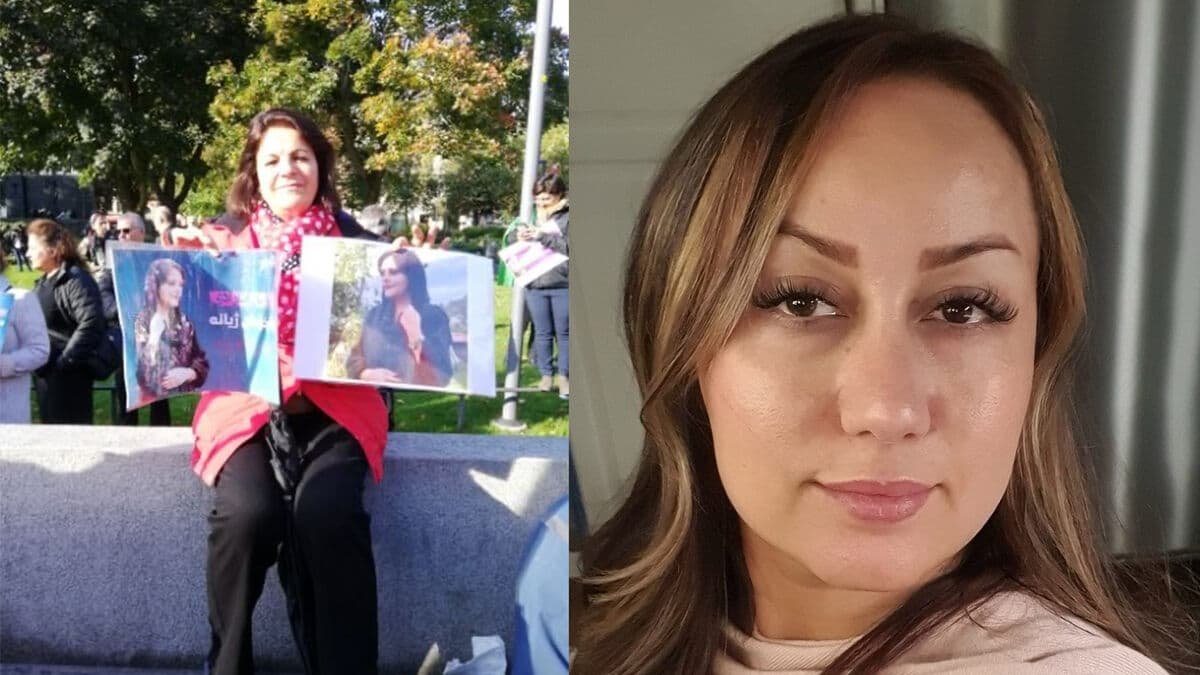
Iran has been plunged into near-total isolation as nationwide protests intensify and authorities impose sweeping internet and telecommunications shutdowns, severing millions from the outside world. For Iranian families abroad, the blackout has turned political unrest into a deeply personal crisis.
In Sweden, members of the Iranian diaspora say they have been unable to reach parents, children, and siblings for days. As reports emerge of deadly crackdowns inside Iran, fear and helplessness are growing among those watching from afar.
Iran has been rocked by widespread protests since early December, with demonstrations reported across major cities and smaller towns alike. The unrest reflects years of accumulated anger over political repression, economic hardship, and the killing of protesters during previous uprisings.
In recent days, human rights groups and digital monitoring organizations have reported extensive internet shutdowns and disruptions to phone services. The blackouts appear aimed at preventing coordination among demonstrators and stopping images and videos from reaching international audiences.
For Iranians living overseas, these measures have effectively erased all contact with loved ones.
Families Left in the Dark
In Kalmar, Sweden, Sanna Khadem says she has not heard from her siblings in Tehran since Wednesday.
“We are very worried,” she said. “We haven’t heard from our families yesterday or the day before.”
Khadem described how she last spoke to her sister just before communications went dark.
“I urged her to go out into the streets, and I felt a little anxious afterwards,” she said. “But I want everyone to go out and show that they are against the regime.”
Since then, all communication has stopped.
“They’re not answering on WhatsApp, FaceTime, or regular phone lines,” she said. “That means there’s a completely brutal shutdown of the internet, the network, the phone — everything. I’m just scared.”
Like many others, Khadem now relies on fragmented social media clips posted before the blackout.
“We just sit and watch all the short films that come out on Instagram and Twitter,” she said. “That’s all we have.”
Fear of Reprisals
In Helsingborg, human rights activist Gaby Hosseini says the silence from Iran is agonizing — but even reaching out carries risks.
Her daughter and brothers are still in the country.
“I cannot describe how worried we are, how sad we are, how desperate we are,” Hosseini said.
Because of her activism abroad, Hosseini says she avoids direct conversations that could endanger her relatives.
“If they know they have been in contact with us, they could end up in prison for many years, or even be executed,” she said. “That makes me afraid to call.”
Instead, she leaves carefully worded messages that avoid any mention of protests or politics.
“I just tell them to be careful of each other,” she said.
An Escalating Crackdown
Reports from inside Iran suggest that security forces have responded to the protests with increasing violence. While exact figures are impossible to verify due to the blackout, activists say multiple demonstrators have been killed, detained, or injured.
Internet shutdowns have long been a central tool used by Iranian authorities during moments of unrest. By cutting access to global platforms, the government limits the ability of protesters to organize and reduces international scrutiny.
This time, however, families abroad say the silence feels deeper — and more frightening — than before.
“This Time Feels Different”
Both Hosseini and Khadem say the current protests mark a turning point.
“This time it feels different,” Khadem said. “The population is tired of all these young people who have been killed over the years. Enough is enough.”
Years of demonstrations — often sparked by economic crises, political repression, or deaths in custody — have been met with force. But many Iranians believe the anger has reached a breaking point.
Unlike previous waves of unrest, protesters now appear less willing to retreat in the face of violence, according to activists and members of the diaspora.
Calls for Western Action
Swedish-Iranians say they are frustrated by what they see as muted responses from Western governments and media.
They want stronger diplomatic pressure, clearer condemnations, and greater attention to the human cost of Iran’s information blackout.
“When the internet is cut, people disappear,” Hosseini said. “And the world doesn’t see it.”
Diaspora communities across Europe have organized rallies and demonstrations to demand action, warning that silence enables further abuses.
The Human Cost of Isolation
Beyond the political implications, the blackout has imposed a profound emotional toll.
Parents do not know if their children are safe. Children abroad do not know if their parents are alive. Every hour without contact amplifies fear.
“You imagine the worst,” Khadem said. “You don’t know if they’re hiding, arrested, injured, or worse.”
For now, families wait — refreshing social media feeds, scanning fragmented reports, and hoping the silence will break.
Conclusion
As Iran’s protests continue behind an information blackout, the country’s isolation is being felt far beyond its borders. For Swedish-Iranians and millions of others in the global diaspora, the shutdown has transformed political unrest into a personal nightmare marked by fear, uncertainty, and helplessness.
While the regime tightens its grip at home, families abroad are left asking the same question — not about politics or power, but about survival: Are they still alive?