 By Trendsetter Tribune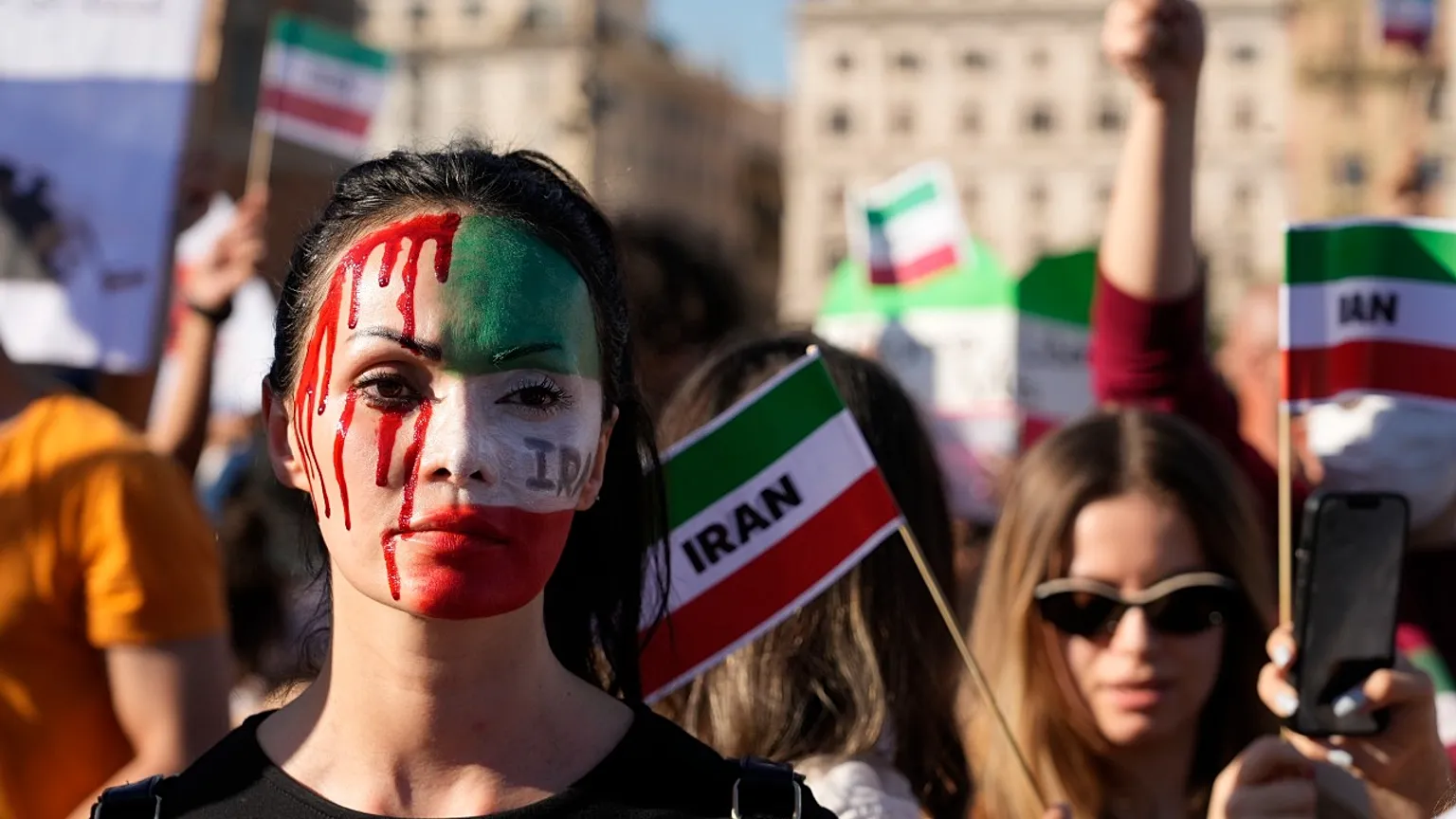
Iran’s nationwide protests have turned deadly, with human rights groups reporting more than 500 killed and over 10,000 arrested as the government cracks down, shuts down the internet, and blames foreign enemies.
Iran’s simmering unrest has exploded into one of the deadliest protest movements in the country’s modern history, as human rights monitors report a rapidly climbing death toll and mass arrests amid an aggressive government crackdown.
According to new figures released Sunday by the U.S.-based Human Rights Activists News Agency (HRANA), at least 538 people have been killed since protests erupted late last month—490 demonstrators and 48 members of Iran’s security forces. The group also estimates that more than 10,600 people have been arrested, underscoring the scale and intensity of the unrest sweeping the country.
The Iranian government has not confirmed any official casualty figures, and international media outlets say the numbers cannot be independently verified. But the growing body count, coupled with widespread internet blackouts and video evidence of mass demonstrations, paints a stark picture of a nation in crisis.
Protests Spread Nationwide Despite Heavy Security Presence
Footage filmed by residents and shared on social media shows thousands of protesters flooding Tehran’s Punak Square late Saturday night, even as security forces attempted to disperse crowds. Similar scenes were reported in Mashhad, Iran’s second-largest city, where large groups gathered despite an increased police and paramilitary presence.
HRANA reported that protests have been documented at 574 locations across 185 cities, spanning all 31 of Iran’s provinces—a sign that the unrest is not isolated but deeply entrenched across the country. Saturday marked the fourteenth consecutive day of protests, with no signs of slowing.
What began as localized demonstrations has rapidly transformed into a nationwide uprising, fueled by economic despair and growing political anger.
From Inflation to Open Defiance
The initial protests erupted in late December, triggered by rising inflation, unemployment, and the collapse of Iran’s national currency, the rial. But as security forces moved to suppress demonstrations, the tone of the protests shifted dramatically.
Chants captured on video now include explicitly anti-government slogans such as “death to the Islamic Republic” and “student, be the voice of your people.”
The evolution of the demonstrations—from economic grievances to direct challenges against Iran’s ruling system—has alarmed authorities and hardened the state’s response.
Government Crackdown Turns Deadly
Iranian security forces, acting under the authority of the theocratic government led by Supreme Leader Ayatollah Ali Khamenei, have reportedly deployed tear gas, batons, and live ammunition to quell crowds.
While HRANA reports 48 security personnel killed, state-aligned Tasnim News Agency has claimed a higher number, saying 109 members of the security forces have died. The discrepancy highlights the lack of transparent information coming from official sources.
Iran’s government has consistently framed the protests as the work of “rioters” and foreign-backed agitators, rejecting claims that the unrest reflects genuine domestic discontent.
Internet Blackout Deepens Fears
As protests intensified, human rights groups reported widespread internet outages, making it increasingly difficult for activists and journalists to document events on the ground.
Internet monitoring organization NetBlocks said Iran’s internet blackout had surpassed 60 consecutive hours, cutting off millions of people from the outside world.
Critics argue that the blackout is a deliberate attempt to hide the scale of the crackdown, limit coordination among protesters, and prevent graphic images of violence from reaching international audiences.
Iranian Leaders Blame Foreign Enemies
Iranian officials have doubled down on accusations that foreign powers are fueling the unrest.
President Masoud Pezeshkian, speaking through state media on Sunday, blamed “foreign terrorists” for inflaming the protests but acknowledged the economic frustrations that initially sparked demonstrations.
“We are determined, and have decided, to resolve economic problems by any means possible,” Pezeshkian said, signaling limited willingness to address economic grievances—while maintaining a hard line on security.
Parliament Speaker Mohammad Bagher Qalibaf issued a sharp warning, declaring that U.S. forces and Israel would be “legitimate targets” if Iran were attacked, escalating already tense regional rhetoric.
International Reaction Grows
The unrest has drawn sharp reactions from abroad.
Israeli Prime Minister Benjamin Netanyahu said Sunday that Israel is closely watching what he described as “demonstrations for freedom” in Iran.
“Israel supports their struggle for freedom and strongly condemns the mass massacres of innocent civilians,” Netanyahu said, adding that he hopes Iran will one day be “freed from the yoke of tyranny.”
U.S. President Donald Trump has also weighed in, repeatedly warning Tehran against the use of force. On Saturday, Trump posted online, “Iran is looking at FREEDOM, perhaps like never before. The USA stands ready to help!!!”
An Israeli official confirmed that Netanyahu and U.S. Secretary of State Marco Rubio discussed the unfolding crisis in a phone call over the weekend.
Voices From Exile Urge Defiance
Iranian dissidents abroad have seized on the moment, urging protesters to stay in the streets and push for regime change.
Exiled Crown Prince Reza Pahlavi addressed demonstrators in a message posted to X on Sunday.
“Do not abandon the streets,” he wrote. “My heart is with you. I know that I will soon be by your side.”
While Pahlavi holds symbolic significance for some Iranians, his call underscores how the protests have evolved into a direct challenge to the legitimacy of the Islamic Republic itself.
A Regime Under Pressure
Despite official claims of control, the sheer geographic spread, persistence, and intensity of the protests suggest the Iranian leadership is facing one of its most serious internal crises in years.
The combination of economic collapse, youth-led defiance, and international scrutiny has created a volatile mix that shows no easy path to resolution.
With the internet largely silenced, the true toll may still be unknown. What is clear is that Iran has entered a dangerous phase—one where grievances once shouted in isolated streets have become a nationwide roar.
Conclusion
As the death toll climbs and arrests mount, Iran stands at a crossroads. The government insists it can crush the unrest through force and blame foreign enemies. Protesters, meanwhile, appear increasingly undeterred, driven by desperation and a belief that silence is no longer an option.
Whether these demonstrations fade under pressure or ignite a deeper transformation remains uncertain. But for now, one reality is undeniable: Iran’s streets have become the front lines of a battle over the country’s future.