 By Trendsetter Tribune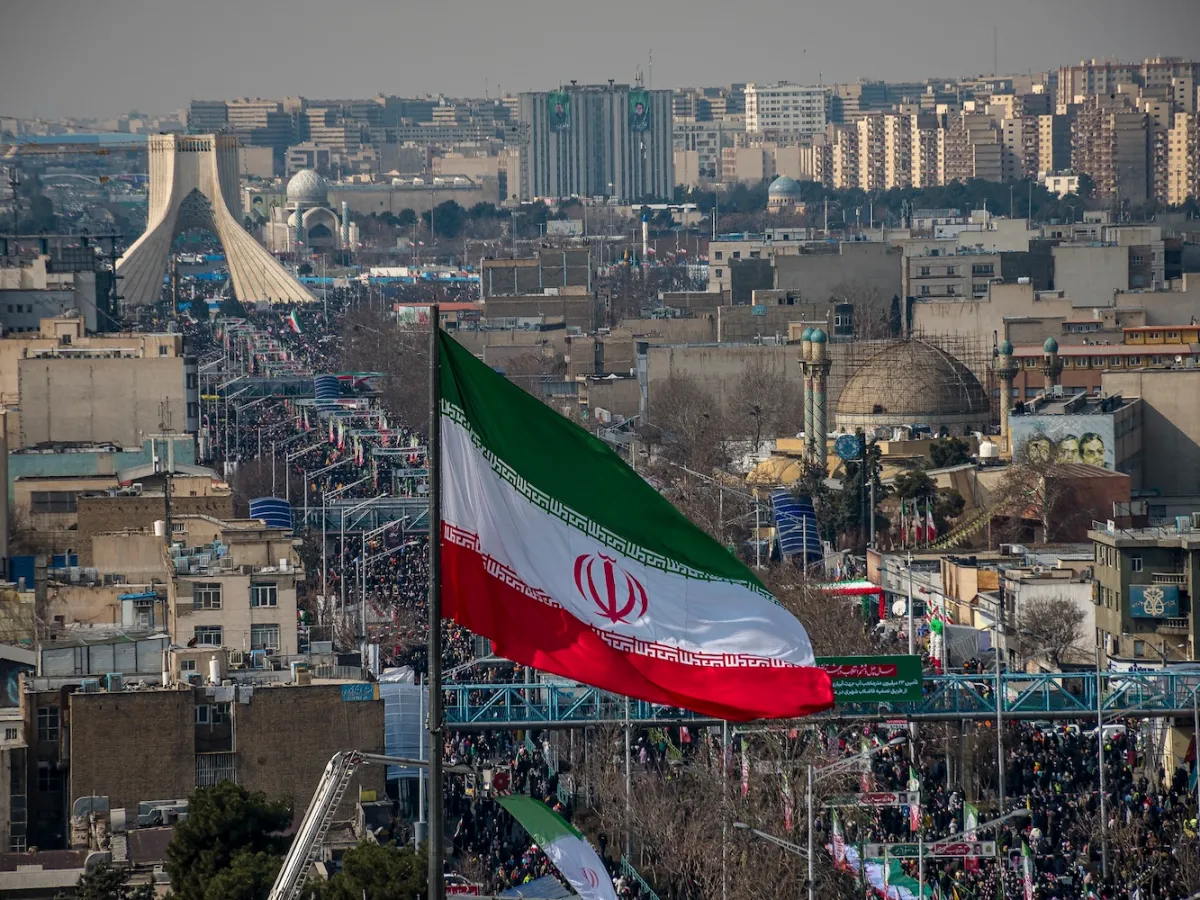
Iran is facing its most significant wave of unrest since 2022, as protests over the collapsing economy and currency devaluation spread across the country. Authorities have intensified their response, threatening death for those accused of “vandalism” or working for foreign powers. How Tehran handles these protests could have profound implications for political stability, human rights, and the country’s international relations.
The demonstrations began on December 28, 2025, in Tehran’s Grand Bazaar after the Iranian rial plunged to record lows, exacerbating a cost-of-living crisis in the sanctions-hit economy. Citizens have expressed frustration with rising prices, widespread corruption, and declining oil revenues.
Iranian leaders are responding with a mix of warnings and limited concessions. President Masoud Pezeshkian acknowledged that the protesters’ economic grievances are legitimate and instructed security forces to exercise restraint. At the same time, Supreme Leader Ayatollah Ali Khamenei and the Islamic Revolutionary Guard Corps (IRGC) have issued stern statements threatening harsh reprisals for acts deemed destructive or subversive.
On Friday, January 9, 2026, authorities escalated their rhetoric:
- Khamenei condemned “vandalism” and warned against “mercenary” behavior, accusing foreign powers of attempting to exploit unrest.
- A Tehran prosecutor explicitly stated that rioters causing property damage could face the death penalty.
- The IRGC warned that ongoing protests are unacceptable and claimed the right to retaliate against “terrorist incidents.”
Despite the crackdown, protests continued across Tehran, Isfahan, and other cities. Social media posts, partially accessible despite a nationwide internet shutdown, showed large crowds chanting slogans such as “death to the dictator” and, in some instances, “long live the shah,” referencing the exiled Reza Pahlavi, son of the late Shah of Iran.
Flights were disrupted, with foreign carriers cancelling connections between Tehran and Istanbul or Dubai. Netblocks reported widespread internet shutdowns, limiting communication and attempts to share videos or images of the unrest.
The Iranian government’s reaction underscores both domestic and international challenges:
1. Intensified Crackdown Reflects Fear of Escalation
Tehran’s death penalty threat signals a determination to suppress protests quickly, attempting to deter demonstrators and prevent broader unrest. By framing protestors as mercenaries for foreign powers, authorities seek to delegitimize dissent while justifying harsh measures.
2. Economic Drivers of Unrest
The unrest stems primarily from economic hardship. With the rial collapsing, oil revenue declining, and the cost of living rising, citizens are responding to tangible grievances. Heavy-handed enforcement risks exacerbating tensions rather than stabilizing the country.
3. International Dimension
Calls for democracy from Reza Pahlavi and reactions from figures like Donald Trump, who warned Iran against killing protesters, highlight the potential for international pressure. Tehran’s response could influence sanctions, foreign relations, and its global image.
4. Information Suppression
Internet blackouts and media control aim to limit evidence of state violence and slow mobilization of protests. However, videos circulating online demonstrate the resilience of demonstrators and the difficulty of containing information entirely.
Implications
- Human rights: Death penalties for protest-related offenses raise concerns among global rights groups.
- Political stability: Prolonged unrest may threaten theocratic authority and spark renewed calls for reform.
- Regional tension: Western and regional powers, already wary of Iran’s actions, may respond diplomatically or economically if repression escalates.
- Civil society: Internet shutdowns and communication blackouts may hinder grassroots organization, but also fuel public resentment and international scrutiny.
Conclusion
Iran stands at a crossroads. Economic hardship has sparked widespread unrest, while the government’s severe crackdown threatens to inflame tensions further. How Tehran balances control with restraint will shape the future of the Islamic Republic, the safety of its citizens, and its relations with the international community.