 By Trendsetter Tribune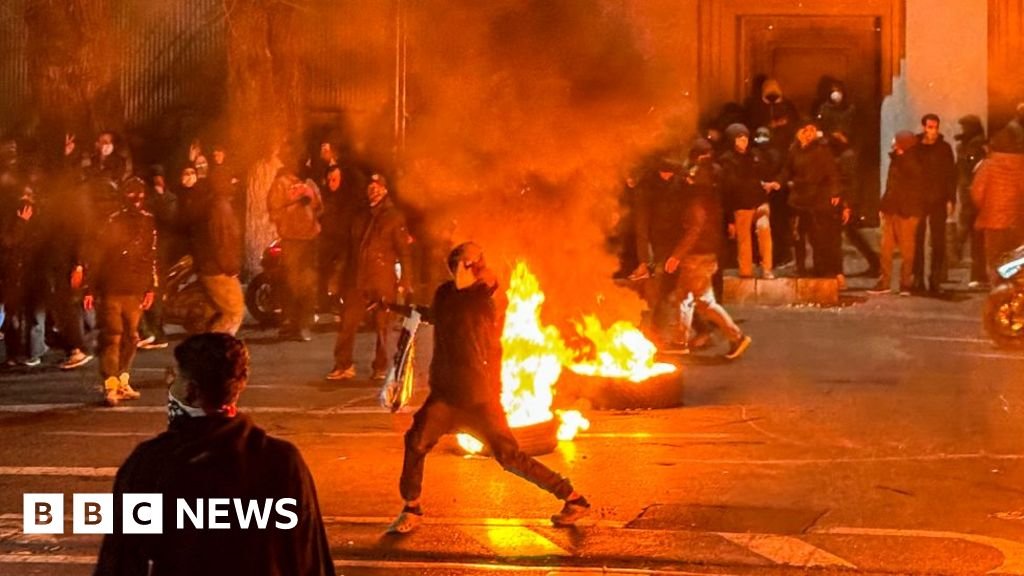
The human rights situation in Iran has reached a critical flashpoint as the country observes the 47th anniversary of the 1979 Islamic Revolution. Amidst a wave of severe civil unrest that erupted in early January 2026, the ruling regime is facing unprecedented accusations of mass killings and systemic judicial retribution.
Escalation of Executions
The “No to Execution Tuesdays” campaign—a hunger strike movement involving political prisoners across 56 detention facilities—has reported a terrifying spike in capital punishment.
- The Toll: Human rights monitors and campaign members assert that over 207 individuals have been executed in just the last three weeks.
- The Strategy: Activists describe these actions as a “machinery of execution” designed to intimidate the public following the massive anti-government demonstrations that began in late 2025.
- Expanding Crackdown: Reports indicate that the regime’s security forces are now targeting professionals, including lawyers and doctors, who provided aid to injured protesters or attempted to document abuses.
A Bloody Suppression of Dissent
What began as protests over economic grievances and currency collapse in December 2025 evolved into a nationwide uprising on January 8, 2026. The response from security forces has been described as the most brutal since the revolution.
- Casualty Estimates: While the Iranian government officially acknowledges approximately 3,100 deaths, independent rights groups like the Human Rights Activists News Agency (HRANA) put the number of confirmed dead at over 6,400.
- Shocking Figures: Some classified reports and hospital data suggest the actual death toll could exceed 36,500, with a staggering 30,000 deaths allegedly occurring during the two-day crackdown on January 8–9 alone.
- Arrests: It is estimated that more than 51,000 people have been detained since the uprising began.
Political Arrests and Internal Pressure
The crackdown has moved from the streets into the political arena. Azar Mansouri, the head of the Reform Front coalition, was arrested on February 8 along with other prominent reformist figures like Ebrahim Asgharzadeh.
“We will not allow the blood of these dear ones to be consigned to oblivion or the truth to be lost in the dust,” Mansouri had stated shortly before her detention.
The Iranian judiciary has accused these figures of “acting against the constitution” and coordinating with foreign adversaries, specifically the United States and Israel.
Maximum Pressure from Washington
The domestic turmoil coincides with a “maximum pressure” campaign from U.S. President Donald Trump.
- The Nuclear Deadline: President Trump has warned Tehran that “time is running out” to negotiate a new deal. He has set two primary conditions: a complete halt to the nuclear program and an immediate end to the killing of protesters.
- Military Posture: The U.S. has deployed a “massive armada” to the region, and reports from early 2026 suggest that U.S. and Israeli air strikes have already targeted and damaged various Iranian military and nuclear facilities.
A Divided Nation
On Wednesday, February 11, 2026, state media broadcast images of thousands of pro-government supporters burning American flags in Tehran to mark the revolution’s anniversary. However, these displays were juxtaposed against reports of citizens chanting “Death to the dictator!” from rooftops the night before—a clear indication that the spirit of the January uprising remains active despite the heavy suppression.