 By Trendsetter Tribune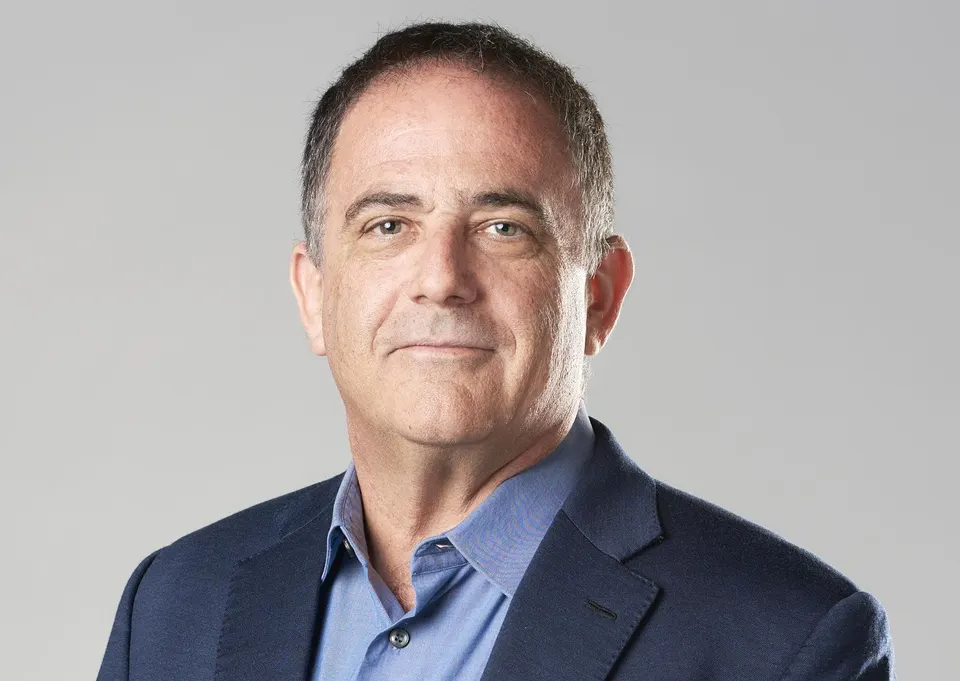
From the Alien and Sedition Acts to the Red Scares of the 20th century, American history is marked by moments when fear-driven elites sought to weaken the First Amendment in the name of national stability. This week, that pattern resurfaced — not from Washington, but from Silicon Valley’s security industry.
Israeli tech billionaire Shlomo Kramer ignited controversy after suggesting the United States should limit First Amendment protections to combat political polarization, a striking proposal from a foreign national whose businesses profit directly from the expansion of cybersecurity and surveillance infrastructure.
Kramer is no fringe commentator. He is a central figure in the global cybersecurity industry, with deep ties to Israel’s elite military intelligence ecosystem.
A former member of Israeli Unit 8200 — the Israel Defense Forces’ cyber-intelligence unit often described as a “startup factory” — Kramer co-founded Check Point Software Technologies, later sold Imperva for $3.6 billion, and now serves as CEO of Cato Networks, a cloud security firm partnered with major U.S. corporations including Amazon Web Services and RingCentral.
That résumé gave weight to his remarks during a recent interview on CNBC — and intensified the backlash that followed.
Speaking to CNBC hosts, Kramer argued that free speech protections in countries like the United States are driving dangerous political polarization.
“You’re seeing the polarization in countries that allow for the First Amendment and protect it,” Kramer said. “And I know it’s difficult to hear, but it’s time to limit the First Amendment in order to protect it — and quickly before it’s too late.”
Pressed to clarify, Kramer went further, explicitly calling for government control over online speech.
“I mean that we need to control the platforms, all the social platforms,” he said. “We need to stack, rank the authenticity of every person that expresses themselves online and take control over what they are saying, based on that ranking.”
When CNBC host Sara Eisen asked whether such control should come from the government, Kramer replied bluntly: “The government should, yeah.”
Kramer framed his proposal as a matter of combating “lies” and protecting democratic stability. But critics argue the implications are far more sweeping — and troubling.
Such a system would require:
- Government-mandated identity verification
- Centralized ranking of “speech authenticity”
- State authority to suppress or amplify speech based on opaque criteria
Civil liberties advocates warn this would represent the largest rollback of free expression in modern U.S. history, fundamentally incompatible with constitutional protections.
There is also an unavoidable conflict of interest. Kramer’s vision would demand a massive expansion of cybersecurity, content moderation, and surveillance systems — precisely the services provided by companies like Cato Networks, along with firms such as CrowdStrike and Wiz, which Kramer name-checked during the interview.
“You need to put adjustments that are perhaps not popular, but necessary,” Kramer said, adding that enterprises are already purchasing more cybersecurity solutions in anticipation of growing threats.
Kramer’s views appear aligned with trends in his home country. Polling by the Pew Research Center in 2024 found that at least half of Israeli adults supported social media censorship, particularly related to coverage of the war in Gaza.
Separately, the Committee to Protect Journalists has documented escalating censorship, harassment, and pressure on Israeli journalists — trends critics attribute to years of aggressive state messaging and security-driven media control.
That context has intensified scrutiny of Kramer’s remarks, particularly his willingness to export a security-first, civil-liberties-second model to the United States.
Kramer’s argument echoes a recurring theme in American history: the belief that freedom must be curtailed to save itself.
From World War I-era speech crackdowns to McCarthyism, such efforts have repeatedly been justified as temporary necessities — and later condemned as overreaches driven by fear, power, and elite self-interest.
What makes this moment distinct is who is making the argument: a foreign billionaire with deep ties to military intelligence and a direct financial stake in the surveillance economy.
- Free Speech: Kramer’s proposal would redefine speech as a privilege granted by the state, not a right protected from it.
- Technology & Power: The merging of government authority and private cybersecurity firms raises serious concerns about accountability and abuse.
- Democratic Norms: Calls to weaken constitutional protections — especially from non-citizens — are likely to inflame political tensions rather than resolve them.
Shlomo Kramer’s remarks have exposed a growing fault line in modern democracies: whether political polarization should be addressed through persuasion and reform — or through control.
In the United States, where the First Amendment is foundational rather than optional, the backlash to Kramer’s proposal was swift and severe. History suggests that attempts to “protect democracy” by limiting speech often do the opposite.
As debates over technology, security, and free expression intensify, this episode serves as a stark reminder that the greatest threats to liberty often arrive dressed as solutions.
Stay informed: Our newsroom tracks the intersection of power, technology, and civil liberties — delivering context, history, and accountability journalism you won’t find anywhere else.