 By Trendsetter Tribune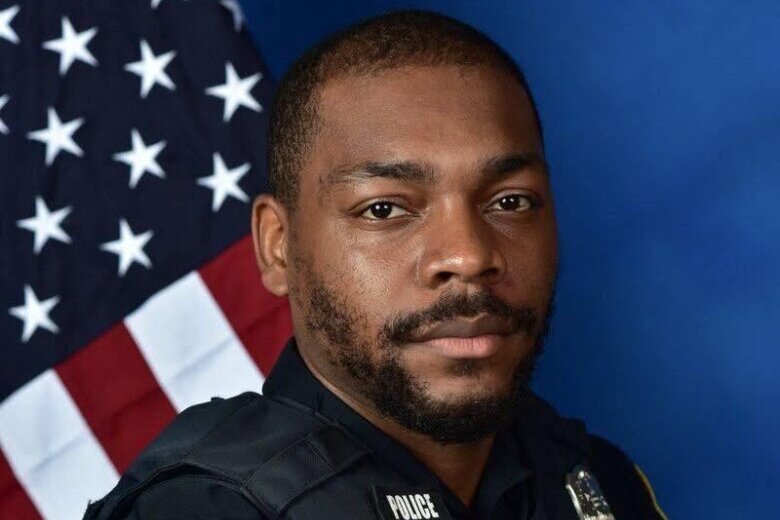
WASHINGTON — A tragic case of alleged impaired driving has reached a critical stage in the D.C. Superior Court as Jerrold Lonnell Coates, 47, remains in custody for the death of Metropolitan Police Department (MPD) Officer Terry Bennett. As of Tuesday, February 24, 2026, the case has ignited intense public anger following the release of body camera footage showing Coates’ unrepentant behavior—reportedly including laughter—in the immediate aftermath of the crash that claimed a local hero’s life.
Officer Bennett, a 32-year-old native Washingtonian and nearly eight-year veteran of the force, died on January 7, 2026, after fighting for his life for 15 days following the December 23 collision.
The Collision: A Life Interrupted on I-695
The incident occurred just before Christmas, as Officer Bennett was performing the very community service he was known for—assisting others.
- The Scene: Bennett had parked his police cruiser with emergency lights flashing on I-695 near South Capitol Street to assist a motorist who had run out of gas.
- The Impact: According to investigators, Coates was driving a Volvo XC90 at a high rate of speed, swerving through slow-moving traffic. He struck Officer Bennett, throwing him 22 feet into the air.
- The Injuries: Bennett sustained a traumatic brain injury and spinal damage. Despite multiple life-saving surgeries, he succumbed to his injuries two weeks later.
“Alcohol Do What It Do”: The Toxic Fallout
New details from a probable cause hearing on February 9 have painted a chilling picture of Coates’ state of mind and physical condition at the time of the arrest.
| Evidence Type | Details |
| Toxicology Report | Coates had a Blood Alcohol Content (BAC) of 0.16—exactly twice the legal limit—along with marijuana in his system. |
| Admissions | Coates reportedly admitted to police, “I had a little joint, a little shot,” but insisted he was “not drunk enough” to not know what was going on. |
| Body Cam Footage | Released this week, the footage reportedly shows Coates laughing and behaving erratically moments after the crash. When told he was in a “real bad accident,” he responded, “An accident? Did I hurt somebody?” |
| Vehicle Controls | Coates, who is a paraplegic, told officers the hand controls in his car “sometimes malfunction,” a claim the prosecution is currently vetting. |
The Legal Stand: Second-Degree Murder While Armed
U.S. Attorney Jeanine Ferris Pirro announced that Coates is being charged with Second-Degree Murder While Armed (Vehicle).
- No Bond: Judge Rainey Brandt ordered Coates to be held without bond, citing the “extreme danger” he poses to the community.
- The “Armed” Distinction: Under D.C. law, a vehicle can be classified as a “dangerous weapon” when used in a manner likely to cause death or serious bodily injury, elevating the charge to murder while armed.
- Court Schedule: Coates is due back in court for a preliminary hearing in May 2026.
Remembering Officer Terry Bennett
The death of Officer Bennett has left a massive void in the D.C. community, where he was a beloved figure both on and off the clock.
“Officer Bennett was a model officer, a born and raised Washingtonian who wanted to make a positive impact on his community.” — Interim Chief of Police Jeffery W. Carroll
- A Legacy of Service: A graduate of Ballou Senior High School and Bucknell University, Bennett returned to his alma mater to serve as an assistant head football coach and mentor.
- A Final Gift: Bennett was an organ donor, a final act of selflessness that his family says will impact lives for years to come.
- Family Impact: He is survived by his wife, Nadia Bennett, and their young son. Nadia has publicly stated she is “hopeful for justice” and wants full accountability for the person who took her husband’s life.
What’s Next?
As Coates awaits his May court date, the MPD is using the tragedy to advocate for increased roadway safety measures. City Councilmember Charles Allen has suggested the city implement dedicated “Roadway Assistance Teams” to handle minor incidents like gas outages, potentially keeping officers out of harm’s way on busy interstates.
🚨NEW: DUI driver who hit and killed a D.C police officer laughs moments after being arrested
— Unlimited L's (@unlimited_ls) February 24, 2026
Jerrold Coates has been charged with second-degree murder while armed
Terry Bennett, 32, died more than two weeks after being struck while assisting a driver on I-695
Bennett was… pic.twitter.com/oR2od8NdVr