 By Trendsetter Tribune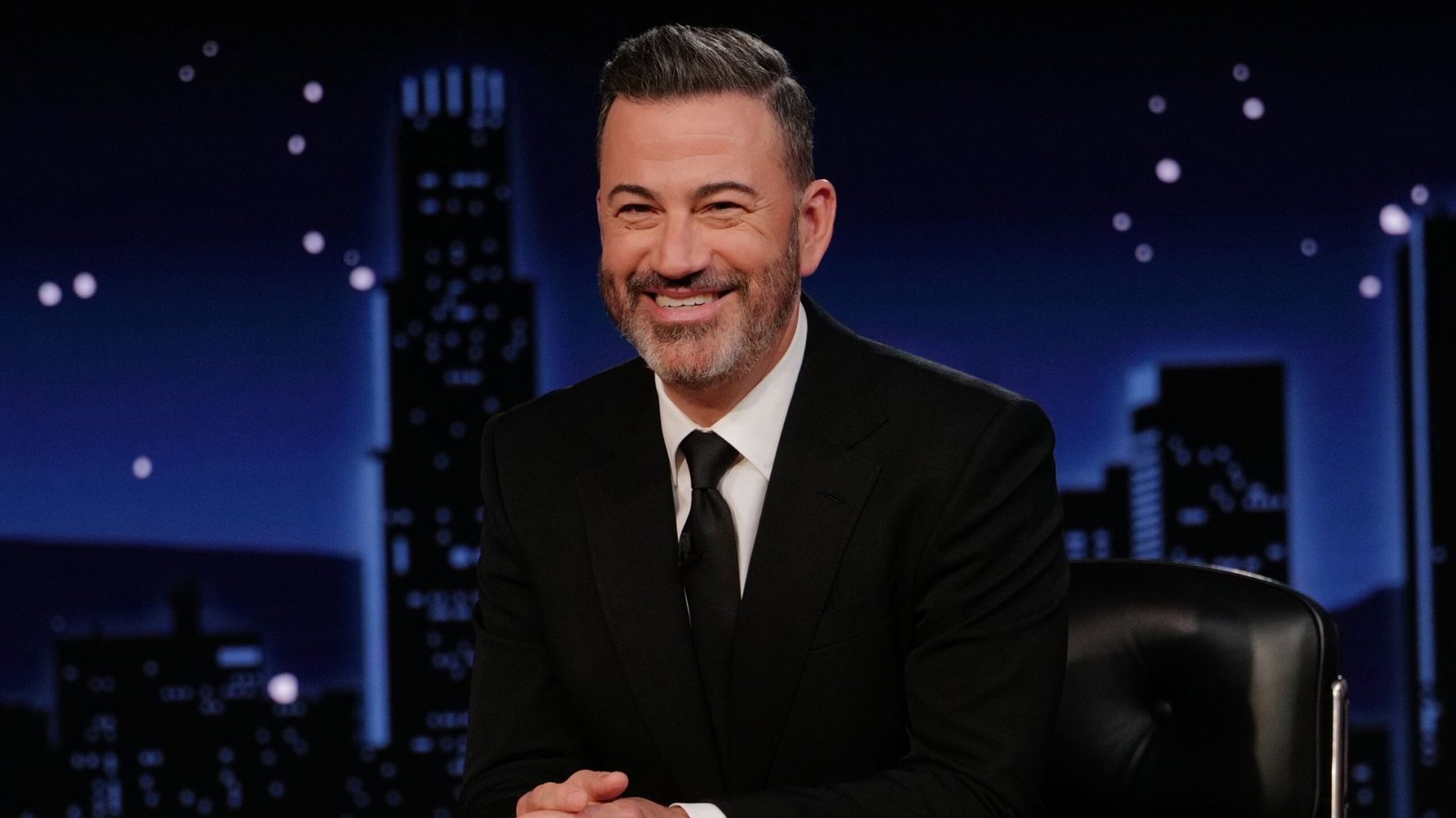
Late-night television once again collided with global politics as Jimmy Kimmel used his opening monologue to lampoon President Donald Trump over a controversial Nobel Peace Prize moment. The remarks, which blended satire with pointed political criticism, highlight how entertainment platforms continue to shape public discourse around power, recognition, and leadership.
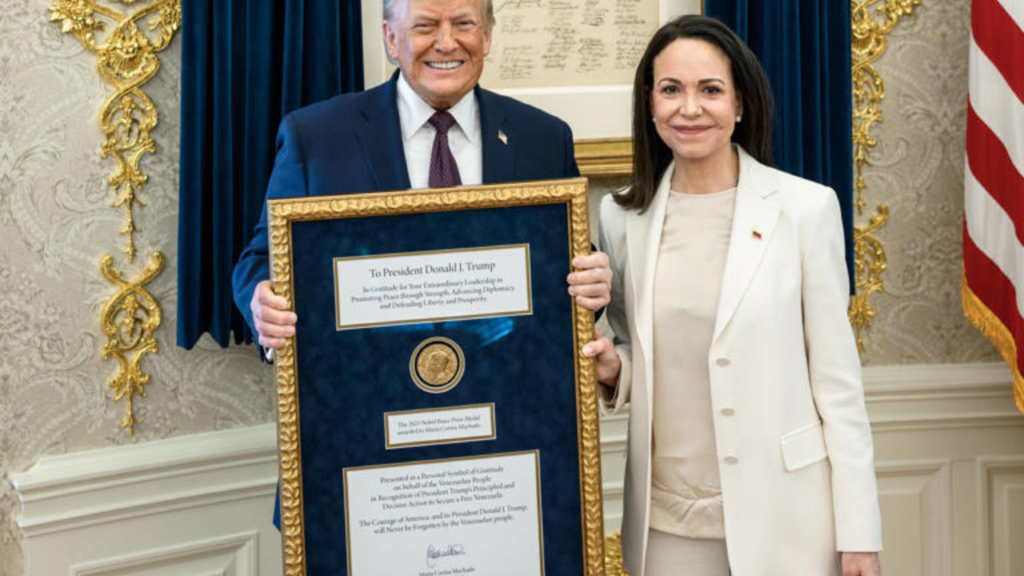
On Thursday night’s episode of Jimmy Kimmel Live!, Kimmel sharply mocked President Trump for accepting the Nobel Peace Prize medal from its 2025 recipient, Venezuelan opposition leader María Corina Machado.
“Rarely does a president yank a Nobel prize off of someone’s neck,” Kimmel joked. “He’s back in the Oval Office sucking on it like a pacifier.”
Machado, who won the Nobel Peace Prize for her leadership in opposing former Venezuelan leader Nicolás Maduro, reportedly handed the medal to Trump after weeks of publicly praising his role in political developments in Venezuela.
The moment quickly became fodder for Kimmel’s monologue, which framed the exchange as emblematic of Trump’s long-standing fixation on praise and awards.
Background on the Nobel controversy
Machado was recognized for her role in organizing resistance against Maduro, who was removed from power after U.S. military action in the early days of 2026. Despite her cooperation with the Trump administration, Machado was ultimately passed over when Trump selected a successor to lead Venezuela.
Kimmel suggested that Trump’s decision was fueled by lingering resentment over not receiving the Nobel Prize himself.
According to Kimmel, Machado left Washington without a political endorsement — but not without a souvenir.
“Machado didn’t leave empty-handed,” Kimmel joked. “She was seen leaving the White House with a gift bag… ‘Thanks for the Nobel Prize. Here’s a Make America Great Again mug.’”
Kimmel ups the satire with his own awards
Continuing the segment, Kimmel wheeled several of his personal trophies onto the stage, offering them to Trump in exchange for a political concession.
“Mr. President, I have an offer I think you’re going to find difficult to refuse,” Kimmel said, presenting awards including a 1999 Emmy and a 2015 Soul Train Award.
The joke came with conditions. Kimmel said he would personally deliver the trophies to the Oval Office if Trump agreed to withdraw ICE agents from Minneapolis and refocus immigration enforcement at the border.
Immigration crackdown fuels backlash
Kimmel’s comments followed widespread criticism of Trump’s immigration enforcement operations in Minneapolis. Protests erupted after an ICE agent fatally shot 37-year-old Renee Good on January 7, triggering national outrage and calls from local officials for federal agents to leave the city.
“The choice is yours,” Kimmel said, gesturing to the trophies. “I will personally deliver any or all of these to the Oval Office in exchange for leaving the people of Minneapolis alone.”
Escalating political warning
As the monologue concluded, Kimmel shifted from satire to a darker warning, criticizing Trump’s comments suggesting the United States may not need midterm elections this year.
Kimmel outlined what he described as an authoritarian playbook: labeling political opponents as “vermin,” deploying federal agents to unwilling cities, accusing protesters of insurrection, invoking the Insurrection Act, and ultimately canceling elections.
“Step by step,” Kimmel warned, “you take charge for good.”
Analysis: Comedy as political commentary
While Kimmel’s monologue was delivered in comedic form, it reflected broader anxieties about executive power, immigration enforcement, and democratic norms. Late-night television continues to function as both entertainment and informal political commentary, reaching audiences that may not engage with traditional news coverage.
The segment underscores how cultural platforms increasingly frame political events through satire — not just to provoke laughter, but to express dissent and raise alarms.
Conclusion
Jimmy Kimmel’s comparison of the Nobel Peace Prize to a pacifier may have drawn laughs, but it also encapsulated a deeper critique of power, ego, and governance. As politics and entertainment remain deeply intertwined, moments like this illustrate how late-night television continues to shape public narratives — one punchline at a time.