 By Trendsetter Tribune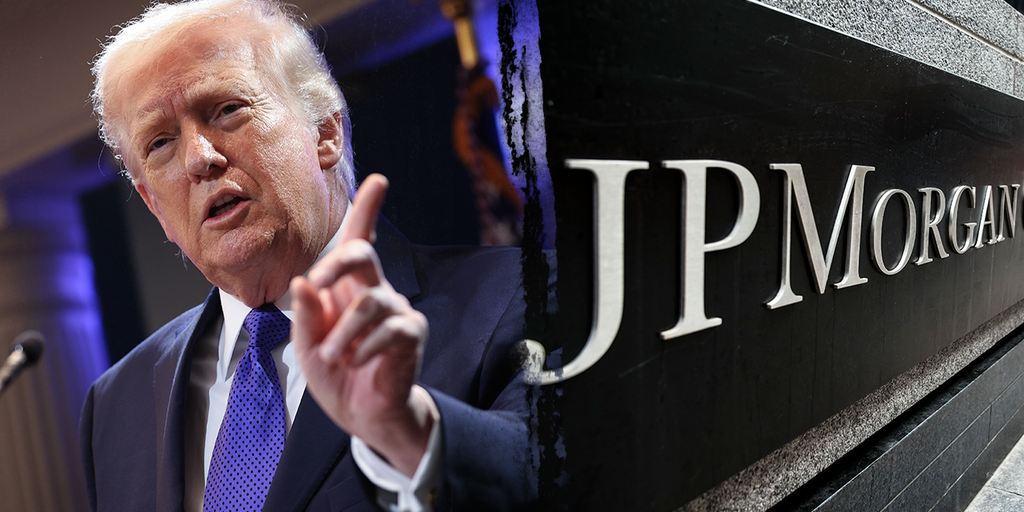
NEW YORK — In a major breakthrough for the “debanking” legal battle, JPMorgan Chase has officially admitted for the first time that it closed the bank accounts of President Donald Trump and several of his businesses in the weeks following the January 6, 2021, Capitol riot. As of February 21, 2026, the admission—contained in a court filing submitted this week—marks a pivotal moment in the President’s $5 billion lawsuit against the nation’s largest bank and its CEO, Jamie Dimon.
While the bank has previously spoken in hypothetical terms about account closures, this filing represents a formal acknowledgement that the relationship with Trump was terminated specifically during that politically volatile period.
The Admission: “PB” and “CB” Accounts Closed
The confirmation came via a filing from JPMorgan’s former chief administrative officer, Dan Wilkening. According to the documents, the bank notified Trump on February 19, 2021, that it would be severing ties.+1
- The Accounts: The closures affected both the Private Bank (PB) and Commercial Bank (CB) units, where Trump and his hospitality businesses had held “hundreds of millions of dollars” for decades.
- The “Blacklist” Allegation: Trump’s legal team, led by attorney Alejandro Brito, alleges that the bank didn’t just close the accounts but placed the Trump family and the Trump Organization on a “reputational blacklist” shared with other major financial institutions.
- The Harm: The lawsuit claims the sudden termination caused “extensive reputational harm” and forced the President to search for new banking partners under the stigma of being “debanked” by the industry leader.
The $5 Billion Dispute: Woke Beliefs vs. Regulatory Risk
The core of the legal fight centers on the reason for the closure. While the Trump team sees political discrimination, JPMorgan maintains it was a matter of standard banking procedure.+1
| Argument | The Trump Legal Team | The JPMorgan / Jamie Dimon View |
| The “Why” | Alleges the bank acted on “woke beliefs” and a desire to “distance itself from conservative views” during a shifting political tide. | Maintains that the bank “does not close accounts for political or religious reasons,” only when they create legal or regulatory risk. |
| The “How” | Claims the decision was “final and unequivocal,” providing no recourse, remedy, or alternative for the client. | Argues that “rules and regulatory expectations” often force institutions to exit certain high-profile clients to avoid institutional risk. |
| The Jamie Dimon Role | Trump alleges he personally spoke to Dimon, who promised to “figure out what was happening” but never followed up. | The bank has called the inclusion of Dimon in the suit “fraudulent,” arguing it was a tactic to keep the case in Florida state court. |
The Battle for Jurisdiction
A significant portion of this week’s legal maneuvering has been over where the trial will take place.
- Team Trump: Originally filed the suit in Miami-Dade County state court, where the President currently resides at Mar-a-Lago.
- JPMorgan: Is fighting to move the case to federal court in New York, arguing that the accounts were managed in Manhattan and that New York law should apply.
The “Operation Choke Point” Echoes
The lawsuit has become a lightning rod for conservative lawmakers who have long complained of “Operation Choke Point”-style tactics—the alleged use of federal pressure to keep banks from serving industries like gun shops or payday lenders.
Since returning to office, the President’s banking regulators at the Office of the Comptroller of the Currency (OCC) have already issued a preliminary report finding “early evidence” that major banks, including JPMorgan and Bank of America, may have improperly refused service to certain industries and individuals based on ideology.
“In a devastating concession that proves President Trump’s entire claim, JPMorgan Chase admitted to unlawfully and intentionally de-banking President Trump… causing overwhelming financial harm.” — Trump Legal Team Statement, Feb 21, 2026