 By Trendsetter Tribune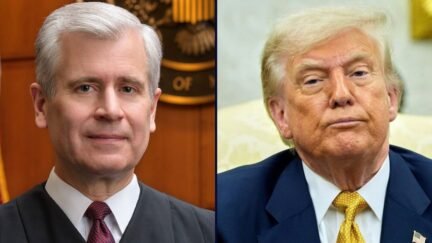
A federal judge has rejected the Trump administration’s effort to halt discovery and fast-track appeals in a lawsuit over USAID funding cuts.
The case involves more than two dozen current and former USAID employees and contractors suing Elon Musk, then head of the Department of Government Efficiency (DOGE), alleging his actions violated the U.S. Constitution’s Appointments Clause and separation of powers.
In March 2025, plaintiffs won a preliminary injunction preventing Musk and DOGE from making further cuts without agency authorization. The Trump administration later sought to appeal key rulings and suspend discovery while doing so.
U.S. District Judge Theodore Chuang, appointed by former President Obama, dismissed the administration’s request, saying the issues raised involve fact-specific questions—not “pure” legal questions suitable for interlocutory appeal.
“The Court finds that its rulings… consisted of the application of settled law to the particular facts of this case,” Chuang wrote, emphasizing that discovery is necessary to identify the actual decision-makers and assess potential ratification of Musk’s actions.
Chuang also noted that attempting to pause discovery would likely prolong the litigation, while plaintiffs would have the opportunity to amend claims if needed. The court’s decision clears the way for continued fact-finding in the ongoing constitutional challenge.