 By Trendsetter Tribune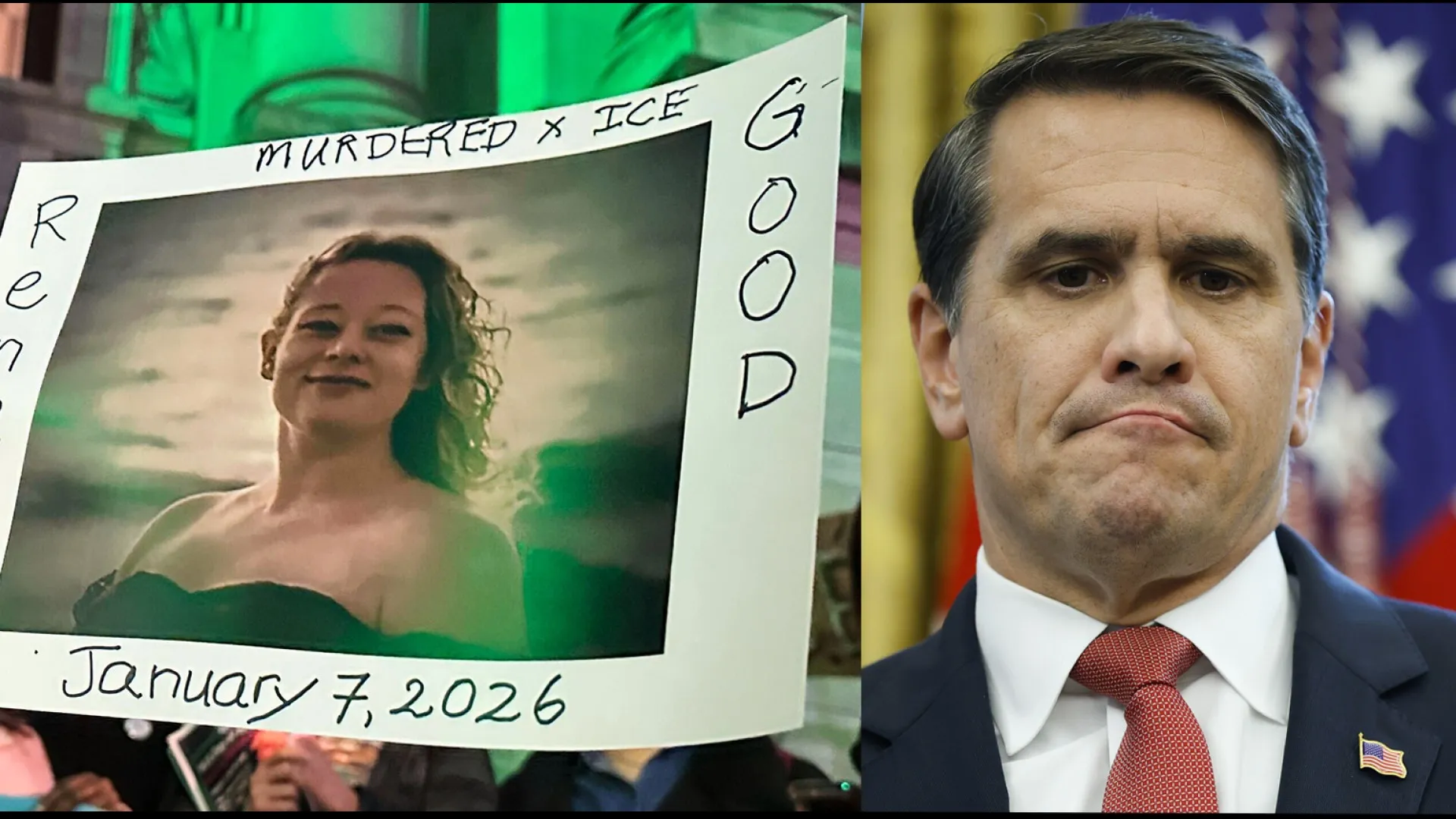
New details are emerging about how the Trump administration attempted to frame its response to the fatal shooting of Renee Good, the 37-year-old woman killed by an ICE agent in Minneapolis earlier this month.
According to MS NOW sources, a federal judge rejected a Justice Department search warrant that bizarrely listed Good herself as a suspect—despite the fact that she was already dead.
Good was shot and killed on January 7 by ICE agent Jonathan Ross during a heavily disputed encounter that was captured on video. Almost immediately after the shooting, DHS Secretary Kristi Noem labeled Good a “domestic terrorist,” a claim echoed by President Donald Trump, who publicly attacked the victim and defended the killing.
But reporting by Carol Leonnig and Ken Dilanian reveals that behind the scenes, federal investigators were initially pursuing a civil rights investigation into the shooting. That effort was allegedly derailed by senior Justice Department officials.
Sources say FBI agents first drafted a warrant to seize Good’s vehicle to reconstruct bullet trajectories. They were then instructed to rewrite the warrant, shifting the investigation away from possible civil rights violations and instead framing it as a case involving an alleged assault on a federal officer — with Good named as the suspect.
A federal magistrate judge rejected the request, calling it legally unsound, noting that Good could not be considered a suspect because she was deceased.
The rejection is notable. Federal search warrants are rarely denied, since prosecutors only need to show probable cause, a relatively low legal threshold. That a judge dismissed the warrant as “weak” underscores how unusual the request was.
The revelation adds to mounting scrutiny over the Trump administration’s handling of the case, particularly its decision not to investigate the ICE agent involved. Protests continue in Minneapolis, where critics say the administration is attempting to rewrite the narrative by criminalizing the victim rather than examining federal use of force.
As demonstrations persist, the judge’s decision raises new questions about political interference, accountability, and the use of federal power in the wake of a civilian’s death.