 By Trendsetter Tribune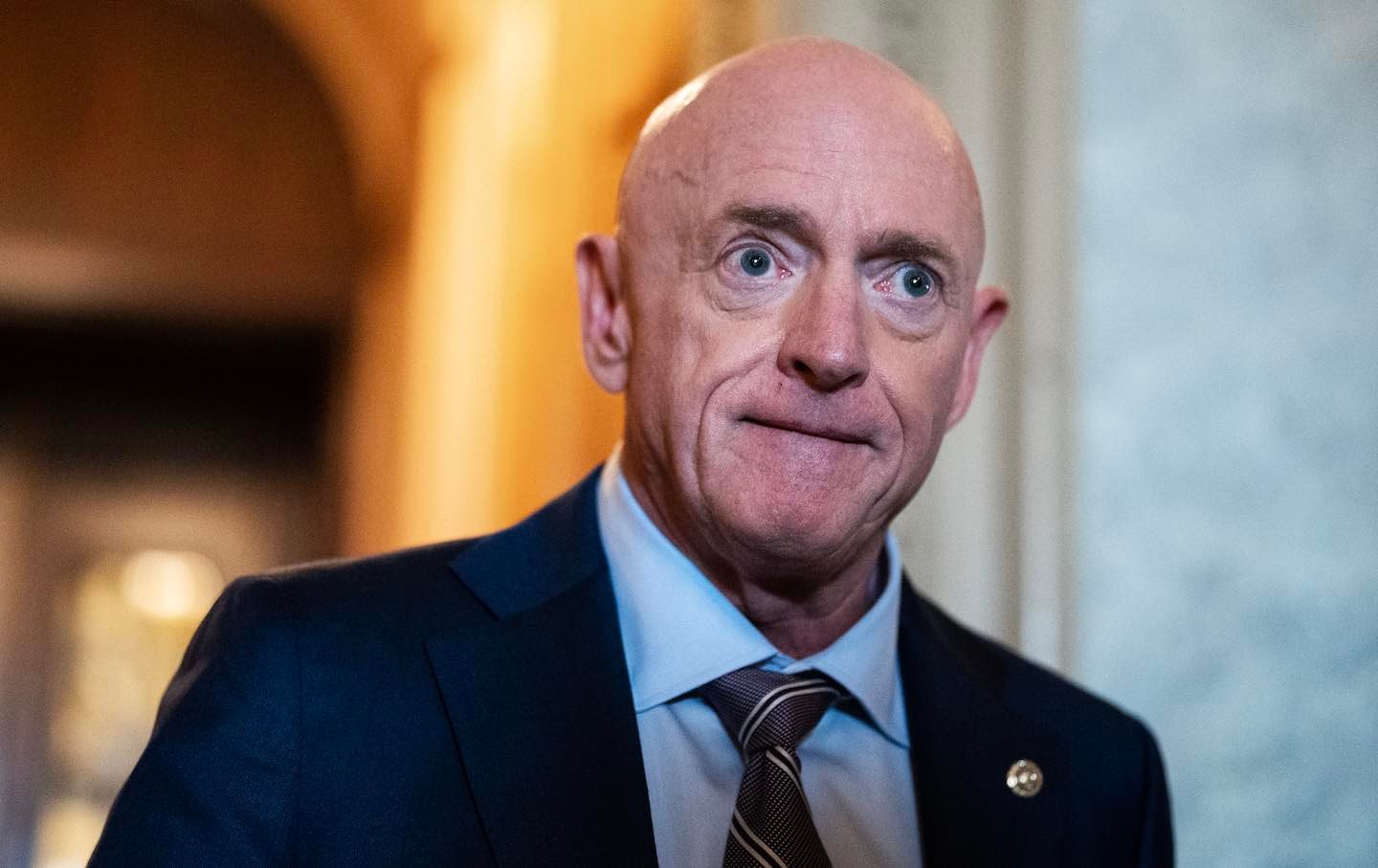
In a high-stakes constitutional showdown, U.S. District Judge Richard Leon voiced sharp skepticism on Tuesday regarding the Pentagon’s legal authority to censure Sen. Mark Kelly (D-AZ). The case centers on whether the military can punish a retired officer for political speech made while serving as a sitting U.S. Senator.
Judge Leon, a George W. Bush appointee, noted that the government’s attempt to apply military discipline to Kelly’s public statements as a legislator appeared to be a significant “stretch” without Supreme Court precedent.
The Conflict: Military Law vs. Congressional Speech
The controversy began in November 2025, when Sen. Kelly—a retired Navy Captain—appeared in a 90-second video with five other Democratic veterans. In the clip, the group urged U.S. troops to uphold the Constitution and “refuse illegal orders” from the Trump administration.+1
In response, Defense Secretary Pete Hegseth issued a formal letter of censure to Kelly on January 5, 2026. Hegseth argued that as a military retiree, Kelly remains subject to the Uniform Code of Military Justice (UCMJ) and that his comments “undermine good order and military discipline.”+1
The Pentagon’s Argument
- Jurisdiction: DOJ attorney John Bailey argued that retirees are “part of the armed forces” and never truly separate from the service.
- Recall Authority: The Pentagon cites a federal law allowing the Defense Secretary to recall retirees to active duty for punishment or court-martial.
- The Target: Hegseth clarified that Kelly was the only lawmaker investigated because he is the only one who formally retired (earning a pension), whereas the others merely completed their service terms.
Kelly’s Defense
- First Amendment: Kelly’s lawyers argue that military retirees do not have “diminished speech rights,” especially when speaking as elected officials.
- Speech and Debate Clause: The defense contends that Kelly’s statements were made in his capacity as a Senator, which provides constitutional immunity from executive branch interference.
- Retaliation: Kelly has labeled the move a “campaign of vengeance” after President Trump accused the lawmakers of “seditious behavior” on social media.
The “Chilling Effect”
Judge Leon expressed deep concern that allowing the Pentagon to penalize Kelly could silence thousands of other military retirees.
“You’re asking me to do something the Supreme Court has never done,” Leon told the government. “Isn’t that a bit of a stretch?”
The judge further noted that such an expansive view of military jurisdiction could prevent veterans in public life from participating in robust political debate for fear of losing their hard-earned rank or pensions.
Potential Consequences
If the censure stands, it could lead to a “Retirement Grade Determination” proceeding. This could result in:
- Rank Demotion: Stripping Kelly of his title as a retired Navy Captain.
- Pension Reduction: A subsequent slash in his monthly retirement pay.
- Criminal Prosecution: Hegseth’s letter mentioned the possibility of “further administrative or criminal action” under the UCMJ.
What’s Next?
Judge Leon did not issue a final ruling but indicated he hopes to provide a decision by Wednesday, February 11, 2026. The outcome will likely set a major precedent for the millions of retired service members currently living as private citizens or serving in public office.