 By Trendsetter Tribune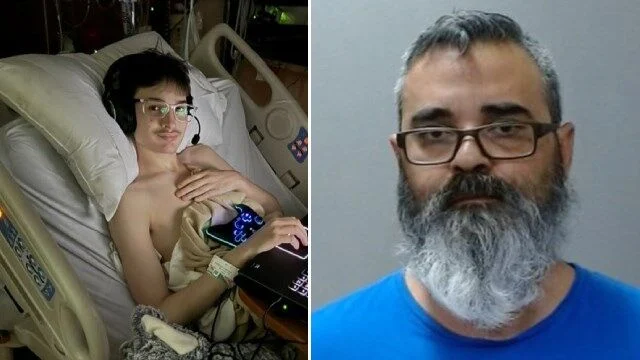
A Kansas man who shot and permanently paralyzed an 18-year-old high school senior during a harmless water gun game will spend years in prison, bringing a measure of accountability to a case that shocked the local community and reignited debate over gun use, self-defense claims, and public panic.
The shooting, which occurred in a Walmart parking lot in 2024, stemmed from a misunderstanding during a popular senior tradition known as “assassins.” What began as a game ended with a teenager fighting for his life — and a father now facing the consequences of a split-second, irreversible decision.
Background / Context
The victim, Anakin Zehring, was an 18-year-old high school senior in the spring of 2024. Like many seniors across the country, Zehring and his classmates were participating in a game commonly called “senior assassin” — a social game in which players are assigned secret targets and “eliminate” them using water guns or toy blasters.
The game, while informal and unsanctioned by schools, is widely known and typically involves playful ambushes in public places. However, in recent years, similar games have increasingly raised safety concerns, especially in a country where toy guns can be mistaken for real weapons.
The shooter, Ruben Contreras, was 49 years old at the time and the father of one of the teens targeted in the game.
What Happened
On May 11, 2024, around 4:45 p.m., Zehring and two friends drove to a Walmart on West Kellogg Drive in Goddard, Kansas, in a blue Chevrolet Spark. Their goal was simple: tag another player in the senior assassin game.
As Contreras’ daughter and her boyfriend walked toward the store to buy supplies for a graduation party, Zehring’s car pulled up near them. According to court records, the teens shouted phrases such as “I’m your senior assassin” and fired a gel blaster, a toy gun that shoots small water-filled polymer beads.
The couple later told police they did not recognize the teens and were startled by the encounter. After being hit by the gel beads, they went inside the Walmart to get away.
Shortly afterward, the boyfriend exited the store to confront the teens. According to his account, one of the teens insulted him and suggested they meet behind the store. Walmart employees intervened and ordered Zehring and his friends to leave.
The teens briefly went to a nearby Dairy Queen before returning to their car about five minutes later.
Meanwhile, Contreras’ daughter had called her father, telling him she had been shot with what she described as a gun. Contreras arrived at the Walmart and waited in his vehicle.
As Zehring began driving out of the parking lot, he and his friends noticed a man sprinting toward their car. Believing the man was simply crossing the lot, Zehring slowed down.
Instead, Contreras reached the vehicle, pulled a Smith & Wesson 9mm handgun from his waistband, and fired a single shot through the rear window.
The bullet struck Zehring in the kidney and liver.
The car continued rolling and crashed into nearby shipping containers. Zehring screamed that he could not move. His two friends fled into a nearby field.
Emergency responders rushed Zehring to the hospital. Police detained Contreras at the scene, still armed.
A witness later told investigators that after hearing the gunshot, he asked Contreras what had happened. Contreras reportedly responded, “They shot my daughter.”
The Legal Case
Contreras was arrested and charged with attempted murder and aggravated battery.
In November 2025, a jury acquitted him of attempted murder but convicted him of aggravated battery — a felony that reflects intentional, unlawful harm without the specific intent to kill.
This week, a judge sentenced Contreras to just over three and a half years in prison.
The sentence reflects the jury’s finding that while Contreras may not have intended to kill Zehring, his decision to fire a real gun into a moving car was unjustified and criminal.
Analysis — Where the Case Draws the Line
This case sits at the intersection of fear, firearms, and responsibility.
A misunderstanding with permanent consequences
There is no evidence Zehring or his friends were armed with anything other than a toy gel blaster. Yet a game meant to celebrate the end of high school was interpreted as a violent threat — with catastrophic results.
The law ultimately rejected the notion that Contreras acted in lawful self-defense. Shooting into a car as it drives away, particularly when no deadly threat exists, falls far outside legal justification.
The danger of “good intentions”
Contreras’ defense centered on protecting his daughter. But the verdict reinforces a critical legal principle: fear alone does not justify lethal force.
Even when emotions are high, individuals are expected to assess threats reasonably. The jury’s decision makes clear that acting on incomplete information — especially with a firearm — carries criminal liability.
A broader warning about guns and public spaces
This case highlights how quickly everyday situations can escalate when firearms are involved. Toy weapons, misunderstandings, and heightened fear create a volatile mix — one that has already led many police departments to warn against public “assassin” games.
Impact on the Victim
The consequences for Anakin Zehring have been life-altering.
The bullet caused severe internal injuries and left him paralyzed. According to a GoFundMe created by his parents after the shooting, their son’s life “took a dramatic turn” that day, leaving the family facing emotional, physical, and financial challenges that will last indefinitely.
While Contreras will serve years in prison, Zehring will live with the effects of the shooting for the rest of his life.
Implications
For parents and communities
The case is a stark reminder of the risks associated with misunderstanding teenage behavior — and the importance of restraint, even in moments of fear involving one’s children.
For gun owners
The conviction reinforces that carrying a firearm comes with heightened responsibility. Pulling a trigger in public carries legal consequences that cannot be undone by claims of panic or parental instinct.
For schools and students
Senior traditions that involve mock weapons may now face increased scrutiny. While the game itself was not illegal, its role in triggering the chain of events will likely fuel calls for clearer guidelines or outright discouragement.
Conclusion
The sentencing of Ruben Contreras closes one chapter of a tragic case, but it cannot undo the damage done.
A moment of panic, fueled by incomplete information and access to a gun, turned a harmless high school game into a lifelong tragedy. The court’s decision sends a clear message: fear does not excuse violence, and the misuse of firearms — even in defense of loved ones — carries severe consequences.
For Anakin Zehring and his family, justice may bring accountability, but recovery remains a long and uncertain road.