 By Trendsetter Tribune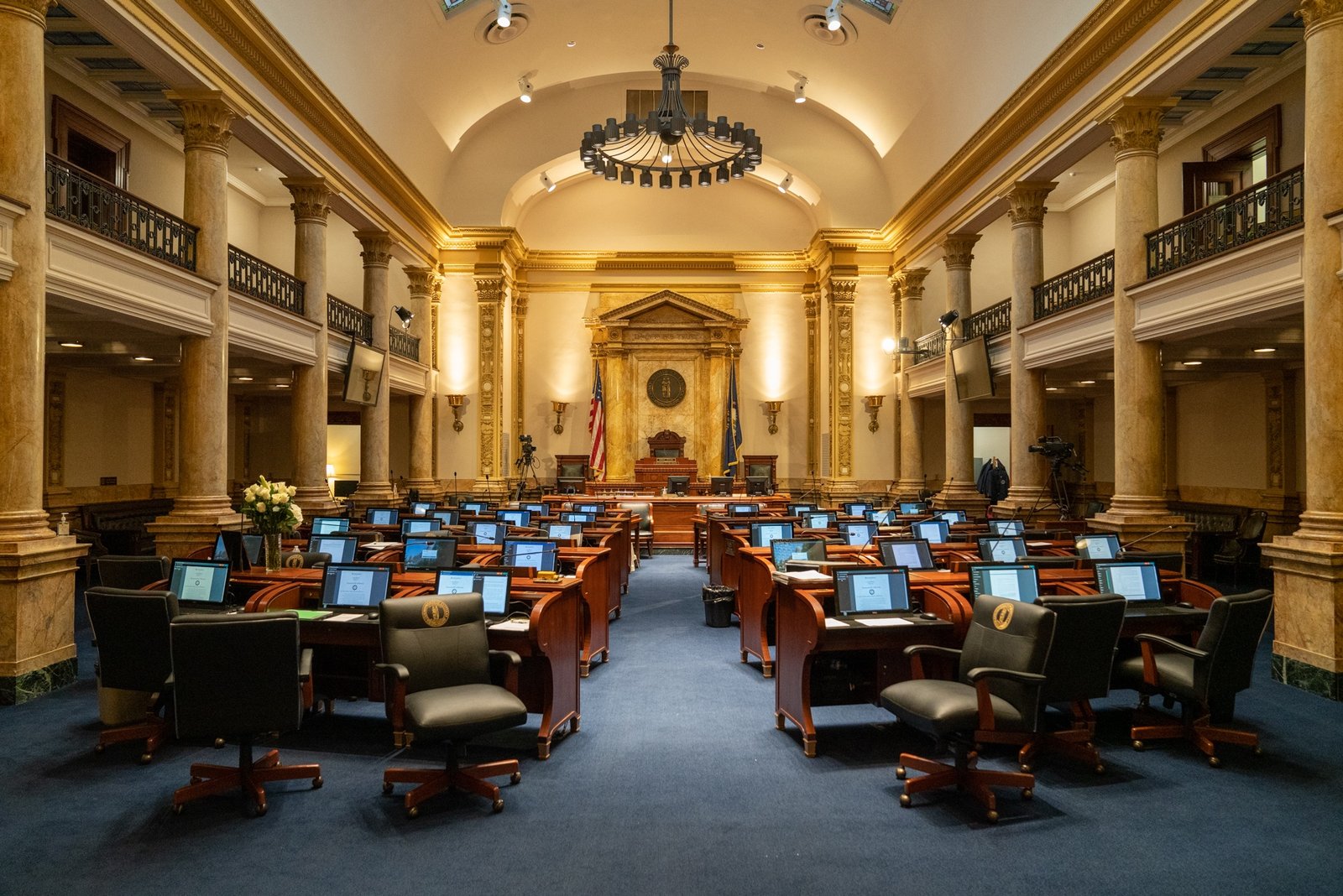
FRANKFORT, KY — The Kentucky Senate voted on party lines Thursday, February 19, 2026, to approve Senate Bill 104, also known as the “Halo Act.” The legislation would criminalize “harassing” or impeding first responders—including local police, firefighters, medics, and federal ICE agents—and establish a mandatory 25-foot buffer zone around them while they are performing their duties.
The bill, which passed 32-6 with all Democrats voting “no,” sparked a fierce debate over the balance between public safety and First Amendment rights.
“Comply, You Don’t Die”: The Debate
The most controversial moment of the floor debate came from Senator Phillip Wheeler (R-Pikeville), who defended the bill’s necessity in high-intensity situations.
“If you comply, you don’t die. If you don’t insert yourself into a situation with a law enforcement officer who is performing his duty that is already a highly intense situation, you’re gonna be just fine.” — Sen. Phillip Wheeler, Feb 19, 2026
The primary sponsor, Senator Matt Nunn (R-Sadieville), argued the bill is a common-sense measure to protect first responders from increasingly aggressive bystanders. He cited a recent interaction with an EMT who claimed colleagues face daily interference while trying to provide life-saving care.
Provisions of the “Halo Act” (SB 104)
The bill creates new legal penalties for those who interfere with first responders after being given a warning:
- The 25-Foot Buffer: It becomes a crime to “enter and remain” within 25 feet of a first responder engaged in their duties after being warned to stay back.
- Definition of Harassment: Intentionally engaging in conduct directed at a first responder that causes “substantial emotional distress” and serves “no legitimate purpose.”
- Escalating Penalties: * 1st–3rd Offenses: Misdemeanor charges.
- 4th Offense and Beyond: A Class D felony, punishable by 1 to 5 years in prison.
Critics: A Threat to “Cop Watching”
Senate Democrats and civil rights advocates blasted the bill, arguing it effectively outlaws the filming of police—a practice that has been crucial in uncovering instances of police misconduct.
| Critic | Concern |
| Sen. David Yates (D-Louisville) | Argued the bill is “vague” and could be used to arrest anyone observing an interaction from a sidewalk. |
| ACLU of Kentucky | Stated that existing laws already cover “obstruction of justice,” and this new bill serves only to “chill” free speech. |
| Legal Experts | Noted that the inclusion of ICE agents makes the bill part of a broader state-level push to support federal immigration crackdowns. |
National Context: The Minnesota Fallout
The timing of the bill’s passage coincides with heightened national tensions following a January incident in Minneapolis, where federal agents involved in a mass deportation surge fatally shot two American citizens. Proponents of SB 104 say the law prevents such escalations by keeping the public at a distance, while opponents say it removes the only form of public accountability (bystander video) during such high-stakes federal actions.