 By Trendsetter Tribune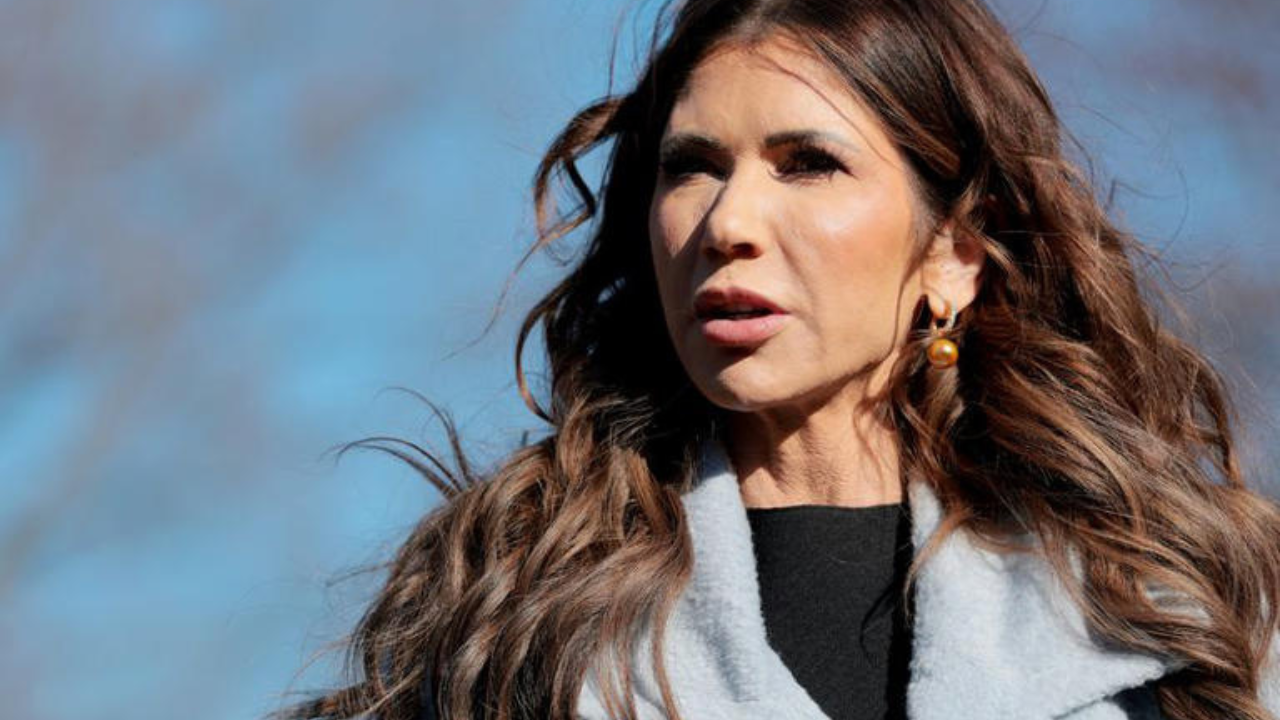
Homeland Security Secretary Kristi Noem said ICE agents may ask some U.S. citizens to verify their identity during enforcement actions, as unrest grows and Democrats push new limits on immigration enforcement.
Homeland Security Secretary Kristi Noem’s acknowledgment that Immigration and Customs Enforcement agents may ask some Americans to provide proof of citizenship has intensified debate over the scope of federal immigration enforcement, particularly amid deadly incidents and growing political backlash in Democratic-led states.
Noem’s Remarks on ICE Operations
Speaking to reporters, Noem said ICE conducts what she described as “targeted enforcement” operations, but noted that agents may question people who are present during arrests.
“If we are on a target, there may be individuals surrounding that criminal that we may be asking who they are and why they’re there and having them validate their identity,” Noem said when asked about reports of U.S. citizens being questioned during ICE raids.
Her comments come amid weeks of unrest in Minneapolis, where multiple encounters involving ICE agents have drawn national attention and protests.
Incidents Fueling Unrest
Tensions escalated after several high-profile enforcement actions. On Wednesday, a Venezuelan immigrant was shot in the leg while being pursued by ICE agents. The previous week, 37-year-old Renee Good, a mother of three, was fatally shot by an ICE official who said she attempted to strike him with her vehicle.
Those incidents have sparked demonstrations, legal challenges, and renewed scrutiny of federal immigration tactics.
Clash With Trump’s Deportation Pledge
Noem’s remarks appear to contrast with President Donald Trump’s pledge to focus deportations on “violent criminals” who are in the United States illegally.
Since the start of Trump’s second term, the administration has overseen deportations involving individuals without criminal records, including teenage students, parents, and municipal workers. Critics argue the enforcement scope has expanded well beyond violent offenders, while supporters say broader actions are necessary to uphold immigration law.
Democratic States Move to Curb ICE Authority
In response, Democratic lawmakers across the country are advancing proposals aimed at increasing oversight of federal immigration officers.
In New York, Gov. Kathy Hochul has proposed legislation that would allow individuals to sue federal agents for alleged violations of constitutional rights. Other measures would restrict immigration enforcement actions at schools, hospitals, and places of worship unless agents have judicial warrants.
Oregon Democrats plan to introduce a bill allowing residents to sue federal agents for violations of Fourth Amendment protections against unlawful search and seizure.
Legislative Action Across States
In New Jersey, the Democrat-controlled legislature passed three bills long sought by immigrant rights advocates, including a measure barring state law enforcement from cooperating with federal immigration enforcement. Gov. Phil Murphy has until his final day in office to sign or veto the bills.
California lawmakers are advancing proposals to prohibit state and local officers from holding second jobs with the Department of Homeland Security and to penalize what they describe as “indiscriminate” ICE arrests near court proceedings. Additional measures remain under consideration.
Political Divide Sharpens
Republicans have pushed back strongly against the proposals, accusing Democratic leaders of undermining immigration enforcement and blaming protesters for interfering with federal operations.
Democrats counter that the legislation is necessary to ensure accountability. “Where you have government actions with no accountability, that is not true democracy,” said California state Sen. Scott Wiener during a news conference.
What Comes Next
As protests continue and state legislatures advance competing approaches, the debate over immigration enforcement, civil liberties, and federal authority shows little sign of easing. Noem’s remarks have underscored how enforcement practices may directly affect U.S. citizens, further fueling an already volatile national discussion.