 By Trendsetter Tribune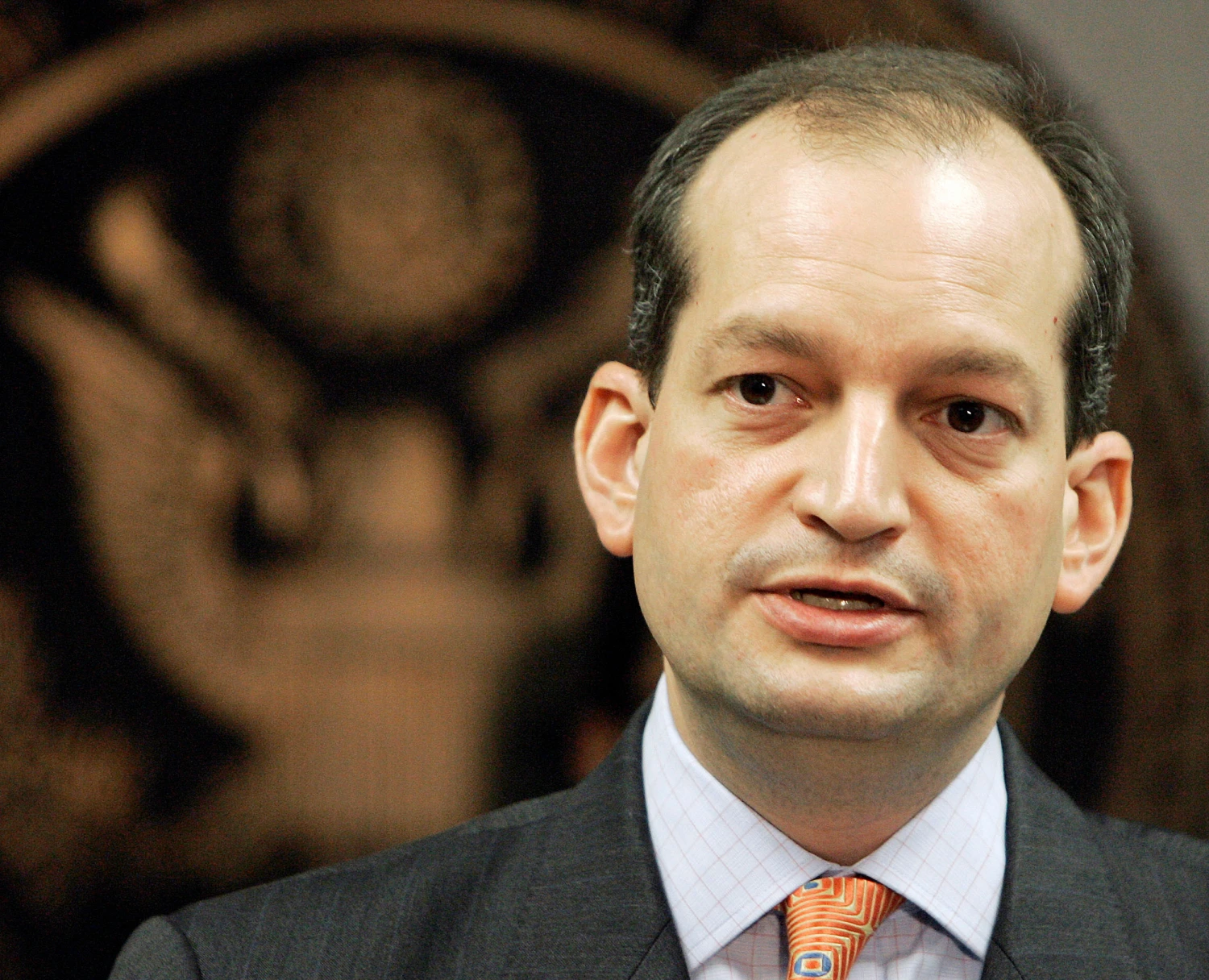
A lawyer representing Jeffrey Epstein survivors says prosecutors must release internal documents and explain why Epstein avoided a major federal indictment.
One of the attorneys representing survivors of Jeffrey Epstein’s trafficking network says investigators should place far more attention on former U.S. Attorney Alex Acosta — the federal prosecutor who helped negotiate Epstein’s controversial plea deal before later becoming labor secretary under President Donald Trump.
Jack Scarola, who represents several Epstein survivors, told CNN that key names provided by victims still have not been released in Justice Department documents. He pointed to federal records dating back nearly twenty years that he believes could explain how Epstein escaped a serious federal case.
Scarola said federal prosecutors in the Southern District of Florida drafted a 60-count indictment in 2007 outlining Epstein’s sexual abuse of minors. According to Scarola, the indictment was backed by an 82-page prosecution memo detailing evidence gathered by investigators.
Had that indictment gone forward, Scarola argued, Epstein almost certainly would have been convicted — ending years of abuse that continued afterward.
Instead, Epstein pleaded guilty to lesser state charges in Florida and served only 13 months. Much of that time was spent on “work release,” where he was permitted to leave jail for hours each day to work at an organization he created. Scarola said it is alleged Epstein’s abusive behavior continued during that period.
The lawyer said transparency is now essential.
He called for the release of the original indictment draft, the prosecution memo, and — most importantly — internal Justice Department communications explaining why the federal case was dropped.
Scarola specifically highlighted Alex Acosta, saying Acosta communicated directly with Epstein’s defense team under “very unusual circumstances.” He insisted those exchanges should appear in the files through memos and email correspondence.
“There is no basis for failing to release those kinds of documents,” Scarola said.
Acosta later testified before Congress about the Epstein case as lawmakers questioned who failed to hold Epstein fully accountable. Members of the House Oversight and Reform Committee said they wanted to determine whether responsibility rested with federal prosecutors, the FBI, local authorities, or the Justice Department itself.
For Epstein’s survivors, Scarola said, the demand is simple: answers, accountability, and transparency — including every document that explains how a powerful predator avoided the federal prosecution he once faced.