 By Trendsetter Tribune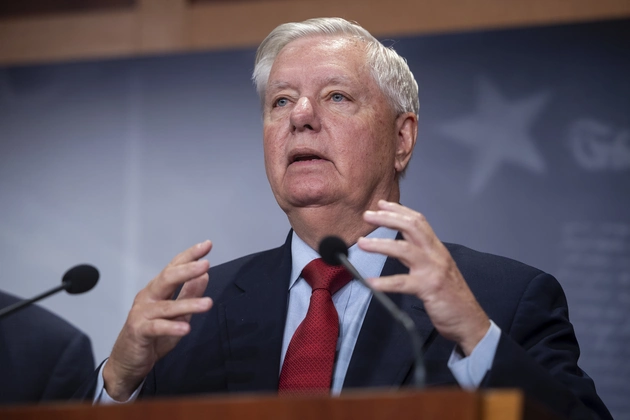
Sen. Lindsey Graham issued a stark threat to Cuba after President Trump warned the island nation to “make a deal” or face consequences—echoing rhetoric used just weeks before the U.S. attack on Venezuela.
Sen. Lindsey Graham (R-SC) delivered an ominous warning to Cuba on Sunday, language that critics say closely mirrors the rhetoric used in the final weeks before the United States launched its stunning military operation against Venezuela.
The threat came just moments after President Donald Trump issued his own warning to the Caribbean nation, demanding that Cuba “make a deal” favorable to the United States—and soon—before it’s “too late.”
Graham wasted no time amplifying the message. Sharing Trump’s post, the South Carolina senator added his own blunt advice to Cuba’s leadership.
“My advice to the commies running Cuba and oppressing its people: Call [Venezuelan President Nicholas] Maduro and ask him what to do… If you can get through, that is,” Graham wrote on X. “If I were you, I’d be looking for a new place to live.”
Echoes of Venezuela
The warning immediately raised alarms among foreign policy observers, who noted its striking similarity to the language Trump and Graham used against Venezuela just weeks before the U.S. attack and subsequent takeover of the South American nation.
In late November, Trump publicly urged Maduro to flee the country, a message delivered roughly one month before U.S. forces kidnapped and extradited the Venezuelan leader to New York on drug trafficking and weapons charges.
Two weeks before the attack, Trump escalated further, declaring that Maduro’s “days are numbered.”
Graham echoed those sentiments at the time, openly calling for regime change in Venezuela and saying he wanted Maduro “to go.” The pattern, critics argue, is now repeating itself—with Cuba as the next target.
Trump’s Escalating Pressure
Trump’s Sunday post demanding Cuba “make a deal” has fueled speculation that the administration is laying the groundwork for a dramatic escalation. While no formal military plans have been announced, the language marks one of the most aggressive public threats toward Cuba in decades.
National security analysts warn that such rhetoric is rarely accidental. “This is how pressure campaigns begin,” one former diplomat said. “Public threats, dehumanizing language, and a narrative that intervention is inevitable.”
A Longstanding Obsession
The United States has sought to topple Cuba’s government since the 1959 revolution, when Fidel Castro overthrew U.S.-backed dictator Fulgencio Batista. Batista’s regime had allowed American corporations to dominate Cuba’s economy, exploiting labor and resources while propping up a corrupt elite.
Following the revolution, Cuba nationalized land and property owned by elites, foreigners, and Batista allies—offering compensation in the form of bonds. That rupture triggered decades of hostility, sanctions, covert operations, and failed attempts at regime change.
More than six decades later, some Republicans appear eager to finish what previous administrations could not.
GOP Cheers the Prospect
Among those openly celebrating the possibility of toppling Cuba’s government is Rep. Carlos Giménez (R-FL), who shared an image on social media depicting Cuba plastered with logos of American corporations such as McDonald’s, Exxon Mobil, and Walmart.
Giménez, who was born in Cuba, comes from a family of wealthy landowners who fled the island after the revolution. His parents lost property during the post-1959 seizures—part of a broader dismantling of the old elite class.
To critics, the image symbolized not liberation but corporate conquest, reinforcing fears that regime change would open Cuba to U.S. corporate exploitation once again.
Graham’s Hawkish Record
Lindsey Graham’s warning to Cuba is consistent with a long record of aggressively advocating U.S. military intervention abroad. Over the years, he has supported or called for military action against Iran, North Korea, Iraq, Syria, Libya, Venezuela, Mexico, and others—often repeatedly.
Human rights groups and anti-war advocates argue that Graham’s influence has helped normalize the idea of constant U.S. intervention, regardless of civilian cost or long-term instability.
“Every time the language escalates like this, people die,” said one foreign policy analyst. “We’ve seen this movie before.”
What Comes Next
While no formal action has been announced, the coordinated messaging from Trump and Graham has intensified fears that Cuba may soon face crippling sanctions, covert operations, or even direct military confrontation.
The administration’s defenders argue that pressure is necessary to confront authoritarianism and human rights abuses. Critics counter that such actions historically devastate civilians while entrenching instability and resentment.
Conclusion
Lindsey Graham’s warning to Cuba—paired with Trump’s demand to “make a deal” before it’s “too late”—has reignited fears of yet another U.S.-led regime change operation. The language, timing, and political coordination mirror the playbook used against Venezuela just weeks before its collapse.
Whether this is brinkmanship or a genuine prelude to action remains to be seen. But for many watching closely, the message is unmistakable: Cuba may be next.
My advice to the commies running Cuba and oppressing its people: Call Maduro and ask him what to do…If you can get through, that is.
— Lindsey Graham (@LindseyGrahamSC) January 11, 2026
If I were you, I’d be looking for a new place to live. pic.twitter.com/i4U50O5DV8